


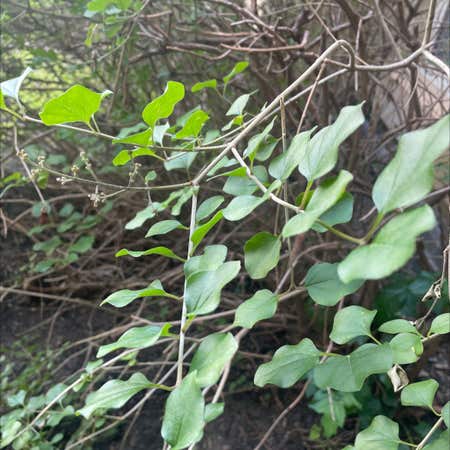


Bloomerang Purpink® Reblooming Lilac
Taxonomy

Syringa pubescens
Syringa
Oleaceae
Lamiales

How to care for Bloomerang Purpink® Reblooming Lilac
How often to water your Bloomerang Purpink® Reblooming Lilac

every 9
Bloomerang Purpink® Reblooming Lilac needs 0.5 cups of water every 9 when it doesn’t get direct sunlight and is potted in a 5" pot.
Use our water calculator to personalize watering recommendations to your environment or download Greg for more advanced recommendations for all of your plants.

Water 0.5 cups every
9
Finding light for Bloomerang Purpink® Reblooming Lilac in your home

a window
Bloomerang Purpink® Reblooming Lilac love being close to bright, sunny windows 😎.
Place it less than 1ft from a south-facing window to maximize the potential for growth.
Bloomerang Purpink® Reblooming Lilac does not tolerate low-light 🚫.
Select your region to see how the current weather in your area affects the placement of Bloomerang Purpink® Reblooming Lilac in your home 🏡.
How to fertilize Bloomerang Purpink® Reblooming Lilac

Most potting soils come with ample nutrients which plants use to produce new growth.
By the time your plant has depleted the nutrients in its soil it’s likely grown enough to need a larger pot anyway.
To replenish this plant's nutrients, repot your Bloomerang Purpink® Reblooming Lilac after it doubles in size or once a year—whichever comes first.
-
Last year my potted lilac leaves curled. Its now starting this year. Its 4 years old in a planter on my patio in direct sun. It gets afternoon sun. #Lilac
-
Alright y’all here’s the product and here’s the vision 🌿✨ I’m trying to bring this little dream to life and I’m pretty excited about it. I can already picture it growing in and making the space feel even softer and greener 🌱💚 If anyone has tips tricks or things you’ve learned from doing something similar I’m absolutely open to absorbing all the plant wisdom 🪴😊 Ive planted the ranunculus bulbs and now, we wait! Just out here trying to make my home a little more alive every day 🌸🌞 #PlantProject #GrowingTheVision #lilacranunculous #cottagecore #GreenGoals #FutureBloom #PlantPlans #HomeJungleEnergy #GregCommunity #PlantPeopleUnite #ManyTexturedUniverse #SoftAndRooted #WildflowerWoman #BloomingInMyWay #WarmAndGrowing #TeachMeYourPlantWays #PlantTipsWelcome #LearningAsIGrow #PlantWisdomPlease #GreenSpaces #CozyCorners #GrowWithMe #LittleHomeEcosystem
-
My leaves are crispy brown on the edges of about half of the leaves. Planted about 2 weeks ago.
-
My lilac is an established 30 year old plant. Should I follow the watering recommendation in my schedule? Just added her to my account. #Lilac
-
I have a lilac shrub in plastic container and some of the leaves ve turne yellow do I pull them off #Lilac
-
Miss Kim lilac, planted about a month ago from the greenhouse. Seemed to be doing okay, now leaves are curling up and getting darker. Has been watered faithfully and soil is fertilized. Seems like it's going downhill. Any recommendations?
-
When and how should I prime my lilac bush so it blooms more? #Lilac
-
Team, I’ve used a grow light and water but it’s not helping - any help!? #JapaneseTreeLilac


Care Summary for Bloomerang Purpink® Reblooming Lilac

Bloomerang Purpink® Reblooming Lilac
 Greg recommends:
 Water
Water
0.5 cups every 9 days
 Placement
< 1ft from a window
 Nutrients
Repot after 2x growth
Based on the 4” pot your plant is in, and that it doesn’t get direct sunlight.
 Trending in your area














 Similar to Bloomerang Purpink® Reblooming Lilac


✨ Discover rare plants

Begonia lubbersii

Christmas Candle

Carolina Reaper

Scindapsus pictus 'Si…

Orange Lipstick Plant

Kudu Lily

Pseudorphipsalis 'Blu…

Variegated Arrowhead …

Tuber Fleeceflower

Hoya sipitangensis

Anthurium papillilami…

Kilimanjaro Plant

Eden Climbing Rose
Philodendron 'Gabby'
Phalaenopsis schiller…
Philodendron 'Rio'

Crassula 'Calico Kitt…
