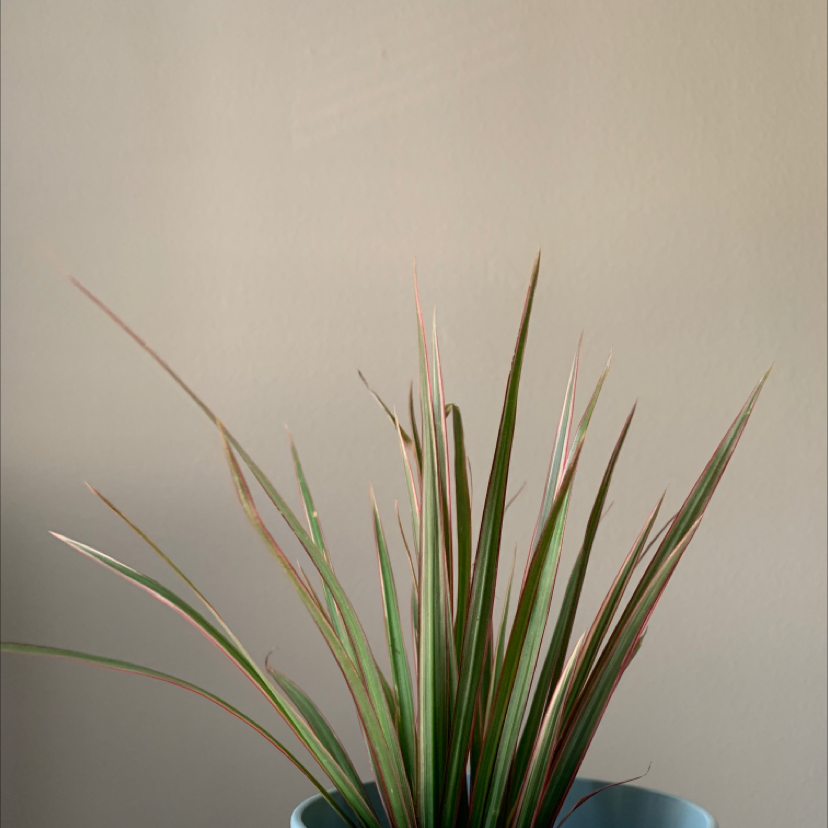
Dracaena marginata 'Bicolor'

Best Soil for Dracaena marginata 'Bicolor'

Dracaena reflexa var. angustifolia 'Bicolor'
Reviewed by Kiersten Rankel M.S.
Quick Answer
Dracaena marginata 'Bicolor' needs a light, well-draining potting mix that doesn't stay wet for long. A standard indoor potting mix with added perlite keeps roots aerated and prevents rot. It prefers a slightly acidic pH in the 6.0 to 7.0 range.

What Kind of Soil Does Dracaena Bicolor Need?

Dracaena marginata 'Bicolor' is a tropical tree from the Indian Ocean island region, adapted to loose, well-drained soils with good airflow around the roots. Indoors, it needs a mix that stays on the drier side between waterings and allows excess moisture to escape quickly.

Stays wet
Damp
Waterlogged wet & suffocating
Damp & Airy moisture + oxygen
Compacted dense & dry
Gritty & Fast drains in seconds
Dracaena marginata 'Bicolor'
Regular Potting Soil
Airy
Dries quickly

Dracaena bicolor has semi-woody stems and a somewhat sparse root system that is prone to rot when kept in dense, soggy soil. Standard potting mix on its own often holds more moisture than this plant needs, especially in lower-light indoor settings where evaporation is slow.

Adding perlite to a quality potting mix is the easiest upgrade. It opens up the texture, speeds drainage, and creates air pockets around the roots. Some growers also add a small amount of coarse sand to help with drainage without reducing nutrient availability.

Avoid mixes that contain a lot of moisture-retaining gels or heavy peat. While those additives help moisture-loving plants, they can tip the balance toward too wet for dracaena in an indoor environment.

What Soil Mix Should I Use for Dracaena Bicolor?

Recommended Mix
Potting mix 60%
Perlite 30%
Coarse sand 10%
Stay on top of plant care
Get seasonal reminders for watering and fertilizing โ€” personalized for your plants.
Try Greg Free

What pH Does Dracaena Bicolor Need?

Dracaena marginata 'Bicolor' prefers a slightly acidic to neutral soil pH between 6.0 and 7.0. This is the range where the nutrients it needs, especially iron and manganese, are most available. Check your mix with a basic pH meter or soil test strips from a garden center.

When pH climbs above 7.5, dracaena often shows yellowing between the leaf veins, a sign of iron or manganese deficiency caused by nutrient lockout. If pH drops below 5.5, the plant may experience stunted growth and browning leaf tips, even with good watering habits.

Ideal pH Range
Ideal range 6.0โ€“7.0
Tolerable range 5.5โ€“7.5
To lower pH Mix in peat moss or sulfur
To raise pH Add a small amount of garden lime

When Should I Replace My Dracaena Bicolor's Soil?

Plan to refresh or replace the potting mix every 2 years. Over time, organic matter in the mix breaks down into finer particles that compact together and reduce drainage. When this happens, the mix no longer dries out at the rate dracaena prefers.

Dracaena is not a fast grower, so you may not need to move it to a larger pot very often. Even if the pot size is still right, refreshing the soil every couple of years keeps drainage and nutrient availability in good shape.

Signs Your Soil Needs Replacing
Water drains slowly or pools on the surface
Soil feels dense and hard when dry
Leaf tips turning brown despite regular watering
Growth has nearly stopped over two or more growing seasons
Roots visible above the soil surface or from drainage holes

How Do I Amend Garden Soil for a Dracaena Bicolor?

Dracaena Bicolor has a compact root system that prefers loose, airy soil with reliable drainage. These roots are prone to rot when left in wet, compacted ground.

If you are planting outdoors in a warm climate, amend clay soil with compost and bark chips to create a lighter texture that lets water pass through. Sandy soil works well for this plant but benefits from a moderate amount of compost to hold just enough moisture. A spot with bright indirect light or filtered sun will keep the distinctive striped foliage looking its best.


Got More Questions?

Can I use regular potting soil for dracaena bicolor?
Yes, but add about 30% perlite to improve drainage. Standard potting mix alone tends to stay wet too long, which can lead to root rot.
Do I need to sterilize soil before potting my dracaena?
No, sterilization is not necessary. Fresh potting mix from a bag is fine. Just make sure your pot has drainage holes.
Why are the tips of my dracaena's leaves turning brown?
Brown tips are often caused by fluoride in tap water, low humidity, or compacted soil that is no longer draining well. Try watering with filtered water and check if the soil is still loose and draining freely.
How often should I repot dracaena bicolor?
Every 2 to 3 years is usually enough. Move up only one pot size at a time, and use the repot as an opportunity to refresh the soil mix.
Stay on top of plant care
Get seasonal reminders for watering and fertilizing โ€” personalized for your plants.
Try Greg Free

About This Article

Kiersten Rankel M.S.
Botanical Data Lead at Greg ยท Plant Scientist
About the Author
Kiersten Rankel holds an M.S. in Ecology & Evolutionary Biology from Tulane University. A certified Louisiana Master Naturalist, she has over a decade of experience in science communication, with research spanning corals, cypress trees, marsh grasses, and more. At Greg, she curates species data and verifies care recommendations against botanical research.
See Kiersten Rankel's full background on LinkedIn.
Editorial Process
Soil recommendations verified against Dracaena reflexa var. angustifolia 'Bicolor' growth data from Greg's botanical database, cross-referenced with USDA hardiness zone data and published horticultural research.
288+ Greg users growing this plant
USDA hardiness zones 10aโ€“12b