


Jewelweed
About Jewelweed
Jewelweed is a super rare houseplant 🌿 that needs regular watering to thrive. They do best in long-lasting, direct light ☀️ and should be less than 1 foot from a window.
Jewelweed likes soil that is well draining. Your plant shouldn't need added fertilizers if you repot each time it doubles in size.
Jewelweed belongs to the Impatiens genus, and is native to North America.
Taxonomy

Impatiens pallida
Impatiens
Balsaminaceae
Ericales
Also known as
pale snapweed, pale touch-me-not, yellow touch-me-not and pale jewelweed

How to care for Jewelweed
How often to water your Jewelweed

every 9
Jewelweed needs 0.5 cups of water every 9 when it doesn’t get direct sunlight and is potted in a 5" pot.
Use our water calculator to personalize watering recommendations to your environment or download Greg for more advanced recommendations for all of your plants.

Water 0.5 cups every
9
Finding light for Jewelweed in your home

a window
Jewelweed love being close to bright, sunny windows 😎.
Place it less than 1ft from a south-facing window to maximize the potential for growth.
Jewelweed does not tolerate low-light 🚫.
Select your region to see how the current weather in your area affects the placement of Jewelweed in your home 🏡.
How to fertilize Jewelweed

Most potting soils come with ample nutrients which plants use to produce new growth.
By the time your plant has depleted the nutrients in its soil it’s likely grown enough to need a larger pot anyway.
To replenish this plant's nutrients, repot your Jewelweed after it doubles in size or once a year—whichever comes first.
-
#NewPlantMom #Impatiens My plant is still in the plastic container from the store. Should I repot it?
-
I just moved Sir Plancelot outdoors for the growing season. My question is do I fertilize while he’s flowering ot fertilize more because it is early growing season? #Impatiens
-
Why are my leaves whitening #Impatiens
-
What's up with my plant? #Impatiens I bought this plant at Kroger where it was displayed with plants I know are full sun plants. I put on the bottom shelf of an ESE facing plant stand (with two shelves above it and a shade tree in front but it still gets some sun. A few hours after I got it, it was completely wilted - and not from lack of water. It's still wet enough two days after being moved to the shade of our porch. What am I doing wrong? Thanks!
-
Impatiens problems Hey lovely Greggers 👋 I was hoping some of our group have had and dealt with this issue I'm having (again) with my #impatiens Niamniamensis 😭 She was growing so healthy and happy until early summer, when my jungle got blitzed by bloody thrips... The damage on her leaves isn't typical of thrip damage to my eyes, but it started at the same time. She lost just about every leaf she had (new ones were growing in tightly spiralled and curled and would drop before maturing). I dealt with the original infestation... And she recovered! 🥳💚 But now the same thing is happening again 😭 is this thrips? Or an Impatiens reaction to thrips? (They are particularly sensitive from what I've read). I'm treating her with neem and she's in isolation. I hope you can see the almost translucent wee dots on her leaves? And the curly new growth. They almost look wet, but they're not, just little translucent dots or spots... No thrip poop to be seen. Any advice you can collectively give me would be so appreciated!! 🙏🥰 Thank you! Xx #greggang #theamigos #brunchataudreys #help #planttherapy #plantaddict #plantmafia
-
What are they I can’t find them in the plant list. The 1st one is suppose to be Hawaiian impatiens and the other Joseph’s coat choco-chili #HappyPlants #PlantsMakePeopleHappy #PlantAddict #PlantTherapy #Impatiens #JosephsCoat #help #PlantID
-
Help, not sure what my plant needs? #Impatiens
-
Recently got my hands in this plant, but she started drooping as soon as soon as I repotted her. i’m thinking maybe i left her in water for too long before repotting her and might’ve led root rot.. what do you guys think i should do?? #NewPlantMom #Impatiens
-
Hello all, Can I put the New Guinea Impatiens in the direct sun light outside? In the app it says it is okay, but now the flowers looks very sad in the sun. #Impatiens
-
Please help I’ve tried sunlight, shade, and plenty of water but it just keeps wilting. The sunpatiens haven’t responded to anything I’ve done. The gardenias and coleus on the other side are doing great. I’m not sure what I’m doing wrong! #Impatiens


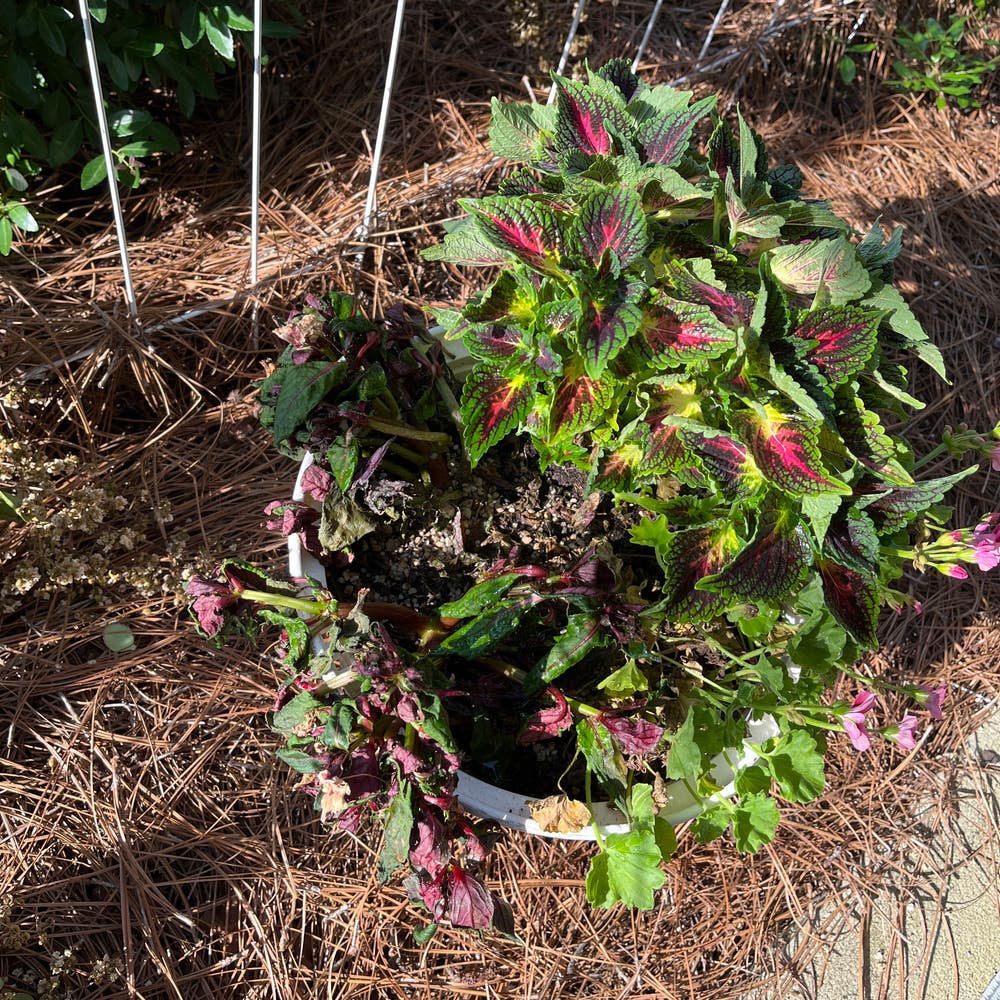
Care Summary for Jewelweed

Jewelweed
 Greg recommends:
 Water
Water
0.5 cups every 9 days
 Placement
< 1ft from a window
 Nutrients
Repot after 2x growth
Based on the 4” pot your plant is in, and that it doesn’t get direct sunlight.
 Trending in your area








 Similar to Jewelweed
✨ Discover rare plants

Eden Climbing Rose

Lithops
White Apple Moth Orch…

Red Mistletoe Cactus
Graptopetalum 'Marqui…

Stomatium acutifolium

Echeveria Arrow

Maroon Pitcher Plant

Echeveria Esther

Sarcochilus fitzgeral…

Treasure Flower

Peperomia 'Harmony's …
Carolina Reaper

Aglaonema 'Green Bowl'
Hoya 'Memoria'

Parrot Pitcher Plant

Caladium
