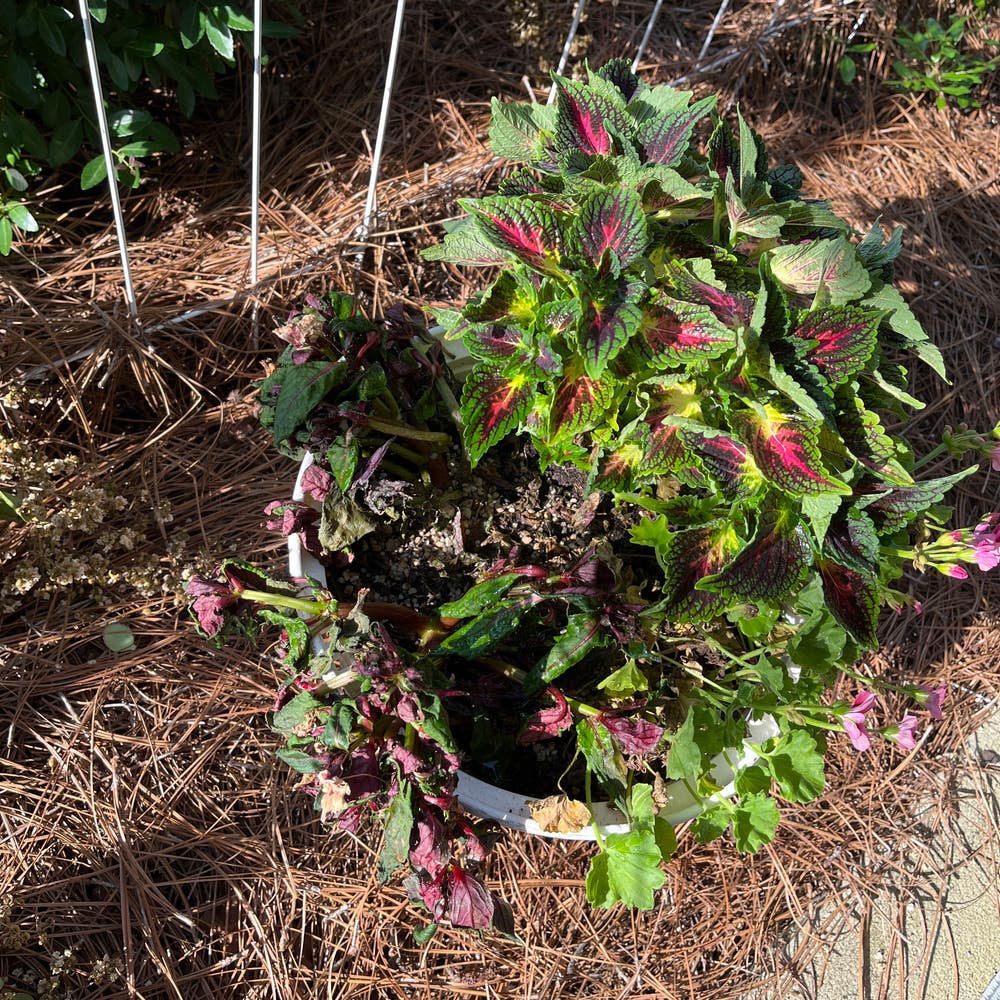
❄️ 10 Key Winter Strategies for Jewelweed
Impatiens pallida
By the Greg Editorial Team
Nov 25, 2024•4 min read
This article was created with the help of AI so we can cover more plants for you. May contain errors. See one? Report it here.
Ensure your Jewelweed thrives this winter with essential frost protection tips! ❄️🌱
- ❄️ Protect Jewelweed from frost using cloth or burlap before winter hits.
- 🌱 Mulch with straw or wood chips to insulate roots and retain warmth.
- 🌞 Position plants in sheltered areas to enhance frost protection and survival.
Frost Protection Strategies
Methods to Protect from Frost ❄️
Protecting your Jewelweed from frost is crucial for its survival. One effective method is covering the plants with frost cloth or burlap.
Timing is everything; make sure to cover your plants before the first frost is expected. Secure the covers well to prevent them from blowing away in the wind.
Another strategy involves using mulch to insulate the roots. Recommended materials include straw, wood chips, or shredded leaves.
Apply a 2-4 inch layer of mulch around the base of the plant to help retain warmth and moisture.
Importance of Microclimates 🌡️
Understanding microclimates in your garden can significantly enhance frost protection for your Jewelweed. Look for areas with natural windbreaks or south-facing slopes, as these spots tend to be warmer.
Utilizing structures like fences or walls can also create sheltered areas. Positioning your Jewelweed in these microclimates can provide an extra layer of frost protection, ensuring your plants thrive even in colder conditions.
By implementing these strategies, you can help your Jewelweed weather the winter months effectively. Next, let's explore how to adjust your watering and fertilizing practices during this chilly season.
Watering and Fertilizing Adjustments
🌨️ Adjusting Watering Schedules During Winter
During winter, it's crucial to adjust your watering routine for Jewelweed. Water only when the top inch of soil is dry to prevent root rot, which can be a common issue in colder months.
Keep a close eye on moisture levels, especially if your plants are in containers. Container plants can dry out faster, so regular checks will help maintain their health.
❄️ Fertilizing in Winter: What to Know
When it comes to fertilizing in winter, less is more. Avoid fertilizing during dormancy, as this can stimulate growth that won't survive the cold conditions.
Instead, prepare for spring fertilization by planning to use a balanced fertilizer once new growth appears. This will give your Jewelweed the boost it needs as it wakes up from its winter slumber.
With these watering and fertilizing adjustments, your Jewelweed will be well-prepared to thrive when spring arrives. Next, let’s explore how to care for your plants indoors during the winter months.
Indoor Winter Care
Transitioning Indoors for Winter 🌬️
Moving your Jewelweed indoors before the first frost is crucial for its survival. Timing is everything; aim to bring them inside when temperatures start to dip, ensuring they have a smooth transition to their new environment.
Choosing the right indoor location is equally important. Opt for a spot with bright, indirect light to keep your plants thriving, while steering clear of direct sunlight that can scorch their delicate leaves.
Indoor Care Tips 💧
Maintaining humidity levels is essential for indoor Jewelweed. Consider using a humidity tray or misting the leaves regularly to create a more favorable atmosphere.
Adjusting your watering practices is also key during winter. Water less frequently than in summer, allowing the soil to dry out slightly between waterings to prevent overwatering and root rot.
By following these indoor care tips, you’ll set your Jewelweed up for success during the colder months. As you prepare for spring, keep an eye on your plants to ensure they emerge healthy and ready to thrive.
Spring Preparation and Recovery
🌨️ Signs of Winter Damage
As winter fades, it's crucial to assess your Jewelweed for signs of damage. Look for wilting or yellowing leaves, broken stems, and stunted growth, which can indicate that your plants have struggled during the colder months.
Additionally, check the overall health of your plants. Root rot or other issues may have developed while they were dormant, so a thorough inspection is essential for a successful recovery.
🌱 Steps for Recovery and Preparation for Spring Growth
Once you've identified any damage, it's time to take action. Start by pruning away dead or damaged foliage; this encourages new growth and helps your Jewelweed thrive.
Next, consider fertilizing to support recovery. Applying a balanced fertilizer as new growth begins to emerge will provide the nutrients your plants need to bounce back.
Finally, keep an eye out for pests and diseases. Regular inspections as your plants wake from dormancy will help you catch any issues early, ensuring a healthy start to the growing season.
With these steps, your Jewelweed will be well on its way to a vibrant spring!
⚠️ Safety First
This content is for general information and may contain errors, omissions, or outdated details. It is not medical, veterinary advice, or an endorsement of therapeutic claims.
Always consult a qualified healthcare professional before using any plant as food, medicine, or supplement.
Never eat any plant (or feed one to pets) without confirming its identity with at least two trusted sources.
If you suspect poisoning, call Poison Control (800) 222-1222, the Pet Poison Helpline (800) 213-6680, or your local emergency service immediately.
Spotted an error? Please report it here.
Keep your Jewelweed thriving this winter ❄️ by using Greg's tailored reminders for frost protection and watering, ensuring a vibrant comeback in spring!