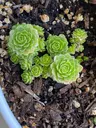
Chrysanthemum 'Ashley Red'
Taxonomy

Chrysanthemum 'Ashley Red'
Chrysanthemum
Asteraceae
Asterales

How to care for Chrysanthemum 'Ashley Red'
How often to water your Chrysanthemum 'Ashley Red'

every 9
Chrysanthemum 'Ashley Red' needs 0.5 cups of water every 9 when it doesn’t get direct sunlight and is potted in a 5" pot.
Use our water calculator to personalize watering recommendations to your environment or download Greg for more advanced recommendations for all of your plants.
Water 0.5 cups every
9
Finding light for Chrysanthemum 'Ashley Red' in your home

a window
Chrysanthemum 'Ashley Red' love being close to bright, sunny windows 😎.
Place it less than 1ft from a south-facing window to maximize the potential for growth.
Chrysanthemum 'Ashley Red' does not tolerate low-light 🚫.
Select your region to see how the current weather in your area affects the placement of Chrysanthemum 'Ashley Red' in your home 🏡.
How to fertilize Chrysanthemum 'Ashley Red'

Most potting soils come with ample nutrients which plants use to produce new growth.
By the time your plant has depleted the nutrients in its soil it’s likely grown enough to need a larger pot anyway.
To replenish this plant's nutrients, repot your Chrysanthemum 'Ashley Red' after it doubles in size or once a year—whichever comes first.
-
What's wrong with my plant? Help
-
Do I need to water if they are outside?
-
I’m a new planter and I love plants however I don’t have the most greenest thumb. I recently purchased these mums and placed them outside,so if they are outside do I still water them ? I live countryside and there is always dew and mist in the air. Do I still add water to Messi if they are outdoors????
-
My plant looks sick I’m not sure what type of chrysanthemum it is but it had purple white and yellow flowers but has not bloomed this year
-
Is it dead? I’ve had my chrysanthemums outside because they seemed to enjoy full sun. But now it looks like they’re burnt. Is it dead? Should I move to the shade? Will it bounce back? #OutdoorGrowing #HappyPlants #PlantsMakePeopleHappy #FloweringPlants
-
Hey everybody! Just wondering how often you water your mums? I have 2 and they both get direct sunlight. The one on the front porch from sunrise until about 10am and the one in the back in the afternoon until sunset. Of course indirect sunlight otherwise.
-
I think my Texanthemum is dying from fungus!!😭
-
Is there hope? Had her in a sunny spot with a drip system and she started to wither. So we watered less thinking it was too much water. Now I'm wondering if she was sunburned? I have her in a semi-shaded area now. Any tips? Very very new to gardening/plants and my thumb isn't exactly known to be green lol
-
How do I help my florist daisies?? Hi there! Please no hate, I'm new to plant parenthood. I recently go Florist Daisies and I found out I've been watering them too much. They dying and wilting, and when I repotted them their soil was incredibly wet. Does anyone have any expertise on how I can revive my plants? -- or is it too late?? #PleaseDontDie #help #Daisy
-
Drooping garden mum I got this 13 days ago on the 17th of September, I watered it 10 days ago on the 20th, someone accidentally watered it from the top foliage 8 days ago on the 22nd, I then watered it 6 days ago on the 24th and haven’t watered it since and it has been in a shaded area for that week, how do I recover it?


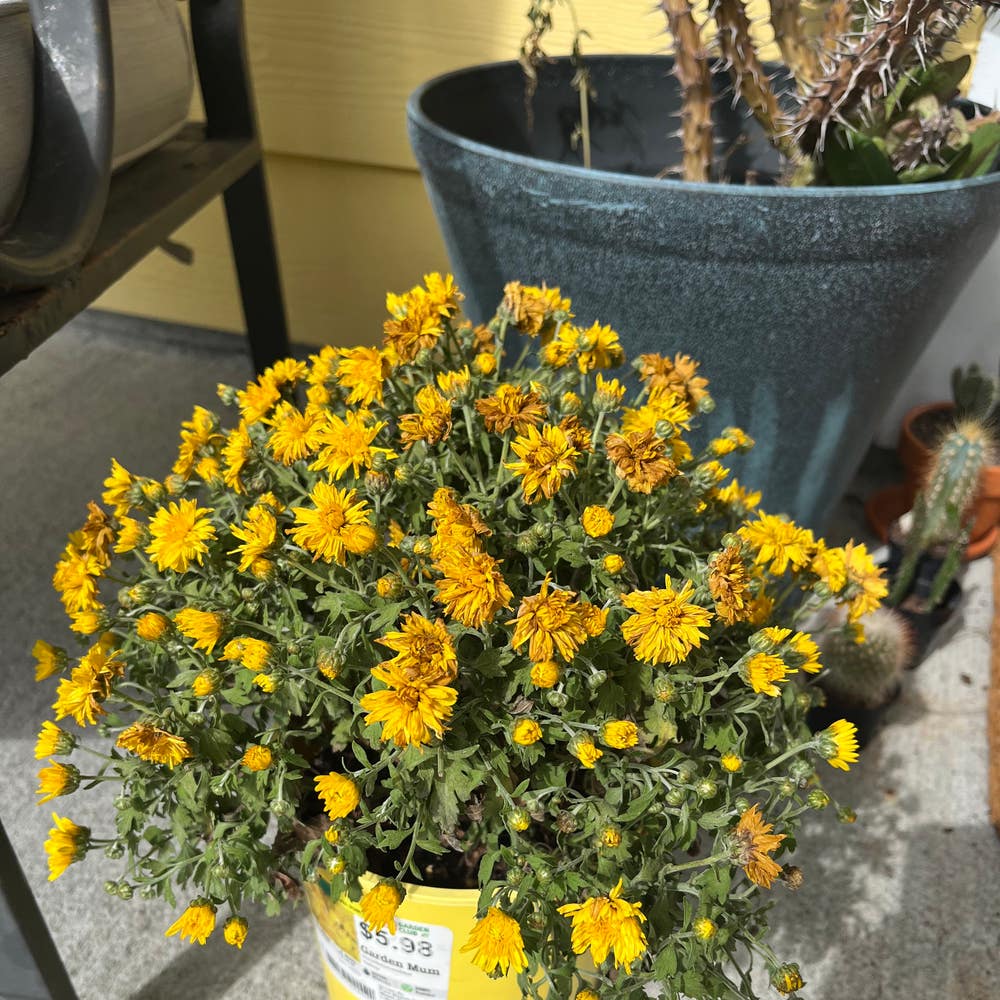
Care Summary for Chrysanthemum 'Ashley Red'
Chrysanthemum 'Ashley Red'
 Greg recommends:
 Water
Water
0.5 cups every 9 days
 Placement
< 1ft from a window
 Nutrients
Repot after 2x growth
Based on the 4” pot your plant is in, and that it doesn’t get direct sunlight.
 Trending in your area










 Similar to Chrysanthemum 'Ashley Red'
✨ Discover rare plants
Stanhopea tigrina

Philodendron 'Glorius'

Hoya sipitangensis

Lithops

Euphorbia baioensis

Ruby Ball

Caladium

Lavandula Pedunculata

Begonia hydrocotylifo…

Raphionacme flanaganii

Echeveria 'Joan Danie…

Philodendron eximium

Burro's Tail

Betel

Kudu Lily

Variegated Arrowhead …

Fernleaf Lavendar