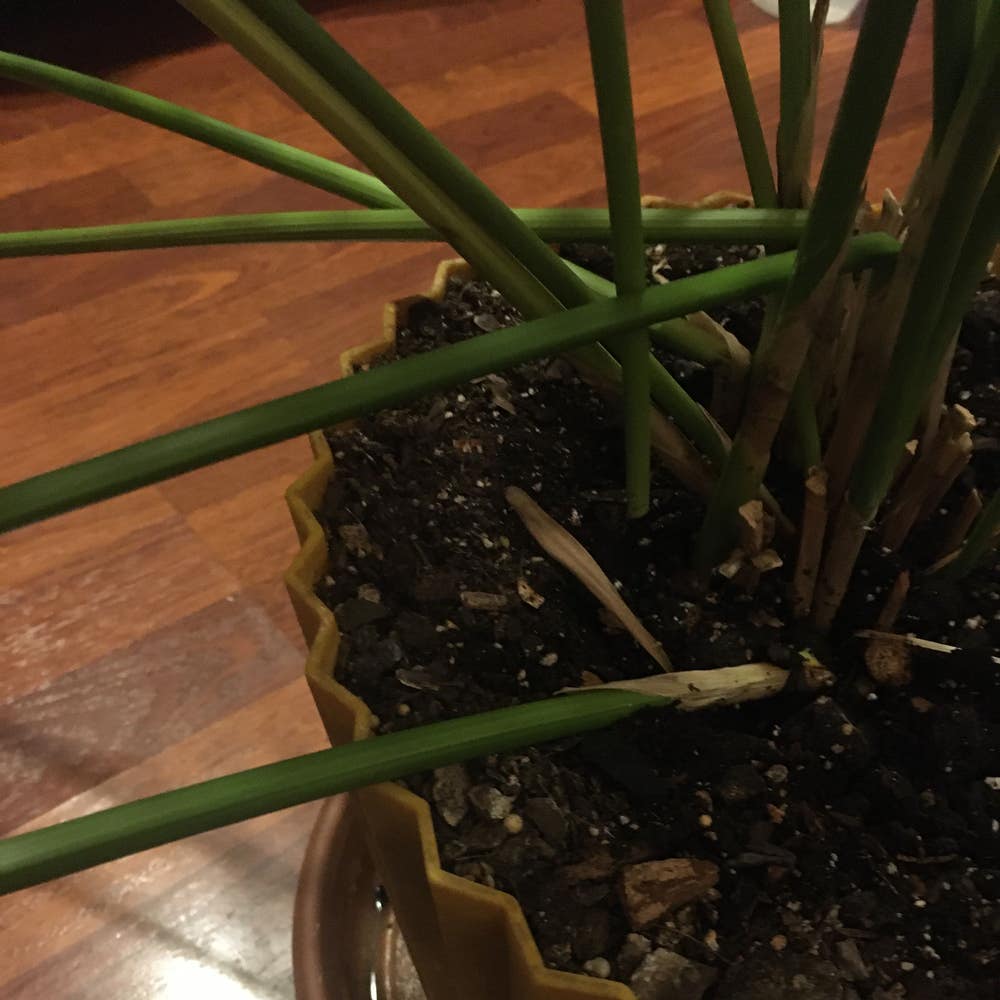
Why Are My Papyrus Leaves Mushy?
Cyperus papyrus
By the Greg Editorial Team
Jun 18, 2024•4 min read
This article was created with the help of AI so we can cover more plants for you. May contain errors. See one? Report it here.
- Overwatering leads to mushy leaves, adjust watering and check soil moisture.
- Improve drainage and water quality to prevent root rot and leaf mushiness.
- Create ideal microclimate with balanced humidity and good air circulation.
Spotting the Trouble: Signs Your Papyrus Leaves Are Unhappy
🚨 Visual Symptoms
Discoloration is the plant's version of a distress flare. If your Papyrus leaves are ditching their lush green for a sickly yellow or brown, it's not a fashion choice—it's a problem. Leaves that feel like they've been through a steamroller, all mushy and limp, are screaming for your attention.
🕵️ Root Health Check
To get to the root of the issue, you'll need to play detective. Slip the plant out of its pot and check the roots. Healthy roots are the bodybuilders of the plant world—firm and toned. If they're soft and dark, resembling something you'd rather not step in, it's time for some serious plant first aid. Sniff around; a bad odor is the plant's version of an S.O.S. signal.

The Usual Suspects: Common Causes of Mushy Leaves
💦 Overwatering Woes
Overwatering is often the chief villain behind mushy Papyrus leaves. It's like drowning the roots in their own habitat, stripping them of the air they desperately need. This excess moisture turns robust leaves into a limp, soggy mess.
🚰 Drainage Drama
Without proper drainage, water sticks around like an unwanted guest, creating a breeding ground for root rot. Drainage holes are your plant's lifeline; they're as essential as an exit in a fire drill. Ensure your Papyrus isn't sitting in a puddle by checking these escape routes regularly.
💧 Water Quality Quandaries
The quality of water you use can silently sabotage your Papyrus. Tap water laden with salts and chemicals can build up over time, altering the leaf texture and leading to that unwanted mushiness. Consider filtered or rainwater as a plant-friendly alternative.
🌬️ Humidity and Airflow Issues
Too much humidity can turn your Papyrus leaves into a wilted, mushy disaster. It's about balance—too little and the leaves dry out, too much and they become overly tender. Airflow is equally important; stagnant air is an open invitation for fungal diseases. Keep the air moving and the humidity in check.

Turning Things Around: Fixing Mushy Leaves
💧 Watering Wisdom
Adjust your watering routine to address mushy leaves. Wait until the top inch of soil is dry before watering again. Overzealous watering can suffocate roots, so show restraint. Use a moisture meter if you're unsure; it's like a plant's version of a thirst meter.
🌱 Soil Solutions
Amend your soil to improve drainage. Mix in ingredients like perlite or coarse sand to keep it airy. Think of it as giving your plant's roots room to breathe and stretch. A well-draining soil mix is non-negotiable for healthy Papyrus plants.
🌿 Root Rehabilitation
If roots are mushy and brown, it's time for some root rehab. Gently remove the plant and trim away the damaged roots with sterilized shears. Repot in fresh, well-draining soil and ensure your pot has enough drainage holes to prevent future waterlogging. Remember, healthy roots are the foundation of a thriving plant.

Keeping It Crisp: Preventing Future Leaf Mushiness
💧 Proactive Watering Practices
Consistency is key in watering your Papyrus. Develop a routine that respects the plant's need for moisture without overdoing it. Check the soil before watering; it should feel damp, not waterlogged. Use tools like moisture meters or trust the old-school finger test to gauge the need for water.
Adjust your watering schedule with the seasons—less in the cooler months, more when the heat kicks in. Remember, your Papyrus plant's thirst changes with the temperature.
🌿 Environmental Harmony
Creating the right microclimate is crucial for your Papyrus. Ensure good air circulation to ward off any fungal unwelcome parties. A gentle fan can keep the air moving without creating a leaf-tangling tornado.
Humidity needs a just-right balance. Too much invites fungal fairytales, too little and your plant is parched. Use a pebble tray or humidifier to hit that sweet spot.
Keep the plant away from drafts and sudden temperature changes. Your Papyrus prefers a stable environment, not a rollercoaster of hot and cold spots.
Regularly prune any mushy leaves to prevent disease spread and promote better airflow. It's like giving your plant a health check-up with immediate benefits.
Lastly, remember that Papyrus is a tropical plant. Protect it from temperatures below 40°F to avoid a frosty disaster. If you're in a cooler climate, consider moving it indoors during winter, keeping it very moist—ideally in standing water.
⚠️ Safety First
This content is for general information and may contain errors, omissions, or outdated details. It is not medical, veterinary advice, or an endorsement of therapeutic claims.
Always consult a qualified healthcare professional before using any plant as food, medicine, or supplement.
Never eat any plant (or feed one to pets) without confirming its identity with at least two trusted sources.
If you suspect poisoning, call Poison Control (800) 222-1222, the Pet Poison Helpline (800) 213-6680, or your local emergency service immediately.
Spotted an error? Please report it here.
End the mushy mystery of your Papyrus leaves by letting Greg guide 🕵️♂️ you to the perfect watering balance and root care from these insights.