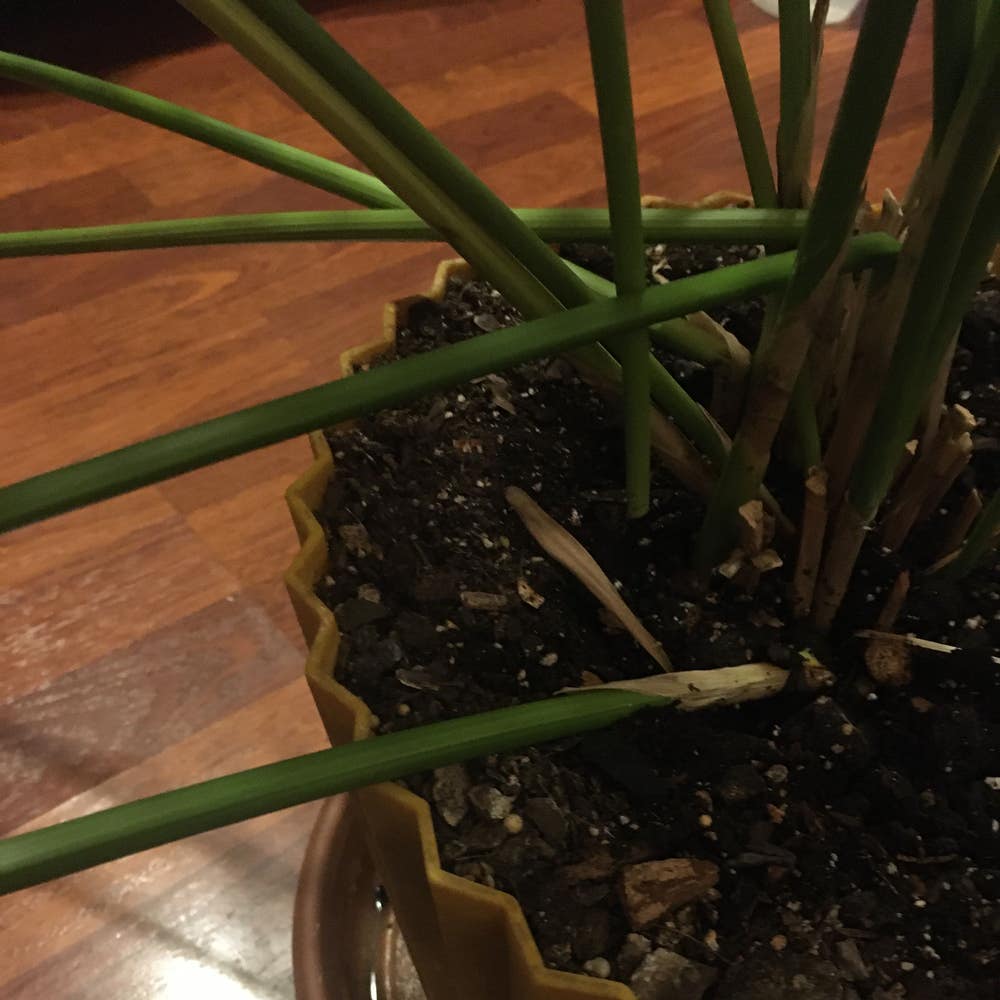
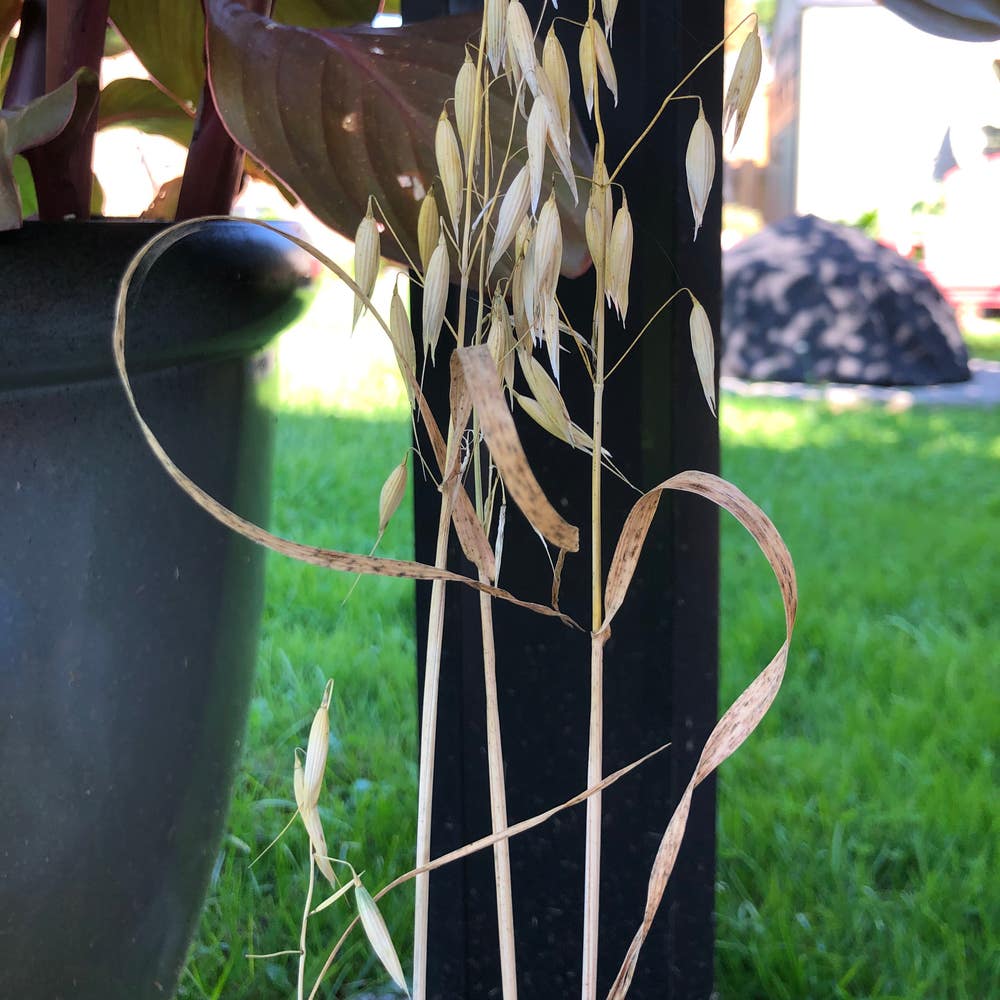
Why Are My Papyrus Leaves Falling Over?
Cyperus papyrus
By the Greg Editorial Team
Jun 18, 2024•3 min read
This article was created with the help of AI so we can cover more plants for you. May contain errors. See one? Report it here.
- Water wisely to prevent Papyrus leaves from drooping.
- Bright, indirect light and stable temps keep Papyrus healthy.
- Nitrogen-rich fertilizer and consistent care routine are key.
Pinpointing the Culprits Behind Droopy Papyrus Leaves
💧 Water Woes
Overwatering and underwatering are like the two ends of a tightrope walk for Papyrus plants. Too much water, and you're looking at root rot; too little, and your plant's leaves will start to resemble a dried-up autumn leaf pile. Check the soil moisture with your finger or a moisture meter—aim for a happy medium where the soil is moist but not waterlogged.
🌞 Light and Temperature Tangles
Finding the sweet spot for sunlight is crucial. Papyrus plants love light, but too much direct sun can scorch leaves, leaving them as crisp as overcooked fries. Keep your plant in bright, indirect light and away from drafts or heat sources. Temperature-wise, think of your Papyrus as a Goldilocks plant: it prefers it not too hot, not too cold, but just right.
🍽️ The Nutrient Balancing Act
Yellowing leaves can scream nitrogen deficiency louder than a hungry teenager. Papyrus plants need a balanced diet, and nitrogen is their steak and potatoes. If your plant's leaves are more yellow than green, consider a fertilizer rich in nitrogen to get those leaves back to their perky selves. Remember, though, more isn't always better—over-fertilizing can be just as problematic as under-fertilizing.

Turning the Tide: Solutions for Upright Leaves
💧 Fine-Tuning Your Watering Technique
Moisture check: Before you water, stick your finger into the soil. If it's dry an inch down, it's time to hydrate. If it's damp, hold off. Consider a moisture meter for a more precise measurement.
Seasonal shifts: Adjust your watering schedule with the seasons. Less is more during winter, while your Papyrus may thirst for more during the warmer months. Remember, your plant's not on a fixed diet—it's all about responding to its needs.
🌞 Light and Temperature Adjustments
Spot on: Papyrus plants love bright, indirect light. Place them near east or west-facing windows to avoid the harsh midday sun. If your light's lacking, grow lights are a solid Plan B.
Comfort zone: Keep the temperature consistent, like your favorite playlist. Room temperature with a slight breeze works wonders. Too hot or too cold, and your Papyrus will throw a fit.
🍽️ Nutritional Support for Your Papyrus
Fertilizer finesse: Choose a fertilizer that's high in nitrogen to keep those leaves perky. But don't overdo it; balance is key.
Timing is everything: Fertilize during the growing season, easing up as the days shorten. Overfeeding is just as harmful as overwatering, so keep it measured.

Proactive Plant Parenting: Preventing Papyrus Problems
📅 Establishing a Routine
Consistency is the backbone of Papyrus care. To prevent leaves from falling over, it's crucial to establish a care routine that aligns with your plant's needs. This includes regular watering, feeding, and adjusting for light and temperature changes.
Create a care calendar for your Papyrus to track these activities. This isn't just busywork; it's a strategic plan to ensure your plant thrives. Set reminders for watering, fertilizing, and even the occasional repotting. Think of it as a personal planner for your plant's social engagements.
👀 Vigilant Monitoring
Regular check-ups are your plant's health insurance. Keep an eye out for early signs of distress, such as yellowing leaves or a lean in the stem. These symptoms are your Papyrus whispering for help.
Adjust care based on your plant's feedback. If the leaves droop after a scorching day, it might be begging for a shade. Conversely, if it's reaching out like it's trying to catch a fly ball, maybe it's craving more sunlight. Listen to your plant; it's more communicative than you think.

⚠️ Safety First
This content is for general information and may contain errors, omissions, or outdated details. It is not medical, veterinary advice, or an endorsement of therapeutic claims.
Always consult a qualified healthcare professional before using any plant as food, medicine, or supplement.
Never eat any plant (or feed one to pets) without confirming its identity with at least two trusted sources.
If you suspect poisoning, call Poison Control (800) 222-1222, the Pet Poison Helpline (800) 213-6680, or your local emergency service immediately.
Spotted an error? Please report it here.
Keep your Papyrus leaves from drooping by mastering the art of care with personalized reminders 📅 from Greg, ensuring they always get the right amount of water, light, and nutrients.