💧 Why Are My Papyrus Leaves Droopy?
Cyperus papyrus
By the Greg Editorial Team
Jun 18, 2024•4 min read
This article was created with the help of AI so we can cover more plants for you. May contain errors. See one? Report it here.
- Droopy leaves signal a need for care adjustments in papyrus plants.
- Overwatering and underwatering cause yellowing and crispy leaves, respectively.
- Stable environment and light are key; monitor and adjust care routinely.
Spotting the Signs of Droopy Leaves
🌿 Recognizing droopiness in Papyrus
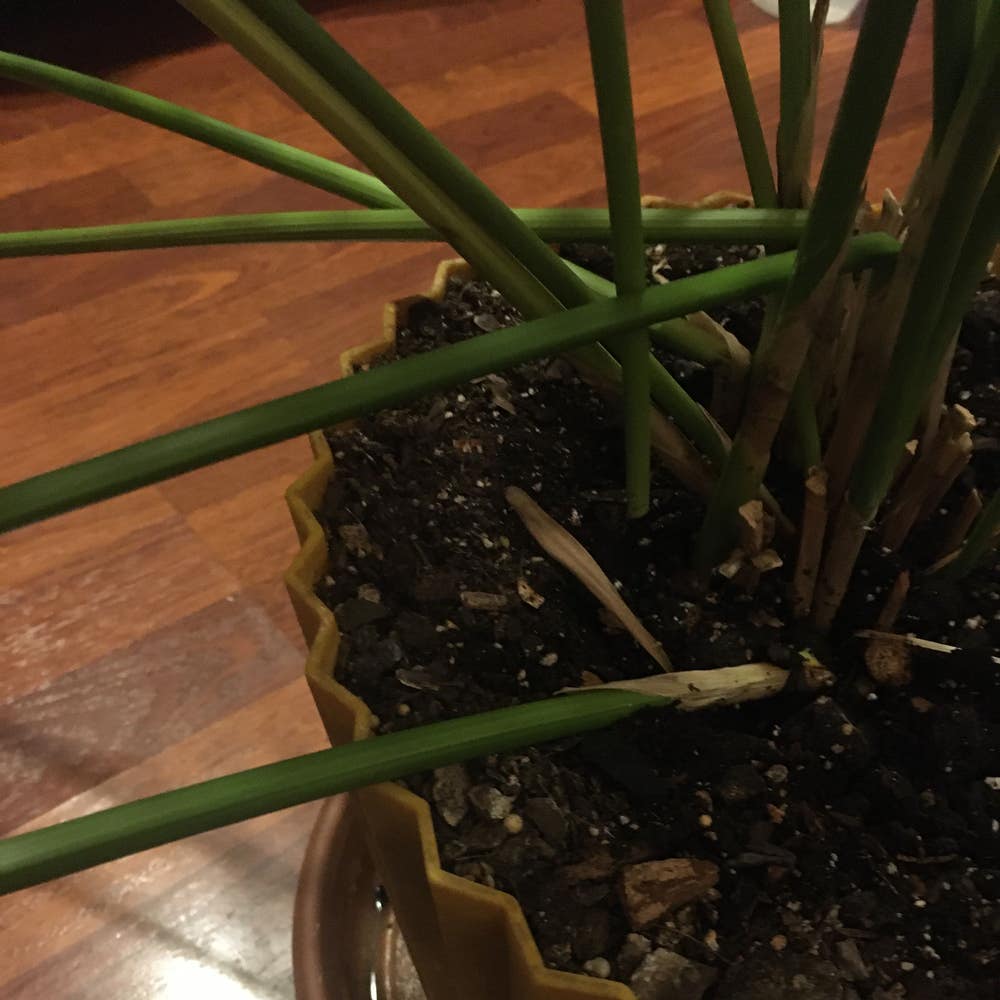
Papyrus plants have a distinctive look, with upright stems and umbrella-like clusters of leaves. When these leaves start to droop, it's a visual red flag. Droopiness is characterized by leaves that sag or bend downwards, a departure from their normally perky stance. It's not just a bad plant day; it's a sign that your Papyrus is calling for help.
🌱 Differentiating between natural growth and problematic drooping
Not all droop is a dire warning. Papyrus leaves may naturally bend as they grow larger and heavier. However, when drooping is accompanied by discoloration, spots, or a change in texture, it's time to pay attention. If the drooping is persistent or affects most of the plant, rather than just the older, lower leaves, you're likely looking at a problem. Keep an eye out for other symptoms like a musty smell or crispy leaves, which can indicate overwatering or underwatering, respectively. Remember, consistency is key—sporadic leaf loss is more concerning than a uniform natural shedding.

Unearthing the Causes of Droopiness
💦 Too Much Love: Overwatering Woes
Overwatering is like a backfired hug—it suffocates. Papyrus plants with yellowing leaves and a spongy stem are screaming for less water. Roots need air as much as they need moisture; too much water and they're practically drowning. A soil sniff test can save a life—if it smells like decay, your watering can is the culprit.
🏜️ Thirsty Roots: The Perils of Underwatering
Conversely, underwatering turns Papyrus into a crispy critter. Leaves curling inward are a desperate plea for water. If the pot feels as light as your post-vacation wallet, it's time to hydrate. But don't flood—aim for soil that's moist, not soggy, like that perfect piece of cake.
🌞 Feeling Stressed: Environmental Factors Affecting Leaf Perkiness
Environmental stress is the silent drama queen. If your Papyrus is drooping like it's carrying the weight of the world, check its living conditions. Temperature swings and drafts are unwelcome surprises. Aim for a humidity sweet spot around 40-50%—too much or too little and your plant's leaves will throw a fit. And light? It should be bright but indirect, like a well-placed lamp, not a spotlight.

Turning the Tide: Solutions for Sagging Leaves
💧 Fine-Tuning Your Watering Technique
Check the soil before you water; if the top inch is dry, it's time to hydrate. Use room-temperature water to avoid shocking the roots, and always water at the plant's base to dodge leaf issues and fungal intruders. Remember, less is more during the cooler months, so adjust your routine with the seasons.
🌡️ Creating a Comfort Zone: Adjusting Temperature and Humidity
Your Papyrus craves stability. Maintain a steady temperature that's neither too hot nor too cold. Boost humidity around the plant, perhaps with a pebble tray or humidifier, to mimic its natural swampy habitat. A gentle breeze from a fan can also keep the air fresh without causing a leafy tempest.
🌞 Let There Be Light: Ensuring Adequate Sunlight
Position your Papyrus in bright, indirect sunlight. Direct rays can scorch leaves, while too little light leads to a droopy demeanor. If your plant's leaves are reaching out like sun-starved zombies, it's time to find that luminous sweet spot.

Keeping Leaves Lively: Prevention Strategies
🌱 Establishing a Tailored Care Routine
Consistency is your plant's best friend. Water when the top inch of soil feels like a dry summer day—parched. But remember, no plant likes wet feet, so avoid waterlogging. Seasonal changes mean your watering can isn't always on the same schedule; adjust as needed.
📊 Monitoring and Adjusting Care as Needed
Your plant's not static, and neither should your care be. Observe changes in leaf texture or color like a hawk. Cooler months might call for less hydration, while summer demands more. Think of it as tuning an instrument—always striving for that perfect chord.
🌱 The Role of Proper Potting and Soil Composition
Soil is the unsung hero in your plant's life story. Aim for a mix that drains like a colander but holds nutrients like a treasure chest. Mulching can be a game-changer, keeping moisture consistent and temperature swings at bay. Just don't bury your plant's base like buried treasure—keep it accessible.
⚠️ Safety First
This content is for general information and may contain errors, omissions, or outdated details. It is not medical, veterinary advice, or an endorsement of therapeutic claims.
Always consult a qualified healthcare professional before using any plant as food, medicine, or supplement.
Never eat any plant (or feed one to pets) without confirming its identity with at least two trusted sources.
If you suspect poisoning, call Poison Control (800) 222-1222, the Pet Poison Helpline (800) 213-6680, or your local emergency service immediately.
Spotted an error? Please report it here.
Revive your papyrus plant from droopy despair to perky perfection 🌿 with Greg's moisture tracking and personalized care reminders tailored to your home environment.