Why Are My Papyrus Leaves Curling?
Cyperus papyrus
By the Greg Editorial Team
Jun 18, 2024•5 min read
This article was created with the help of AI so we can cover more plants for you. May contain errors. See one? Report it here.
- Temperature and humidity sensitivity causes Papyrus leaves to curl.
- Water and nutrients must be balanced to prevent curling.
- Vigilance against pests and diseases is crucial for healthy leaves.
Spotting the Culprits: What's Making My Papyrus Leaves Curl?
🌡️ Temperature Tantrums and Humidity Hiccups
Papyrus plants are drama queens when it comes to their climate comfort. Too hot or too cold, and they'll curl their leaves in defiance. Humidity levels are their co-stars; too low, and the leaves crisp, too high, and they droop. Aim for a consistent temperature and a humidity level that doesn't swing wildly.
💧 Thirsty Roots: Water Woes
Watering is a balancing act. Overwatering can suffocate roots, leading to downward curls of despair. Underwatering turns Papyrus into misers, curling upwards to conserve water. The golden rule? Keep the soil moist, checking the top inch before deciding to water.
🍽️ Hungry Plants: Nutrient Needs
Nutrient deficiencies make Papyrus leaves curl like they're throwing a fit. Yellowing is a cry for nitrogen, while browning edges scream for potassium. It's essential to feed them a balanced diet of fertilizer, but don't overdo it—think of it as a nutritious meal, not an all-you-can-eat buffet.

The Rescue Mission: Fixing Curly Papyrus Leaves
💧 Watering Wisdom
To fine-tune your watering routine, think of it as a balancing act. Your Papyrus craves moisture but despises soggy feet. Ensure the soil is consistently moist, not waterlogged. Let the top inch dry out before the next watering session. It's a simple touch test—damp good, soggy bad.
🌴 Creating the Perfect Papyrus Paradise
Your Papyrus plant's environment should mimic a tropical haven. Shield it from drafts and direct heat, which can trigger a leaf-curling SOS. Maintain a stable temperature and humidity level—think of it as setting the stage for a leafy performance of health and vigor. A pebble tray or humidifier can be your secret weapon against dry air.
🍽️ Feeding Finesse
Nutrient balance is key to preventing curly leaves. Use a balanced, water-soluble fertilizer, but don't overdo it. Think of it as a diet for your plant—regular, modest meals are better than a feast-or-famine approach. Adjust the feeding frequency with the seasons, less in winter, more in the growing season.

Keeping Pests and Diseases at Bay
🐛 Bug Battles and Fungal Foes
In the realm of Papyrus plants, pests and diseases are the archenemies of healthy foliage. Vigilance is your first line of defense; spotting the early signs of infestation can save your plant from the dreaded leaf curl.
🕵️ Identifying the Culprits
Spider mites and aphids are the usual suspects, treating your plant like an all-you-can-eat buffet. Check the undersides of leaves for these tiny invaders and their telltale damage. Fungal foes like powdery mildew make a grand entrance with a powdery white coat, while bacterial leaf spot flaunts dark, soggy spots.
🛡️ Proactive Measures
Encourage beneficial insects like ladybugs, who see aphids as a gourmet snack. Regular inspections are crucial—think of it as a routine security check for your green buddies. Keep the air moving and avoid leaving foliage wet to fend off fungal gatecrashers.
💣 Fungicides and Pesticides
Sometimes, you need to bring out the big guns. Fungicides can halt the spread of diseases like powdery mildew. If you're going chemical, always check with authorities for registered and safe options. Neem oil and insecticidal soap are your eco-friendly artillery against the tiny terrors. Apply with precision to hit every pest hideout.
🛠 Regular Maintenance
Keep your garden tools cleaner than a surgeon's instruments. Pruning affected areas can stop the spread of disease. Quarantine new plants to prevent an outbreak and maintain a clean plant environment to reduce pest populations.
By staying proactive and responsive, you can keep pests and diseases from turning your Papyrus's leaves into a botanical horror show.

Pro Tips for a Curl-Free Future
💧 Watering Wisdom
Adjust watering with the seasons; more when it's dry, less when it's humid. A moisture meter isn't just a gadget—it's your secret weapon against over or under-watering.
🌿 Creating the Perfect Papyrus Paradise
Air circulation is crucial—use a fan or crack a window, but avoid creating a mini tornado. Regularly wiping down leaves isn't just about cleanliness; it's a strategic move to deter pests and diseases.
🍽️ Feeding Finesse
Keep your Papyrus well-fed but not overindulged. Use room-temperature, chemical-free water to avoid nutrient shock and the dreaded curl.
🛡️ Keeping It Straight: Long-Term Prevention Strategies
Regular check-ups will catch distress signals early. Spot discoloration or unusual patterns? Time for some plant TLC. Remember, a stable environment equals a happy, curl-free Papyrus.
👩🌾 Aftercare: The Unsung Hero
Post-watering care is critical. Ensure the soil feels like a wrung-out sponge—moist but not soggy. Overwatering is the nemesis of Papyrus; it's a balancing act between too much love and benign neglect.
🌱 Pruning: Not Just a Cosmetic Fix
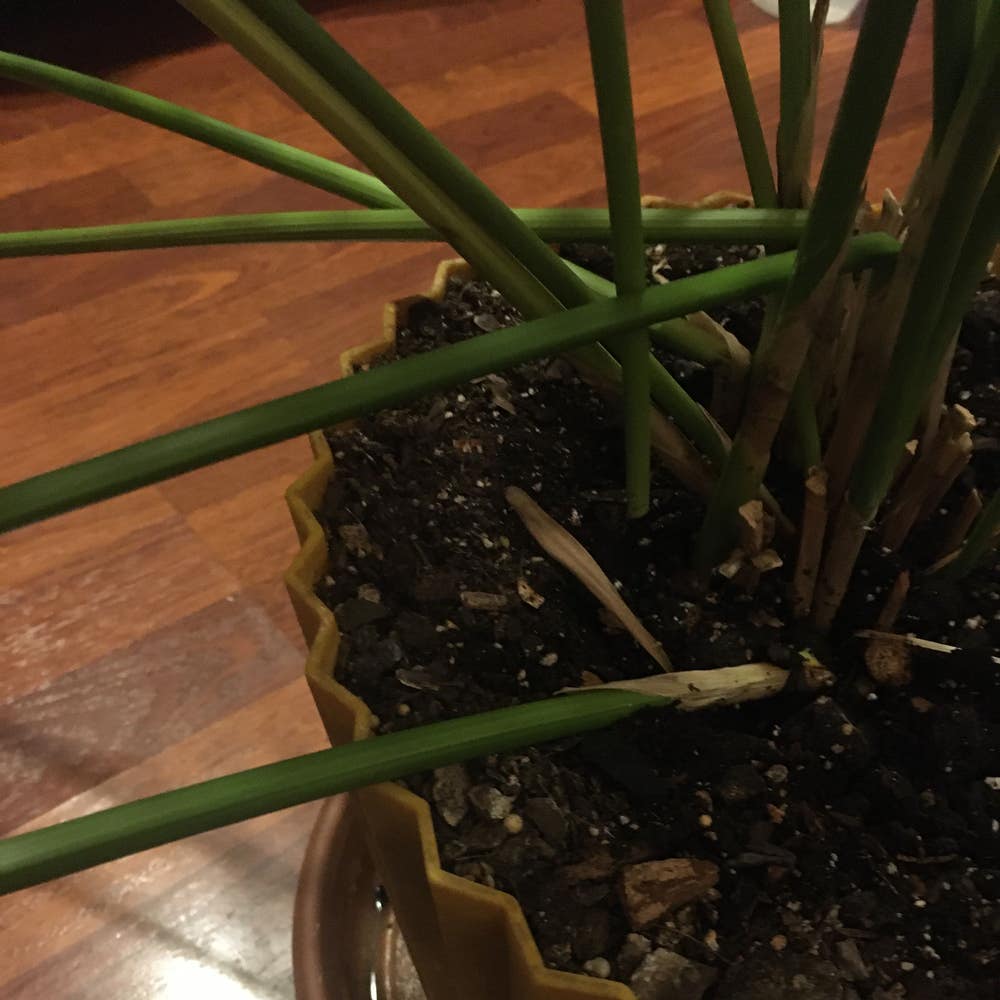
Selective pruning isn't just about aesthetics; it's about plant health. Remove brown reeds to encourage new growth and prevent a crumpled look.
By being vigilant and maintaining a consistent care routine, you'll master the art of Papyrus care and keep those leaves as straight as arrows.
⚠️ Safety First
This content is for general information and may contain errors, omissions, or outdated details. It is not medical, veterinary advice, or an endorsement of therapeutic claims.
Always consult a qualified healthcare professional before using any plant as food, medicine, or supplement.
Never eat any plant (or feed one to pets) without confirming its identity with at least two trusted sources.
If you suspect poisoning, call Poison Control (800) 222-1222, the Pet Poison Helpline (800) 213-6680, or your local emergency service immediately.
Spotted an error? Please report it here.
Say goodbye to leaf curling 🌀 with Greg's tailored reminders for watering and environment control, keeping your Papyrus plant perfectly poised.