What Temperature Does My Impatiens hochstetteri Need?
Impatiens hochstetteri
By the Greg Editorial Team
Mar 24, 2024•3 min read
This article was created with the help of AI so we can cover more plants for you. May contain errors. See one? Report it here.
Ensure your Impatiens hochstetteri thrives and blooms with this essential temperature guide! 🌡️🌼
- 65-75°F (18-24°C) is ideal for Impatiens hochstetteri's growth and blooms.
- Consistency prevents crispy or mushy leaves, indicating temperature stress.
- Avoid drafts and direct heat to maintain stable indoor temperatures.
Nailing the Perfect Temperature
🌡️ The Goldilocks Zone for Impatiens hochstetteri
To ensure your Impatiens hochstetteri thrives, aim for a temperature range of 65-75°F (18-24°C). This is the sweet spot where these plants hit their growth stride. Outside this range, you're looking at a plant that's merely surviving, not flourishing.
🗝️ Why Consistency is Key
Consistent temperatures are non-negotiable for Impatiens hochstetteri. Fluctuations can lead to a stressed plant, manifesting in lackluster growth and diminished blooms. Think of stability as the secret ingredient in your plant care recipe—it's what makes everything come together.
When Temperatures Go Wild
🌡️ Spotting the Signs of a Shiver or Sweat
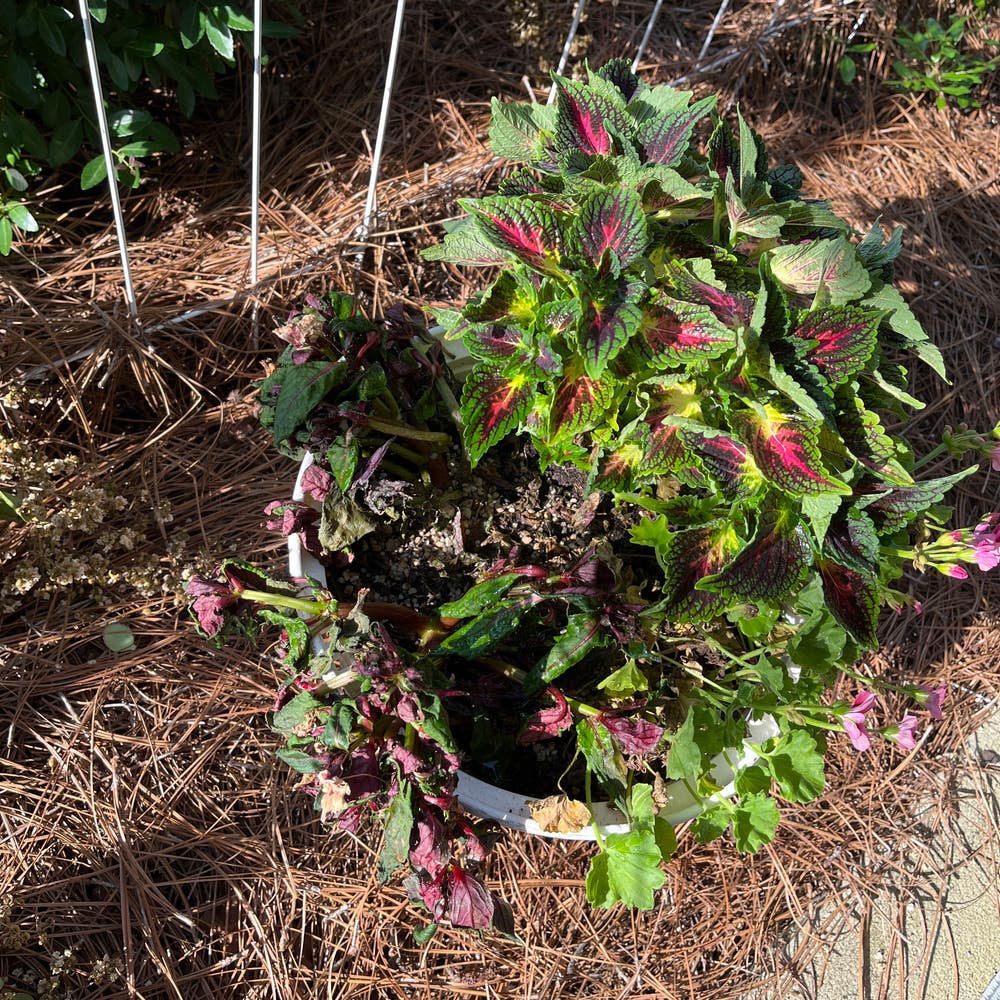
Impatiens hochstetteri, like any plant, will communicate distress through its leaves. Crispy leaves are a telltale sign that your plant is throwing a fit over too much heat. Conversely, a cold plant might sport mushy spots or exhibit stunted growth, as if it's hunkering down for a winter it never wanted. Keep an eye out for drooping or discolored leaves, which could indicate your plant feels like it's either baking in the desert or stranded in the Arctic.
🚑 Quick Fixes for Temperature Tantrums
When your Impatiens hochstetteri starts to show signs of temperature stress, it's time for some quick action. If it's too hot, think of moving your plant to a shaded area or a cooler room as its personal oasis. For a plant caught in a cold snap, find a warm spot away from drafts—think of it as giving your plant a warm hug. Remember, these fixes are about swift, sensible adjustments; no need to overcomplicate with drastic measures. A simple relocation can be the equivalent of swapping a tank top for a cozy sweater on a chilly evening.
Common Culprits of Temperature Trouble
🌡️ Heatwaves and Cold Snaps
Sudden temperature shifts are like mood swings for Impatiens hochstetteri. Heatwaves can push the plant into survival mode, halting growth and bloom production. Conversely, cold snaps can cause the plant to retreat, dropping leaves and flowers in a silent protest against the chill.
💨 Indoor Climate Control
Drafts and direct heat from appliances are notorious for causing temperature instability indoors. To keep your Impatiens hochstetteri comfortable, avoid placing it near air conditioners, heaters, or drafty windows. Instead, aim for a spot with consistent indirect light and stable temperatures to prevent your plant from becoming a botanical drama queen.
Flower Power and Temperature
🌡️ Warmth and Blooms Go Hand in Hand
In the botanical ballet of Impatiens hochstetteri, temperature is the maestro. The right degree of warmth is like a green light for the plant's flowering phase. Optimal temperatures coax out a riot of color as blooms unfurl in response to the plant's comfort.
❄️ When Temperatures Drop, So Do Flowers
Chillier conditions send a clear signal to Impatiens hochstetteri: hold off on the flowers. The plant's survival instinct kicks in, prioritizing energy conservation over decorative displays. Consistent warmth is the secret to a continuous floral performance. Keep the thermostat steady, and your Impatiens hochstetteri will reward you with blooms.
⚠️ Safety First
This content is for general information and may contain errors, omissions, or outdated details. It is not medical, veterinary advice, or an endorsement of therapeutic claims.
Always consult a qualified healthcare professional before using any plant as food, medicine, or supplement.
Never eat any plant (or feed one to pets) without confirming its identity with at least two trusted sources.
If you suspect poisoning, call Poison Control (800) 222-1222, the Pet Poison Helpline (800) 213-6680, or your local emergency service immediately.
Spotted an error? Please report it here.
Ensure your Impatiens hochstetteri thrives 🌡️ with Greg's custom care plan that keeps temperatures just right, avoiding crispy or mushy mishaps.