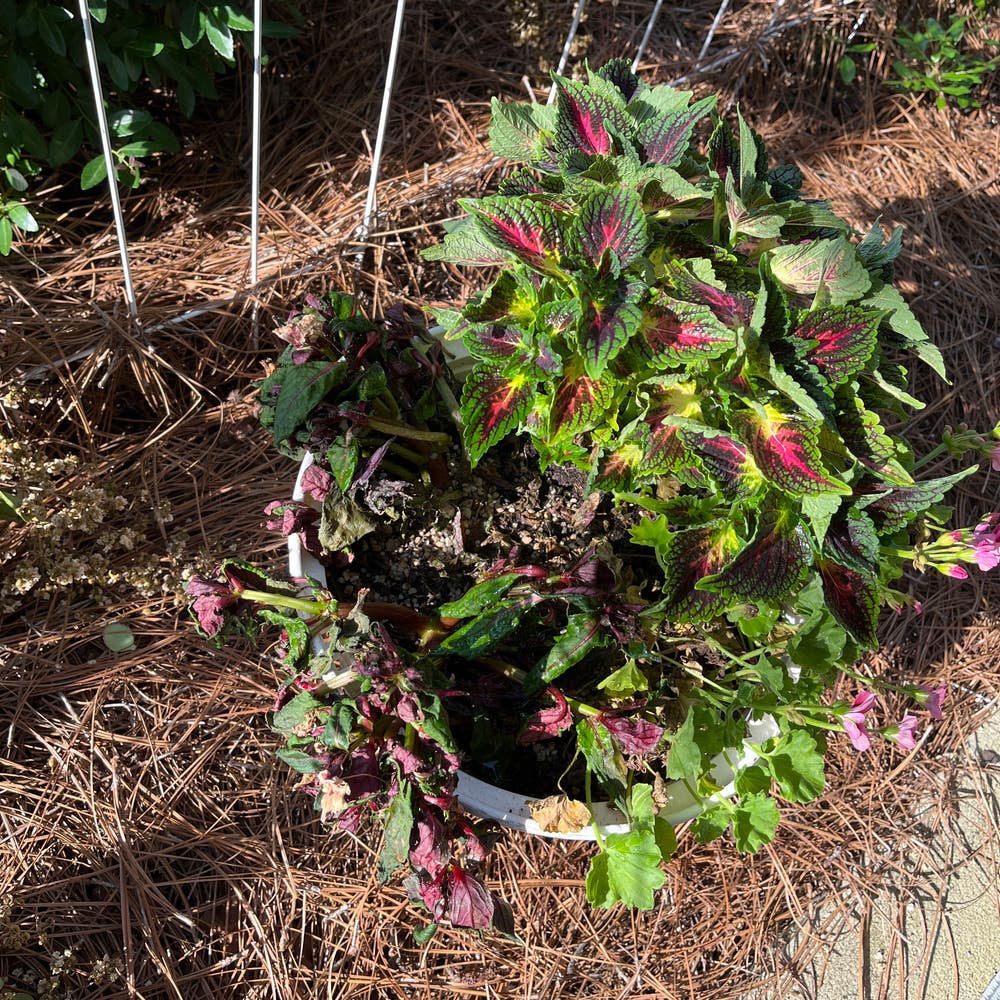
Why Are My Impatiens hochstetteri Leaves Droopy?
Impatiens hochstetteri
By the Greg Editorial Team
Mar 24, 2024•3 min read
This article was created with the help of AI so we can cover more plants for you. May contain errors. See one? Report it here.
Perk up your Impatiens 🌿 with proven tips to tackle droopy leaves and ensure lasting plant health!
- 💧 Over/underwatering affects leaf health: Balance is key for Impatiens hochstetteri.
- 🌡️ Stable microclimate prevents droopiness: Watch temperature and humidity.
- 🌱 Consistent care combats droop: Regular watering, light checks, and soil inspections.
Why Your Impatiens hochstetteri Might Be Down in the Dumps
💧 Water Woes: Too Much or Too Little
Yellow, soggy leaves? Overwatering might be your issue. Impatiens hochstetteri's stems get mushy when they're drowning. If the pot feels like a swamp, ease up on the H2O. Conversely, a pot lighter than a feather and dry, crispy leaves scream underwatering. Check the soil; if it crumbles like a dry cookie, it's time to water.
🌦️ Climate Clashes: When the Environment Isn't Right
Leaves looking like they've been through a mini apocalypse? Temperature swings and improper humidity levels are likely the culprits. Drafts are the silent enemy here. Keep your Impatiens away from unpredictable spots like air conditioners and heaters. Think of it as crafting a microclimate as stable as your favorite pair of jeans.
🌱 Soil and Sunlight: The Foundation of Health
Soil quality and light exposure are non-negotiable for leaf rigidity. Impatiens thrive in well-draining soil; consider adding perlite or coarse sand to avoid waterlogged roots. As for light, bright but indirect is the jackpot. Direct sunlight is a no-go—it'll fry your plant's leaves faster than an egg on a hot sidewalk. Rotate your plant to prevent the dreaded one-sided droop.
Troubleshooting Droopy Leaves
🐛 Pests and Pathogens: Unwanted Guests
Aphids and spider mites are like unwanted diners at your Impatiens hochstetteri's expense, leaving leaves limp. Fungal diseases are no better, turning leaves into sad flags of distress.
🚔 Pest Patrol
Look for sticky residue or webbing—clear signs of pest parties. If you spot these gatecrashers, it's time for eviction.
🕵️ Disease Detectives
Black or brown spots on leaves are telltale disease signs. Don't let these invaders settle; act fast with a fungicide, but always read the label.
Quick Fixes for a Swift Recovery
Immediate actions can sometimes turn the tide. Clean leaves gently to remove dust and pests, and ensure your plant's environment has the right light and humidity levels.
When to Wave the White Flag
Recognize when damage is beyond repair—persistent decline, extensive root rot, or severe pest infestations may be the end of the line. Sometimes, the kindest cut is the deepest; prune damaged foliage to save the rest.
Keeping Your Impatiens Perky: Prevention is Key
💧 Regular Routines for Vigilant Care
Consistency in care is your Impatiens' best friend. Regular watering, light checks, and soil inspections are the trifecta of prevention.
Water your Impatiens when the top inch of soil is dry to the touch, but don't let it sit thirsty for too long.
🌱 Long-Term Love: Ongoing Maintenance
Adjust your care with the seasons. Less water in winter, more in summer, and always ensure your Impatiens is not baking in direct sunlight or shivering in a draft.
Fertilization every 5-7 weeks during growing season keeps nutrients flowing. Prune to encourage bushiness, but don't go Edward Scissorhands on it.
Monitoring for pests and diseases is like a routine health check-up. Catch them early, and you'll save your plant a lot of stress.
Remember, a little extra humidity can help, but don't turn your Impatiens into a fungal fiesta. Keep it balanced, like your diet should be.
Lastly, keep a log. It's not just for the sentimental—it's a practical record of what works and what doesn't for your green companion.
⚠️ Safety First
This content is for general information and may contain errors, omissions, or outdated details. It is not medical, veterinary advice, or an endorsement of therapeutic claims.
Always consult a qualified healthcare professional before using any plant as food, medicine, or supplement.
Never eat any plant (or feed one to pets) without confirming its identity with at least two trusted sources.
If you suspect poisoning, call Poison Control (800) 222-1222, the Pet Poison Helpline (800) 213-6680, or your local emergency service immediately.
Spotted an error? Please report it here.
Keep your Impatiens hochstetteri vibrant and upright 🌿 by tracking your plant's needs with Greg, ensuring perfect watering, light, and soil conditions to prevent those droopy-leaf blues.