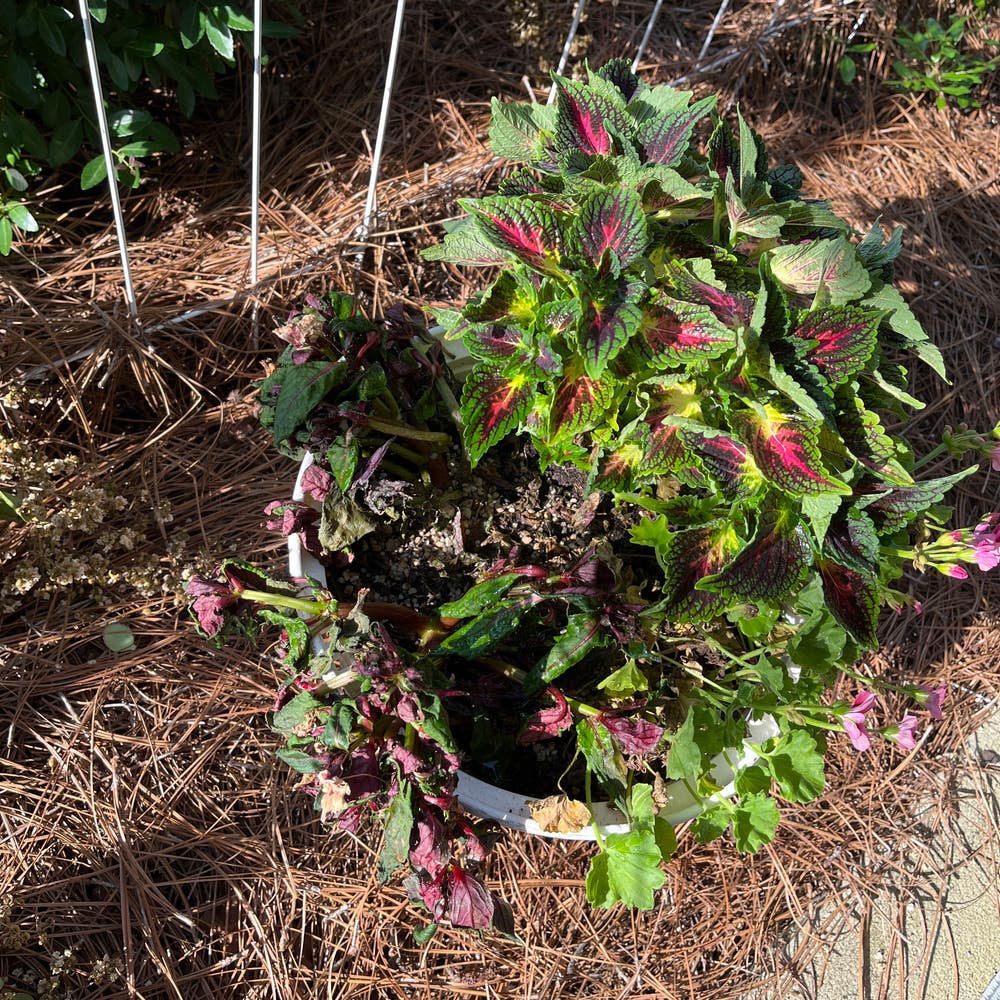
Why Are My Impatiens hochstetteri Leaves Mushy?
Impatiens hochstetteri
By the Greg Editorial Team
Mar 24, 2024•4 min read
This article was created with the help of AI so we can cover more plants for you. May contain errors. See one? Report it here.
Rescue your Impatiens from mushy leaf misery 🍂 by cracking the code on moisture and mold. 🕵️♂️
- Overwatering? Yellow leaves and wet soil are telltale signs.
- Fungal infections show as spots, lesions, or musty odors.
- Prevent mushiness with proper watering, drainage, and air circulation.
Spotting Trouble: Signs Your Impatiens hochstetteri Leaves Are at Risk
💦 Overwatering Symptoms
Yellow leaves and a soil texture akin to wet sand are your first clues that you're drowning your Impatiens hochstetteri in affection—literally. If your pot feels heavier than your emotional baggage, it's time to ease up on the watering. Mushy stems are a cry for help; they're basically the plant equivalent of root rot.
🌊 The connection between mushy leaves and excessive moisture
When leaves turn into a soggy mess, it's a billboard-sized hint that you've overdone the H2O. Excessive moisture is the root of all evil here, leading to leaves that are more mush than matter. If touching them feels like a squishy stress ball, you've got a problem.
🍄 Telltale Fungal Infections
Fungi are the party crashers no one invited. They love a moist environment like a cat loves a warm laptop. Spots or lesions on leaves, along with a musty odor from the soil, are your red flags. These symptoms are the plant's way of telling you it's not just overwatered but also under attack by fungal freeloaders.
🦠 Spotting the onset of fungal-induced mushiness
If you see mold or a powdery residue, it's time to switch from plant parent to plant doctor. Quick identification and action can prevent your Impatiens hochstetteri from turning into a fungal feast. Remember, a healthy plant doesn't smell like last week's forgotten laundry.
First Aid for Mushy Leaves
🌧️ Rescuing Overwatered Impatiens
When you suspect your Impatiens hochstetteri has had one too many sips, act fast. First, stop the waterworks—no more hydration until the soil feels like a dry sense of humor.
🚑 Immediate Steps to Take
- Isolate the plant to prevent a disease rave from infecting its neighbors.
- Gently remove the plant from its pot and inspect the roots. Brown and mushy? Bad news.
- Trim away the rot with sterilized scissors—think surgical precision.
- Repot in fresh, well-draining soil that's as airy as your favorite podcast host's banter.
💪 Salvaging the Situation
- If the pot feels heavier than your last breakup, it's time to lighten up. Let the soil dry out before the next watering flirtation.
- Consider a drainage makeover. Mix in perlite or coarse sand to keep the soil from getting clingy.
- Choose a pot with drainage holes. No holes? No hope.
🍄 Combating Fungal Foes
Fungi are like uninvited guests—they show up, and before you know it, they've taken over. If you spot a fungal fiesta, it's time to crash it.
🛡️ Selecting the Right Fungicide
- Go for a copper-based fungicide for fungal foes. It's like sending in the bouncers.
- Always follow the label like it's the secret recipe to your grandma's legendary cookies.
🌿 Home Remedies to Consider
- For a minor fungal shindig, try a home remedy. Baking soda or neem oil can be the party poopers you need.
- Keep a watchful eye on your plant's recovery like it's the season finale cliffhanger of your favorite show. Be ready to adapt your care strategy if the plot thickens.
Turning the Tide: Preventing Future Mushiness
💧 Mastering the Art of Watering
Watering should be responsive, not routine. Check the soil's dryness before watering; if the top inch feels dry, it's time to hydrate. Moisture meters are your secret weapon, eliminating guesswork and ensuring you're not overdoing it.
🌊 Tools and Techniques for Precise Watering
A watering can with a long spout targets the base, avoiding leaf wetness that can invite disease. Consider a self-watering pot for consistent moisture, especially if you tend to forget. Adjust your approach with the seasons—less in the cool months, more when it's warm.
🌿 Creating an Ideal Environment
🚰 Ensuring Proper Drainage and Container Choice
Drainage holes are non-negotiable; they're the escape routes for excess water. Opt for terracotta pots or add perlite to the mix for their moisture-wicking abilities. A layer of pebbles at the bottom can further enhance drainage.
💨 Strategies for Improving Air Circulation
Good air circulation is crucial. Don't crowd your plants; give them space to breathe. This helps leaves dry faster, reducing the risk of fungal issues. A fan can help in stagnant areas, but don't blow directly on the plants—think gentle breeze, not hurricane.
⚠️ Safety First
This content is for general information and may contain errors, omissions, or outdated details. It is not medical, veterinary advice, or an endorsement of therapeutic claims.
Always consult a qualified healthcare professional before using any plant as food, medicine, or supplement.
Never eat any plant (or feed one to pets) without confirming its identity with at least two trusted sources.
If you suspect poisoning, call Poison Control (800) 222-1222, the Pet Poison Helpline (800) 213-6680, or your local emergency service immediately.
Spotted an error? Please report it here.
Revive your Impatiens hochstetteri from soggy to splendid 🌱 with Greg's tailored watering reminders, ensuring your plants stay healthy and fungal-free.