Impatiens hochstetteri Fertilizer: How and When to Use It
Impatiens hochstetteri
By the Greg Editorial Team
Mar 24, 2024•3 min read
This article was created with the help of AI so we can cover more plants for you. May contain errors. See one? Report it here.
Nurture vibrant Impatiens blooms 🌸 with the perfect fertilizer mix and schedule—find out how!
- Higher phosphorus for blooms: Choose a fertilizer with more phosphorus.
- Fertilize monthly in growing season: Adjust schedule based on plant stress.
- Prevent over-fertilization: Recognize signs and know how to rescue your plant.
Choosing the Right Fertilizer for Your Impatiens hochstetteri
💡 Types of Fertilizers to Consider
When selecting a fertilizer for your Impatiens hochstetteri, consider water-soluble, granular, or organic options. Water-soluble fertilizers blend seamlessly into your watering routine, offering a quick nutrient boost. Granular fertilizers are the tortoises of the plant food world, slowly releasing nutrients over time, making them a low-maintenance choice. Organic options, like compost or manure, enrich the soil naturally but may have variable nutrient levels.
💡 The Best Nutrient Mix for Flower Power
For Impatiens hochstetteri, a fertilizer with a higher phosphorus content is key to promoting vibrant blooms. Look for a balanced all-purpose fertilizer, but with a twist—more phosphorus. Ratios like 10-30-20 or 10-10-10 ensure a well-rounded nutrient supply. Phosphorus is the secret sauce for flowers, while nitrogen and potassium support overall health and foliage. Avoid high-nitrogen fertilizers, which can lead to lush leaves at the expense of blooms. Remember, moderation is your friend; overdoing it can lead to a nutrient overload.
Timing is Everything: When to Fertilize
📆 Establishing a Fertilization Schedule
Impatiens hochstetteri, like any plant, thrives on timely nutrition. Kickstart your fertilization as the plant exits its winter dormancy. This is typically in early spring, when new growth signals a hunger for nutrients. A monthly schedule is a good starting point during the growing season.
🌱 Seasonal Adjustments for Peak Performance
As summer unfolds, Impatiens hochstetteri's appetite for nutrients remains steady. Continue with the monthly feedings, but stay vigilant. Signs of stress may call for slight adjustments. As fall approaches, taper off to accommodate the plant's slowing metabolism. Overwintering? Ease off completely—your plant isn't throwing a dinner party, it's hibernating.
The Fertilization Process: How to Do It Right
🌱 Mixing and Applying Fertilizers
Dilution ratios are the unsung heroes of plant care. For Impatiens hochstetteri, mix liquid fertilizer to half-strength to avoid overwhelming your plants. Use a syringe for precision—this isn't a time for eyeballing. Apply the diluted mix to the soil, steering clear of the leaves to sidestep potential damage.
🚫 Avoiding Common Mistakes
Fertilizer burn is the bane of many gardeners. To prevent this, ensure the soil is moist before applying fertilizer. This creates an even distribution of nutrients, which is like giving your plants a balanced diet instead of a feast-or-famine scenario. Safety first—wear gloves and a mask when handling chemical fertilizers, because no one wants a trip to the ER over plant care.
Recognizing and Fixing Over-Fertilization
🚩 Spotting the Telltale Signs
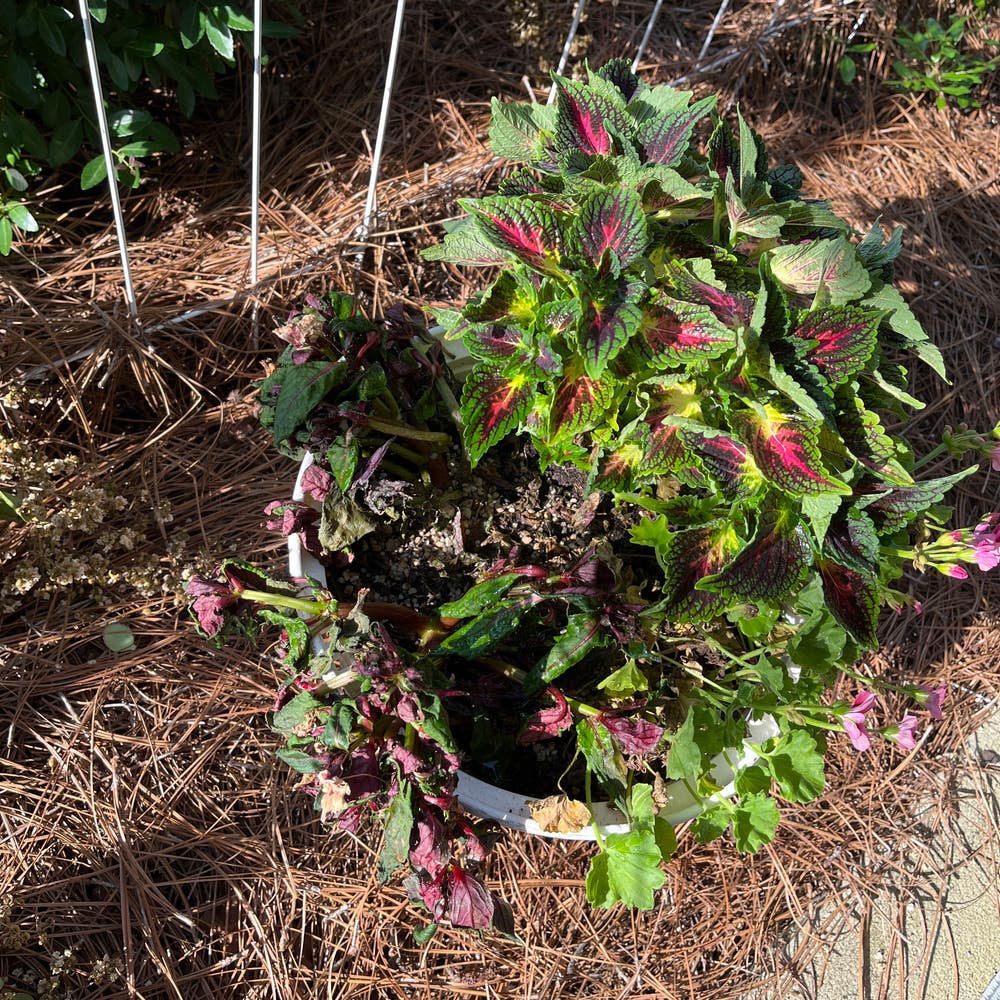
Yellowing leaves, brown tips, and a white crust on the soil surface are red flags for over-fertilization. Roots may appear brown or blackened, and despite moist soil, leaves can wilt. If blooms are lackluster or absent, it's time to inspect for nutrient overload.
🛠️ Getting Back on Track
Immediate action is required to rescue your Impatiens hochstetteri from excess fertilizer. First, remove any visible fertilizer from the soil. Next, flush the soil with water to dilute and wash away the excess nutrients; this may need repeating several times. Trim damaged foliage to help the plant focus on recovery.
For potted plants, consider a complete soil change. Hold off on further fertilization until the plant shows signs of recovery—typically a few weeks. Remember, more is not always better; moderation is key to plant health.
⚠️ Safety First
This content is for general information and may contain errors, omissions, or outdated details. It is not medical, veterinary advice, or an endorsement of therapeutic claims.
Always consult a qualified healthcare professional before using any plant as food, medicine, or supplement.
Never eat any plant (or feed one to pets) without confirming its identity with at least two trusted sources.
If you suspect poisoning, call Poison Control (800) 222-1222, the Pet Poison Helpline (800) 213-6680, or your local emergency service immediately.
Spotted an error? Please report it here.
Nurture a garden full of vibrant blooms 🌺 with Greg's personalized feeding schedule, ensuring your Impatiens hochstetteri flourish without the fuss.