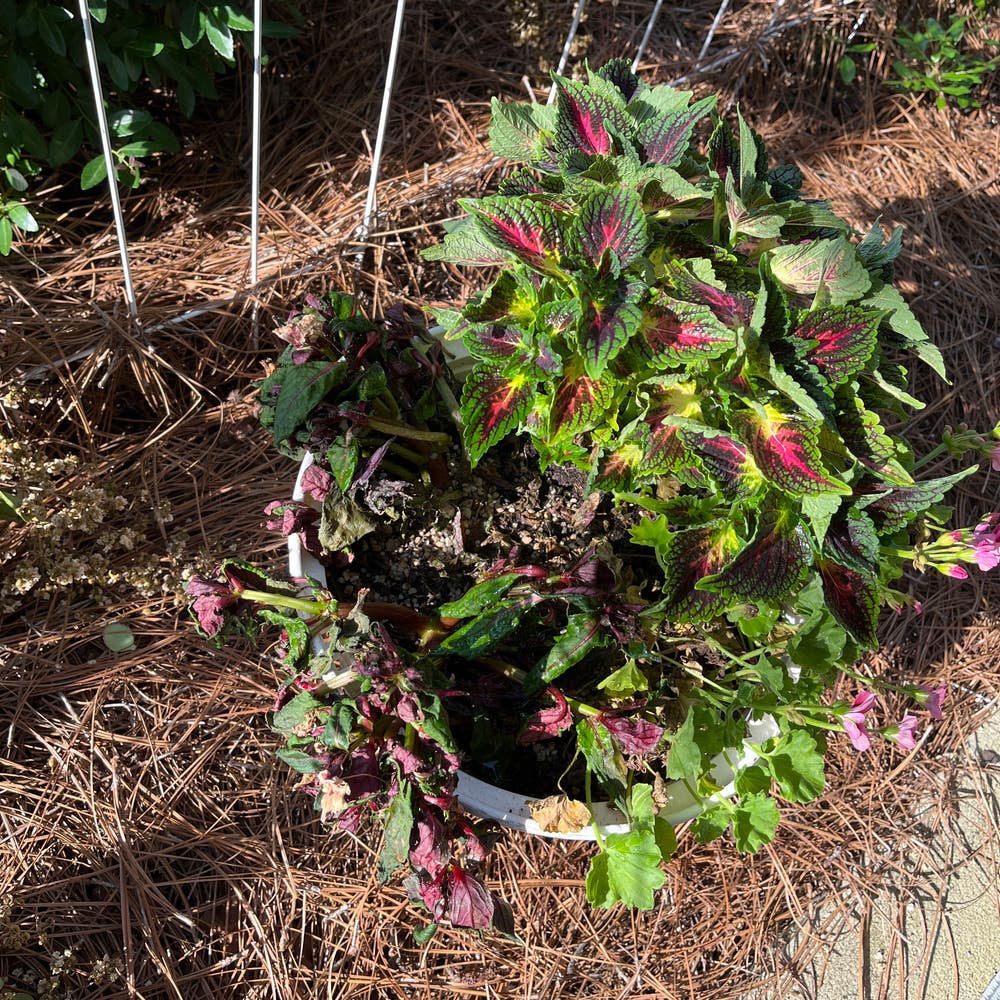
Why Is My Impatiens hochstetteri Not Doing Well?
Impatiens hochstetteri
By the Greg Editorial Team
Mar 24, 2024•5 min read
This article was created with the help of AI so we can cover more plants for you. May contain errors. See one? Report it here.
Revive your wilting Impatiens hochstetteri 🌺 with these key tips for a vibrant, healthy bloom.
- 🌊 Over-watering signs: wilting, crispy tips, mushy leaves. Drainage is key.
- ☀️🌡️ Bright, indirect light and stable temps prevent pale leaves and stress.
- 🐛 Combat pests and mold with organic methods and proper air flow.
When Water Works Against You
💧 Signs of Water Woes
Wilting leaves scream for water, while crispy tips whisper of thirst. On the flip side, mushy leaves wave the flag of over-watering. Black spots or browning tips? Time to reassess your watering habits. A pot heavy as your heart after a sad movie likely means too much water; light as a feather, and your plant is parched.
🚰 Fine-Tuning Your Watering Routine
Balance is key. Think of watering like your favorite playlist—consistent but adaptable. The soil should feel like a well-squeezed sponge—moist, not drenched. Use a calendar or set reminders if your memory's as reliable as a weather forecast. Seasons change, and so should your watering—less when it's cool, more during growth spurts.
🌊 Drainage: The Unsung Hero
Proper drainage is the unsung hero, preventing roots from taking an unwanted swim. If your pot's lacking holes, it's like wearing socks in the shower—unpleasant and unnecessary. Mix in perlite or sand to keep the soil from holding water hostage. When in doubt, a moisture meter is your truth-teller, no fibbing allowed.
Light and Temperature: The Balancing Act
🍃 Reading the Leaves: Light Issues
Pale leaves and leggy growth are your Impatiens hochstetteri's way of saying it's starved for light. It's stretching out, reaching for a sunbeam like a plant in a yoga pose. If your green friend is getting too much light, it'll curl up, trying to hide from the sun's glare like it owes it money.
🕵️ Identifying Light Issues
Look for leaves that have lost their lush green color. They're not just being dramatic; they're clamoring for shade. On the flip side, if your plant is starting to look like a spindly beanstalk, it's time to move it closer to the light.
Ideal Light Conditions
Bright, indirect sunlight is what this plant craves. Think of it as the plant's favorite café—enough light to read by without the risk of a sunburn. Rotate your pot regularly to give each side a turn in the limelight.
Keeping the Chill at Bay
Impatiens hochstetteri doesn't appreciate a cold shoulder. Drafts and sudden temperature changes are like a bad breakup for this plant—it won't thrive. Keep it in a spot where the temperature is as consistent as your favorite barista's coffee.
Protecting from Temperature Swings
Avoid placing your plant near windows that are opened frequently or air vents where blasts of hot or cold air can hit it like an unwelcome surprise party. Instead, find a cozy nook where the temperature stays between 18-24ºC (64-75ºF), and your plant will thank you by not dropping leaves like confetti.
Uninvited Guests: Tackling Pests and Diseases
🐛 Pests: Spotting and Squashing the Invasion
Aphids, spider mites, and whiteflies are the bane of many houseplants, including the Impatiens hochstetteri. These pests are notorious for their sap-sucking habits, which can weaken plants and lead to a host of problems.
🦟 Aphids
Aphids are small, but they pack a punch. They tend to congregate on new growth or the undersides of leaves. You'll know they're there by the sticky residue they leave behind, known as honeydew. This gooey substance can attract sooty mold, which is as unsightly as it sounds. A strong spray of water or insecticidal soap can help evict these pests.
🕷 Spider Mites
Spider mites are tiny critters that cause big trouble. They create fine webs on the plant, and their feeding results in speckled leaves. If you spot these signs, it's time for a shower—literally. Blasting them with water or introducing natural predators like ladybugs can curb their population.
🦋 Whiteflies
Whiteflies are those little white moths that seem to appear out of nowhere. They love to flutter around and lay their eggs on the undersides of leaves. Sticky traps or a diluted neem oil spray are effective ways to show them the exit.
🍄 Mold and Fungus Among Us
Mold and fungal issues are like that moldy bread you forgot at the back of your fridge—unpleasant and better off avoided. For Impatiens hochstetteri, proper air flow and moisture control are key to keeping these issues at bay.
💨 Air Circulation
Keep the air moving. A small fan can discourage stagnant air, and keeping humidity in check is crucial. If you spot mold or mildew, it's time to reassess your plant's location and air flow.
💧 Moisture Control
Overly wet soil is a fungal fiesta waiting to happen. Adjust your watering schedule to ensure the soil isn't constantly soggy. If you do encounter mold, removing affected leaves and using a fungicide can be your cleanup crew—but always as a last resort.
Regular inspections are crucial. Catching these uninvited guests early means you can avoid the need for harsh chemicals. Remember, a clean and well-ventilated environment is your best defense against pests and diseases.
Environmental Stress: From Scorch to Shiver
🌞 Sunburn and Leaf Scorch
Impatiens hochstetteri can't handle the heat. If your plant's leaves are sporting a crispy tan, it's begging for some shade. Leaf scorch is the plant's white flag against intense sunlight, and it's your cue to intervene.
🛡️ Prevention and Protection
Create a shield from the sun's harsh rays. Use sheer curtains or relocate your plant to a spot with indirect light. If outdoors, consider a canopy or shade cloth. It's like slipping on sunglasses for your plant—simple but effective.
💨 Drafts and Temperature Stress
Drafts are the silent assassins of the plant world. They sneak up and leave your Impatiens hochstetteri shivering or sweating, depending on the season.
🛡️ Keeping the Peace
Stabilize your plant's environment. Keep it away from air vents, heaters, and drafty windows. Think of your plant as a guest at a party—it doesn't want to be stuck by the freezer or the oven. Rotate the plant regularly for even growth and to avoid one side feeling left out in the cold—or the heat.
⚠️ Safety First
This content is for general information and may contain errors, omissions, or outdated details. It is not medical, veterinary advice, or an endorsement of therapeutic claims.
Always consult a qualified healthcare professional before using any plant as food, medicine, or supplement.
Never eat any plant (or feed one to pets) without confirming its identity with at least two trusted sources.
If you suspect poisoning, call Poison Control (800) 222-1222, the Pet Poison Helpline (800) 213-6680, or your local emergency service immediately.
Spotted an error? Please report it here.
Ensure your Impatiens hochstetteri flourishes with Greg's customized care plan 🌿, tailored to prevent over-watering and optimize light conditions, all while keeping pests at bay.