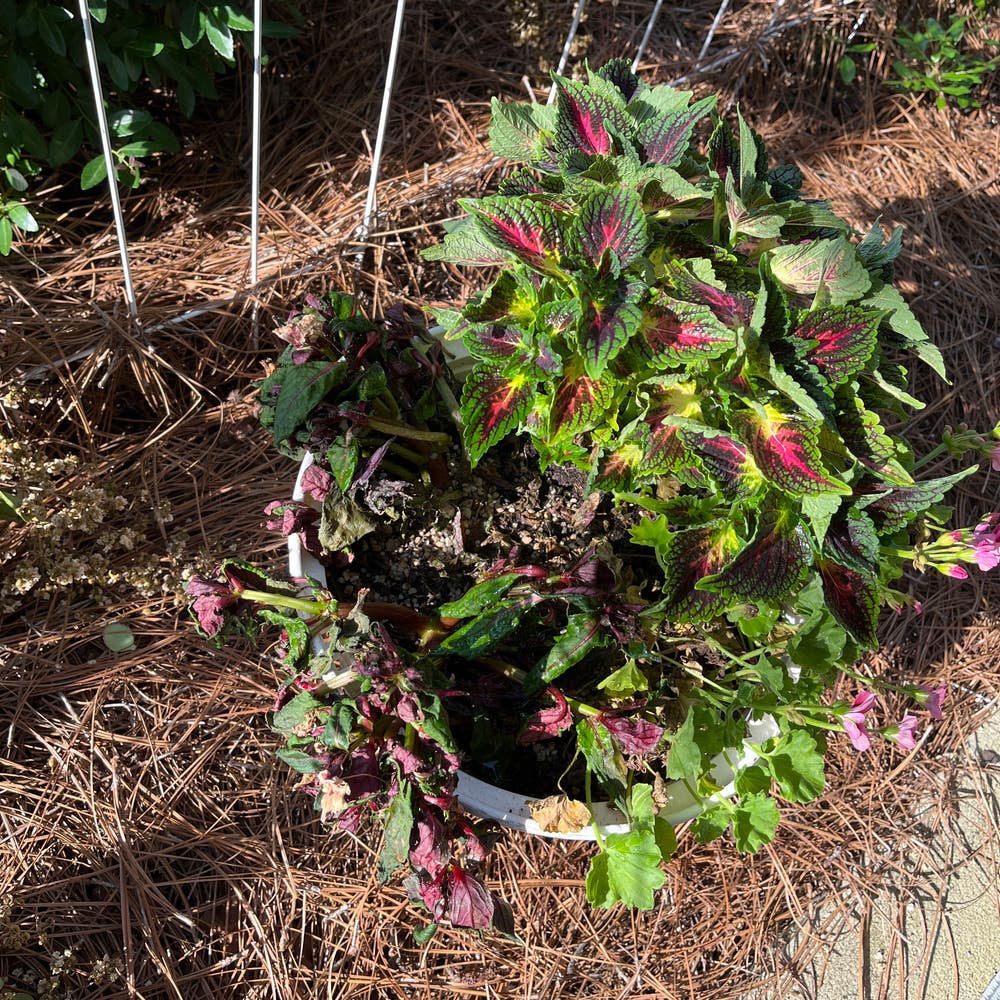
❄️ Top 5 Signs Your Hochstetter's Balsam is Stressed in Winter
Impatiens hochstetteri
By the Greg Editorial Team
Sep 30, 2024•5 min read
This article was created with the help of AI so we can cover more plants for you. May contain errors. See one? Report it here.
Ensure your Hochstetter's Balsam thrives this winter 🌲 with essential care tips for cold weather survival!
- 🌲 Hochstetter's Balsam shows stress through yellowing leaves and wilting.
- ❄️ Protect from frost with cloths and mulch to ensure winter survival.
- 💧 Adjust watering in winter to prevent root rot and support recovery.
Characteristics of Evergreen Behavior in Winter
❄️ Adaptations to Cold
Evergreens, like Hochstetter's Balsam, are remarkable for their ability to retain foliage throughout winter. This characteristic allows them to continue photosynthesis, albeit at a slower rate, even in the cold months.
Their thick, waxy leaves play a crucial role in reducing moisture loss. This adaptation is vital for survival, as it helps them withstand the dry, cold air that can lead to dehydration.
While these plants exhibit high resilience to frost, they still require care to prevent stress. Regular monitoring and appropriate winter care can make a significant difference in their health during this challenging season.
Understanding these adaptations not only highlights the beauty of evergreens but also emphasizes the importance of proper care. By recognizing their needs, you can ensure your Hochstetter's Balsam thrives even in winter's harshest conditions.
As we explore the signs of stress in winter, keep these adaptations in mind to better understand how to support your plant.
Signs of Stress in Winter
🌿 Identifying Leaf Discoloration
One of the first signs your Hochstetter's Balsam is stressed during winter is leaf discoloration. You may notice yellowing or browning leaves, which often indicate nutrient deficiencies or environmental stressors.
💧 Recognizing Wilting or Drooping
Another critical sign is wilting or drooping leaves. If the leaves appear limp, it could be due to inadequate watering or exposure to extreme cold.
📉 Observing Stunted Growth
Stunted growth is another indicator of stress. Look for a lack of new growth or smaller leaf sizes, which can result from poor light conditions or nutrient deficiencies.
🐜 Noticing Pest Infestations
Winter can also bring unwanted guests like pests. Common culprits include aphids, spider mites, and scale insects, which leave behind visible pests, sticky residue, or webbing on leaves.
Recognizing these signs early can help you take action to restore your plant's health. Next, let’s explore effective winter care techniques to keep your Hochstetter's Balsam thriving.
Winter Care Techniques
❄️ Frost Protection Methods
Protecting your Hochstetter's Balsam from frost is crucial for its survival. Covering the plants with frost cloths or burlap can provide a warm barrier against freezing temperatures.
Using mulch around the base helps insulate the roots, keeping them cozy. Additionally, creating windbreaks with fences or shrubs can shield your plants from harsh winter winds, reducing stress.
💧 Adjusting Watering Schedules for Winter
In winter, it's essential to adjust your watering routine. Reduce the frequency to prevent root rot, as the plant's water needs decrease during dormancy.
Watch for signs of overwatering, such as yellowing leaves and mushy roots. A good rule of thumb is to water only when the top inch of soil feels dry to the touch.
🌱 Modifying Fertilizing Practices During Dormancy
During the winter months, your fertilizing practices should also change. It's best to reduce or eliminate fertilization while the plant is dormant.
This helps conserve nutrients and prevents buildup in the cold soil. Remember, less is often more when it comes to feeding your plant during this resting period.
Transitioning into spring care will be essential for your plant's recovery and growth.
Indoor Winter Care
Best Practices for Bringing Indoors 🌱
Timing is crucial when transitioning your Hochstetter's Balsam indoors. Aim to bring it inside before the first frost hits, as this helps prevent shock and stress.
When selecting a container, prioritize adequate drainage and size. A pot that allows for root growth will keep your plant healthy and thriving during the winter months.
Light and Humidity Requirements for Indoor Care 💧
Your plant craves bright, indirect sunlight to flourish indoors. Position it near a window that filters harsh rays to maintain its vibrant foliage.
Humidity is another key factor for indoor care. Aim to keep humidity levels between 40-60%, using humidifiers or pebble trays to create a cozy environment for your plant.
By following these indoor care tips, you can help your Hochstetter's Balsam thrive even in the colder months. Next, let’s explore how to prepare for spring growth and recovery from winter stress.
Spring Preparation and Recovery
🌱 Signs of Recovery from Winter Stress
As winter fades, look for signs that your Hochstetter's Balsam is bouncing back. New leaf growth and vibrant colors are excellent indicators of recovery.
Regular monitoring is crucial during this phase. Keep an eye out for pests and assess the overall health of your plant to ensure it continues thriving.
🌼 Preparing for Spring Growth
To prepare your plant for the warmer months, gradually increase watering. This helps the roots adjust without overwhelming them.
Resuming fertilization is also key. Start with a diluted solution to give your plant a gentle boost as it awakens from dormancy.
✂️ Tips for Rejuvenating Damaged Plants
Pruning is essential for rejuvenation. Remove any dead or damaged foliage to encourage fresh growth and improve air circulation.
Nutrient replenishment plays a vital role in recovery. Use balanced fertilizers to support your plant's health as it regains strength.
Lastly, don’t forget to monitor for pests. Regular inspections can prevent infestations and ensure your plant remains healthy during its recovery.
As you prepare for spring, remember that patience and care will lead to a flourishing Hochstetter's Balsam. Transitioning into the growing season is an exciting time, and your efforts will pay off with a vibrant, healthy plant.
⚠️ Safety First
This content is for general information and may contain errors, omissions, or outdated details. It is not medical, veterinary advice, or an endorsement of therapeutic claims.
Always consult a qualified healthcare professional before using any plant as food, medicine, or supplement.
Never eat any plant (or feed one to pets) without confirming its identity with at least two trusted sources.
If you suspect poisoning, call Poison Control (800) 222-1222, the Pet Poison Helpline (800) 213-6680, or your local emergency service immediately.
Spotted an error? Please report it here.
Keep your Hochstetter's Balsam thriving this winter ❄️ with Greg's tailored care tips and reminders, ensuring it bounces back beautifully in spring!