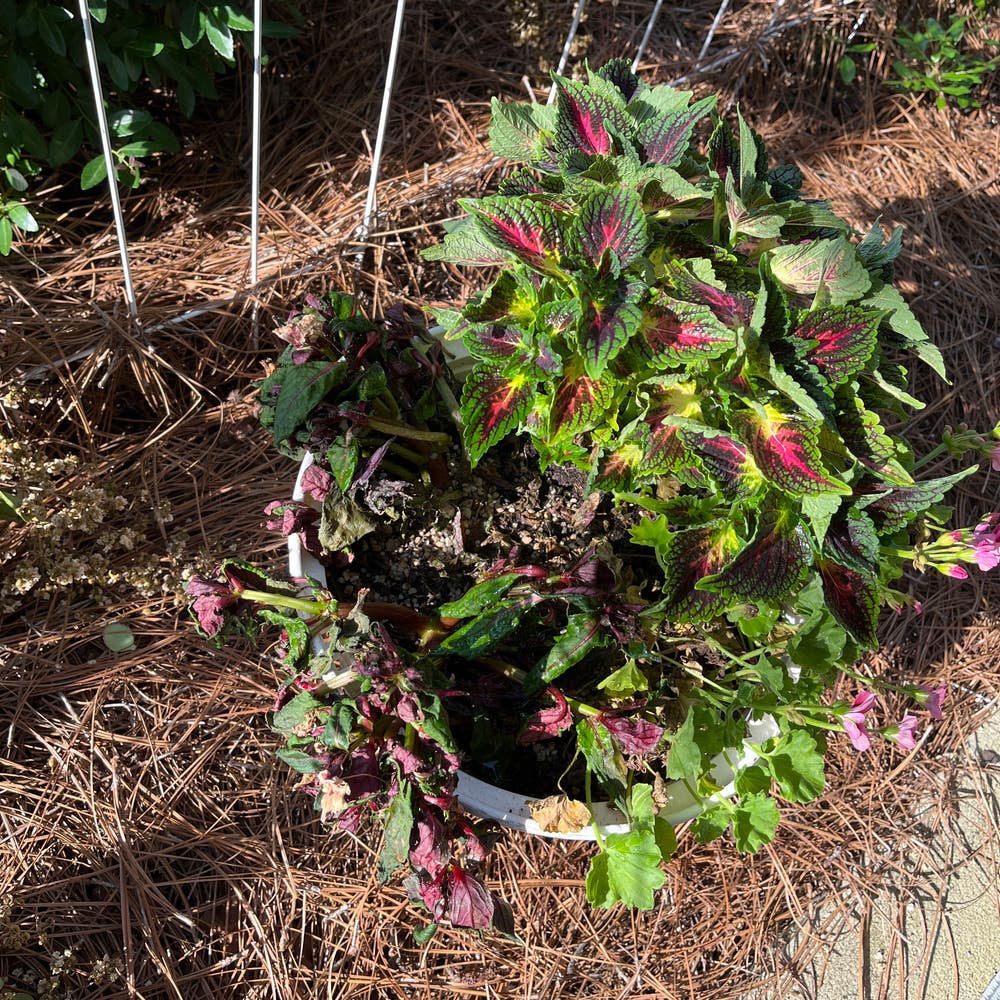
Black Spots on My Impatiens hochstetteri Leaves
Impatiens hochstetteri
By the Greg Editorial Team
Mar 24, 2024•5 min read
This article was created with the help of AI so we can cover more plants for you. May contain errors. See one? Report it here.
Rescue your Impatiens hochstetteri from black spot blight and keep them thriving with these essential care tips! 🌿
- Black spots signal distress, often accompanied by yellowing leaves.
- Fungal and bacterial causes differ in appearance and treatment.
- Prevention is key: proper spacing, watering, and cleanliness.
Spotting Trouble: Recognizing Black Spots on Your Impatiens
🕵️ What Do Black Spots Look Like?
Black spots on Impatiens hochstetteri are the plant's version of a distress flare. Shape and size vary, but they typically start as small, dark specks under ⅛ inch in diameter. These spots may be circular or irregular, often with a texture that stands out from the healthy leaf surface. When they sport dark margins or concentric rings, it's time to sit up and take notice—your impatiens are crying out for help.
🕵️ Where to Look for Black Spots
The underside of leaves is a favorite hideout for these pesky spots. Don't be fooled by their initial subtlety; they're prone to expansion, merging into larger areas of damage. Yellowing of the leaf often accompanies the black spots, adding to the visual cue that all is not well. Regular leaf-flipping inspections are non-negotiable. Remember, spots that are static could be natural variegation or damage, but those that spread are a clear sign of an underlying issue.
The Usual Suspects: Pinpointing the Cause
🍄 Fungal Foes
Downy mildew and botrytis blight are like the Bonnie and Clyde of the fungal world, wreaking havoc on your Impatiens hochstetteri. Downy mildew starts as a yellow to white pattern on top of leaves, with a white or gray mold partying on the underside. It's a fan of the cooler seasons, so keep an eye out in early spring or late fall.
Botrytis blight prefers to brown your plant's leaves and is known to crash the flower party too, leading to their untimely demise. It's the kind of guest that leaves a mess, with a gray mold that's anything but decorative.
🦠 Bacterial Bullies
Bacterial leaf spot is less of a crowd but no less nasty. Look for water-soaked spots that evolve into a brown or black color. These spots are the wallflowers of the plant disease dance, lacking the yellow halo of their fungal counterparts and often sporting a greasy sheen. When things get really bad, they might ooze or smell, signaling it's time to get serious about plant healthcare.
The Plant Doctor Is In: Diagnosing Black Spots
🕵️ Symptoms Checklist
Black spots on Impatiens hochstetteri leaves are a cry for help, but they're not solo artists. Look for accompanying signs like yellowing leaves, stunted growth, or a general look of despair in your plant. Fungal infections might bring a powdery or crusty texture to the party, while bacterial infections prefer a slimy, water-soaked vibe.
🕵️ Fungal vs. Bacterial: Making the Call
Diagnosing the cause of black spots is like playing detective. Fungal issues often show up with a dramatic flair—think circular spots with a powdery halo or a bull's-eye pattern. They're the show-offs. Bacterial spots, meanwhile, are the sneaky kind, presenting as soggy, water-soaked lesions, sometimes with a foul odor if you lean in close enough. If you're still scratching your head, don't play guessing games; get a plant pathologist on speed dial or hit up resources like the Cornell Plant Clinic Factsheet. Remember, the right diagnosis leads to the right treatment, and we're not in the business of playing roulette with plant health.
Nip It in the Bud: Treating Black Spots
🍄 Fungus Among Us: Fighting Back
When black spots invade your Impatiens hochstetteri, it's time to declare war with fungicides. First, ensure you're dealing with a fungus; look for those telltale irregular spots. Got 'em? Good. Now, grab your fungicide—neem oil for the organic aficionados or a baking soda concoction for the DIY crowd (1 tablespoon per gallon of water, a squirt of soap). Apply weekly, hitting every leaf, both sides. It's like giving your plants a protective armor. Rotate your fungicides to keep those pesky fungi on their toes; don't let them build resistance. Suit up for safety, and follow the reapplication schedule religiously.
🦠 Bacteria Be Gone: Clean-Up Crew
If bacteria are your culprits, it's cleanup time. Think of copper-based fungicides as your plant's antibiotics. Read that label like it's a treasure map, and apply with gusto—every leaf, every angle. Then, with the precision of a bonsai master, prune the infected parts. Sterilize your tools first; we're not savages. Dispose of the clippings like they're radioactive; in the plant world, they might as well be. Adjust your plant care routine—more air, less water on the leaves, and room to breathe. Prevention is the best medicine, but when bacteria strike, swift and thorough action is your best bet.
Keep It Clean: Preventing Future Outbreaks
🌱 Cultural Practices
Spacing is your plant's personal bubble. Just like people, plants need their space to avoid catching something nasty. Ensure your Impatiens hochstetteri aren't packed in like commuters on a rush-hour train. Airflow is the unsung hero in the garden; it keeps the environment less hospitable for diseases.
Watering is a fine art. Aim for the soil, not the leaves, because wet foliage is a fungal fiesta waiting to happen. Water when the soil feels like a wrung-out sponge—moist but not soggy. Early morning is the VIP time slot for watering, giving leaves all day to dry out.
👀 Vigilance and Care
Routine checks are your garden's security system. Be the hawk, always on the lookout for the first signs of trouble. If you spot something off, act fast—like a plant's personal SWAT team. Early intervention can mean the difference between a minor hiccup and a full-blown plant epidemic.
Cleanliness isn't just for your hands; it's for your garden tools too. Sterilize them like a surgeon prepping for operation. Fallen leaves and debris? They're not just untidy; they're disease dens. Clear them out regularly, and think of it as taking out the trash.
Remember, prevention isn't just a one-off job; it's a lifestyle for your garden. Keep at it, and your Impatiens hochstetteri will thank you with spotless leaves and vibrant blooms.
⚠️ Safety First
This content is for general information and may contain errors, omissions, or outdated details. It is not medical, veterinary advice, or an endorsement of therapeutic claims.
Always consult a qualified healthcare professional before using any plant as food, medicine, or supplement.
Never eat any plant (or feed one to pets) without confirming its identity with at least two trusted sources.
If you suspect poisoning, call Poison Control (800) 222-1222, the Pet Poison Helpline (800) 213-6680, or your local emergency service immediately.
Spotted an error? Please report it here.
Eradicate black spots 🍂 on your Impatiens with early detection and preventative care tips from Greg's vigilant community and custom reminders!