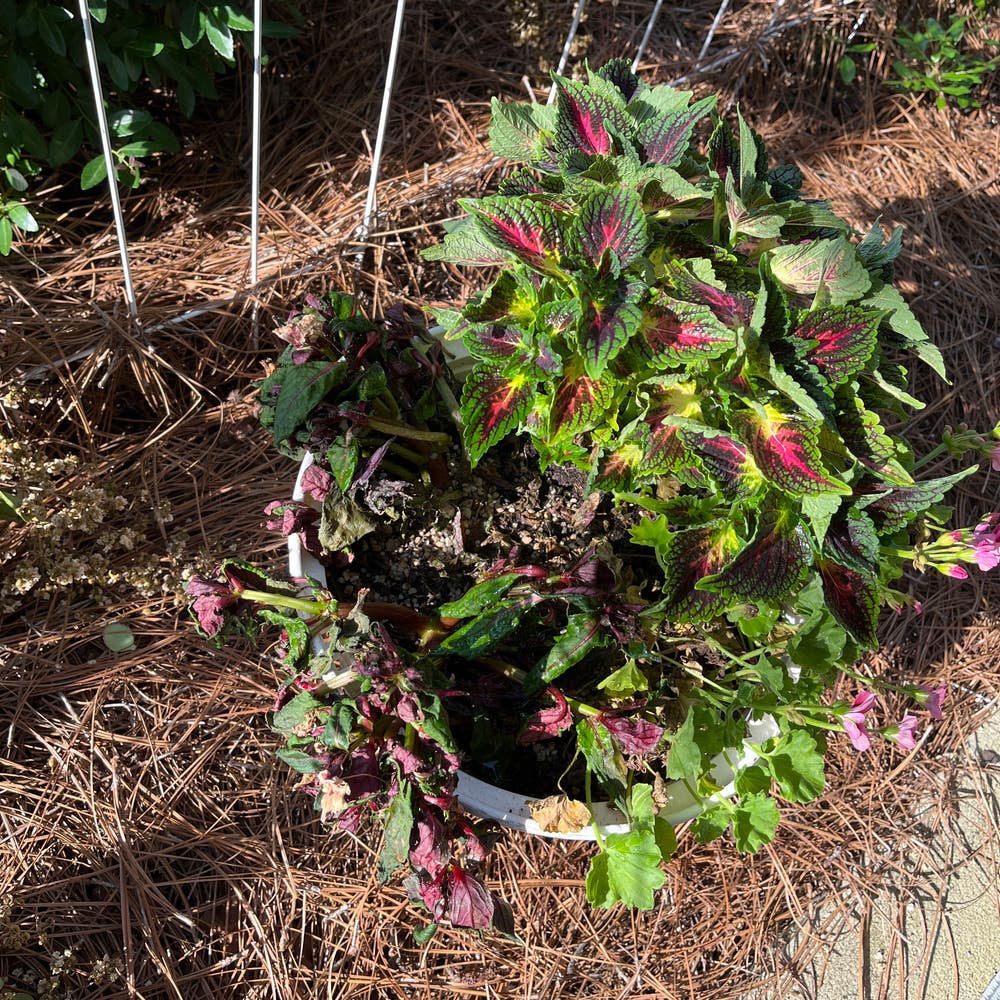
🤒 Why Are There Brown Spots on My Impatiens hochstetteri?
Impatiens hochstetteri
By the Greg Editorial Team
Mar 24, 2024•4 min read
This article was created with the help of AI so we can cover more plants for you. May contain errors. See one? Report it here.
Banish brown spots 🍂 on your Impatiens and ensure their vibrant health with our expert care guide!
- Early detection is key to effectively treating brown spots on Impatiens.
- Fungal, bacterial, or environmental causes - know the signs and differences.
- Prevent with good care: air circulation, drainage, and regular monitoring.
Spotting the Trouble: Recognizing Brown Spots
🕵️♂️ Visual Symptoms
Brown spots on Impatiens hochstetteri are like unwelcome guests at a garden party: they show up uninvited and can be a hassle to get rid of. Distinct edges or a yellowish halo around the spots are your visual cues that there's trouble brewing. These spots can range from tiny specks to large blotches, and their placement on the leaf—whether center, edge, or underside—can offer hints about the underlying issue.
🕵️♂️ Early Detection
Catching these pesky spots early is like finding a leak before it floods the basement—it's a game-changer. Regular plant check-ups are your best defense; think of them as routine health screenings for your green buddy. Keep an eye out for browning tips or unusual leaf texture. If the spots are spreading or changing, it's time to switch from plant parent to plant detective. Remember, early detection can mean the difference between a quick fix and a plant obituary.
Rooting Out the Causes
🍄 Fungal Foes
Fungi are silent invaders, often leaving their mark on Impatiens hochstetteri as unsightly brown spots. Fusarium and Phytophthora are the usual suspects. Their calling card? Powdery or fuzzy growths on leaves and stems. Remember, these organisms thrive in dampness; hence, ensuring good air circulation is crucial to keep them at bay.
🦠 Bacterial Baddies
Bacterial infections can be trickier to diagnose, as they often mimic fungal damage. However, bacterial spots tend to be water-soaked and may have a slimy texture. Unlike fungi, bacteria can rapidly spread throughout the plant, requiring swift action to prevent a full-blown epidemic.
🌿 Environmental or Pest Problems?
Not all brown spots are the work of microbes. Sometimes, environmental stress like overwatering or poor drainage can cause similar symptoms. Pests, too, can leave behind tell-tale signs of damage that resemble disease. Vigilance is key—inspect regularly and adjust care practices to address these non-disease factors.
Crafting the Cure: Treatment Strategies
🍄 Fungicide to the Rescue
When brown spots invade your Impatiens hochstetteri, think of fungicides as your garden's paramedics. Timing is critical; apply at the first hint of trouble. Go for copper-based fungicides or biocontrol agents like neem oil, but don't just splash it on. Coverage should be even and comprehensive, like frosting a cake—minus the temptation to lick the spoon. Suit up in safety gear; this isn't a fashion statement, it's about not turning yourself into a science experiment. Rotate your fungicides; keep those fungi on their toes, never letting them get comfortable.
💥 Battling Bacteria
When bacteria come knocking, it's time to channel your inner surgeon. Prune infected areas with precision, and sterilize your tools after each cut—think less gardener, more OR nurse. Copper-based bactericides are your go-to, but they're not magic bullets. Tailor your bactericide to the enemy you're facing, and apply it with the strategy of a chess grandmaster. Remember, overuse is like handing out antibiotics for a cold; it just doesn't make sense. Rotate products to sidestep resistance, and always—always—follow the label like it's the secret recipe to your grandma's legendary cookies.
Keeping Your Impatiens Spot-Free
🌱 Cultural Practices
Adjusting care routines is crucial to prevent future outbreaks of brown spots on your Impatiens hochstetteri. Embrace a holistic approach to plant health, starting with the soil. Ensure you're using a well-draining potting mix and pots that allow for proper aeration, like those made of unglazed clay. Overwatering is a common misstep; water only when the top inch of soil is dry to the touch.
Hygiene can't be overstated. Sterilize your tools—think of it as handwashing for gardeners. Remove and dispose of any infected foliage immediately, and avoid wetting the leaves during watering to prevent fungal and bacterial diseases from taking hold. Good air circulation is like personal space for your plants; it lets them breathe and thrive, reducing disease risk.
🕵️ Monitoring and Maintenance
Regular inspections are non-negotiable. Be the ever-watchful guardian of your Impatiens, catching early signs of trouble before they escalate. Keeping a log can help track changes and patterns over time.
If you spot brown spots, act swiftly. Prune affected foliage with sterilized tools to prevent the spread of disease. Ensure there's enough space between plants for air to circulate freely. Overcrowding invites trouble.
Seasonal adjustments to care routines are key. As temperatures and humidity levels change, so should your watering and maintenance strategies. Use a hygrometer to monitor humidity, and adjust as needed to keep those pesky brown spots at bay.
Remember, the best defense is a good offense. Keep your Impatiens happy and healthy, and they'll be less likely to succumb to brown spots.
⚠️ Safety First
This content is for general information and may contain errors, omissions, or outdated details. It is not medical, veterinary advice, or an endorsement of therapeutic claims.
Always consult a qualified healthcare professional before using any plant as food, medicine, or supplement.
Never eat any plant (or feed one to pets) without confirming its identity with at least two trusted sources.
If you suspect poisoning, call Poison Control (800) 222-1222, the Pet Poison Helpline (800) 213-6680, or your local emergency service immediately.
Spotted an error? Please report it here.
Keep your Impatiens hochstetteri thriving 🌿 with Greg's tailored care reminders, ensuring early detection and prevention of those troubling brown spots!