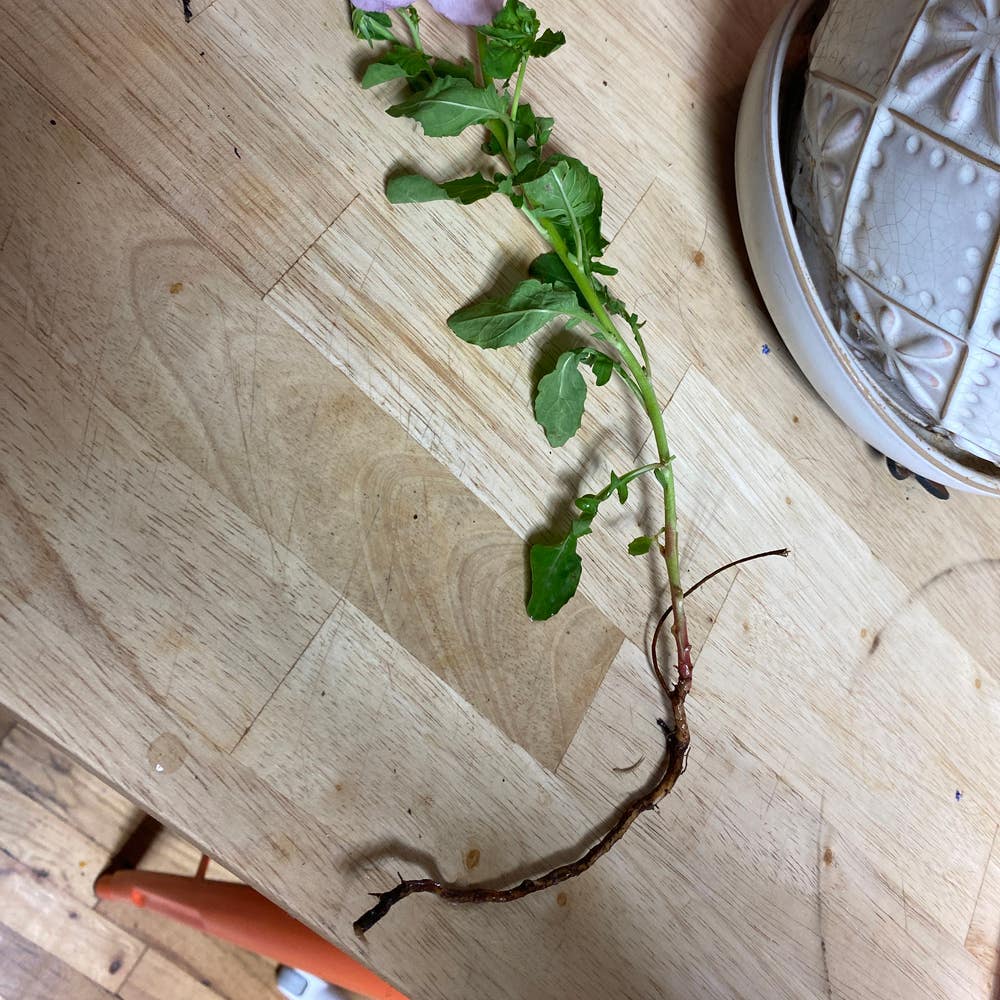
Best Climate for Evening Primrose: Zones 4a-8b ☀️
Oenothera pilosella
By the Greg Editorial Team
Oct 04, 2024•5 min read
This article was created with the help of AI so we can cover more plants for you. May contain errors. See one? Report it here.
Master Evening Primrose's temperature tolerance 🌼 for vibrant blooms and a thriving garden all year round!
- 🌱 Evening Primrose thrives in USDA zones 4a-8b, tolerating cold and light frosts.
- ☀️ Optimal growth occurs between 60°F and 80°F, with full sun for vibrant blooms.
- 🌧️ Well-draining sandy or loamy soils are essential to prevent root rot and ensure health.
Temperature Tolerance of Evening Primrose
❄️ Cold Tolerance
Evening Primrose thrives in a range of temperatures, typically withstanding lows down to 20°F (-6°C). This resilience makes it a great choice for cooler climates, especially in USDA hardiness zones 4a to 8b.
Frost can be a challenge, but Evening Primrose has developed survival strategies. It can endure light frosts, and planting should ideally occur after the last frost date in spring to ensure healthy growth.
☀️ Heat Tolerance
On the flip side, Evening Primrose also has a tolerance for heat, but it has its limits. Optimal growth occurs below 90°F (32°C); temperatures above this can lead to heat stress, which stunts growth and flowering.
Soil moisture becomes crucial during hot spells. Keeping the soil adequately moist helps the plant cope with high temperatures, ensuring it remains vibrant and healthy.
🌡️ Specific Temperature Ranges for Growth
For successful germination, Evening Primrose prefers temperatures between 60°F and 70°F (15°C to 21°C). As it grows, maintaining temperatures around 70°F to 80°F (21°C to 27°C) is ideal for robust development.
Seasonal temperature variations can significantly impact flowering. Monitoring temperature changes throughout the year can help you plan for optimal planting and care, ensuring your Evening Primrose flourishes in your garden.
Understanding these temperature tolerances is essential for cultivating healthy Evening Primrose. Next, let’s explore the ideal growing regions where this beautiful plant can truly thrive.
Ideal Growing Regions
🌍 Suitable US States
Evening Primrose thrives in USDA hardiness zones 4a-8b, making several states ideal for its growth. Key states include Michigan, Ohio, and Pennsylvania, where the climate and soil conditions align perfectly for this resilient plant.
In Michigan, the fertile soil and moderate temperatures create a welcoming environment. Ohio's diverse landscapes offer various microclimates, while Pennsylvania's rich agricultural history supports robust Evening Primrose populations.
🌱 Factors Contributing to Ideal Conditions
Soil type plays a crucial role in the success of Evening Primrose. Well-draining sandy or loamy soils are preferred, as they prevent waterlogging and promote healthy root development.
Sunlight exposure is equally important. Evening Primrose flourishes in full sun, which enhances flowering and overall vigor. Local climate conditions, such as mild winters and warm summers, further support its growth, making these regions particularly favorable.
Understanding these factors can help gardeners create the perfect environment for Evening Primrose, ensuring vibrant blooms and healthy plants.
As we explore the next section, we'll delve into how microclimates can further enhance the growing potential of Evening Primrose in various regions.
Microclimates and Their Impact
🌍 Definition and Importance
Microclimates are localized areas where the climate differs from the surrounding environment. These variations can be influenced by factors such as topography, urban development, and vegetation.
🌱 Extending Growing Zones
Microclimates can significantly expand the growing zones for plants like Evening Primrose. For instance, areas shielded by hills or buildings can create frost pockets, allowing these plants to thrive even in cooler climates.
Local weather patterns also play a crucial role in microclimate formation. A sunny, south-facing slope may experience warmer temperatures than the surrounding area, making it an ideal spot for Evening Primrose.
🌞 Utilizing Microclimates
To assess microclimate conditions in your garden, observe sunlight patterns and wind exposure. Noting where frost tends to settle can help you identify the best planting spots.
Gardeners can leverage these microclimates by strategically placing Evening Primrose in areas that receive ample sunlight and protection from harsh winds. This approach can lead to healthier plants and more vibrant blooms.
Understanding and utilizing microclimates can make a significant difference in your gardening success, especially for plants like Evening Primrose. With a little observation and planning, you can create the perfect environment for these beautiful flowers to flourish.
State-Level Suitability Analysis
🌱 States in Hardiness Zones 4a-8b
Evening Primrose flourishes in several states within USDA hardiness zones 4a to 8b. Here’s a comprehensive list of states where you can successfully grow this beautiful plant:
- Michigan: Particularly in the southern regions, like Detroit and Grand Rapids.
- Ohio: Areas around Columbus and Cincinnati provide ideal conditions.
- Pennsylvania: The central and eastern parts, including Philadelphia, are great for Evening Primrose.
These states offer the right balance of temperature and soil conditions, making them perfect for cultivating this hardy flower.
🚫 Unsuitable States
While Evening Primrose thrives in many areas, some states fall outside the ideal hardiness zones. Here’s a list of states where growing this plant may be challenging:
- Florida: The extreme heat and humidity can be detrimental.
- Alaska: The cold temperatures and short growing season are not conducive.
- Hawaii: The tropical climate often lacks the necessary temperature variations.
These states experience conditions that can hinder the growth of Evening Primrose.
❌ Reasons for Unsuitability
Several climatic factors contribute to the unsuitability of certain states for Evening Primrose. Here’s a closer look:
- Excessive Heat: States like Florida experience high temperatures that can stress the plant, leading to poor growth.
- Humidity: High humidity levels can promote diseases that affect Evening Primrose, making it difficult to thrive.
- Soil Conditions: Poor drainage in certain areas can lead to root rot, which is detrimental to the plant's health.
Additionally, local pests and diseases can pose significant challenges, further complicating the growth of Evening Primrose in unsuitable regions.
Understanding these factors can help you make informed decisions about where to plant and cultivate Evening Primrose for the best results. As you consider your gardening options, keep in mind the importance of local climate and soil conditions in ensuring a thriving garden.
⚠️ Safety First
This content is for general information and may contain errors, omissions, or outdated details. It is not medical, veterinary advice, or an endorsement of therapeutic claims.
Always consult a qualified healthcare professional before using any plant as food, medicine, or supplement.
Never eat any plant (or feed one to pets) without confirming its identity with at least two trusted sources.
If you suspect poisoning, call Poison Control (800) 222-1222, the Pet Poison Helpline (800) 213-6680, or your local emergency service immediately.
Spotted an error? Please report it here.
Grow vibrant Evening Primrose with ease 🌼 by using Greg's tailored care reminders and tips to match your local climate and soil conditions for thriving blooms!