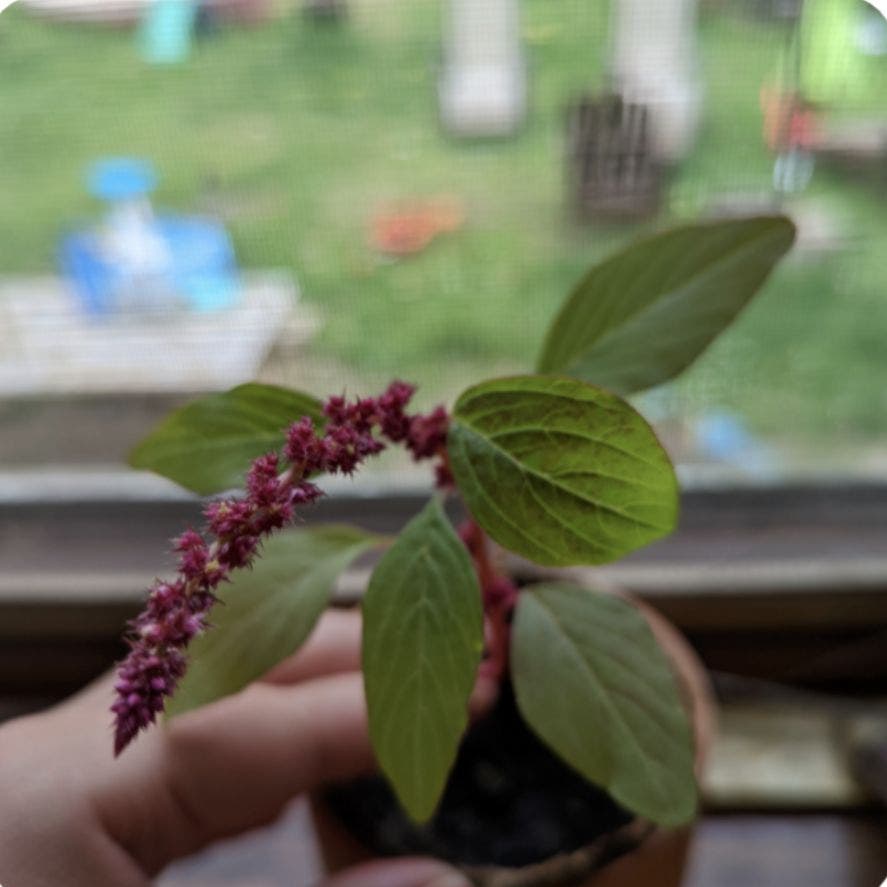
🔍 Step-by-Step Guide to Identifying Pests on Amaranth
Amaranthus creuntus
By the Greg Editorial Team
Oct 10, 2024•5 min read
This article was created with the help of AI so we can cover more plants for you. May contain errors. See one? Report it here.
- 🐛 Identify common pests like spider mites and aphids to protect your amaranth.
- 🔍 Recognize damage signs such as yellowing leaves and sticky residues for early detection.
- 🌱 Healthy plants deter pests; maintain proper care for thriving amaranth.
Common Pests Affecting Amaranth
🕷️ Spider Mites
Identification
Spider mites are tiny, often red or green, and can be spotted as small dots on the leaves. Look for fine webbing on the undersides, a telltale sign of their presence.
Damage Caused
These pests cause yellowing leaves, stippling, and even leaf drop. Their feeding reduces photosynthesis, ultimately weakening the plant's vigor.
Treatment Options
For chemical control, use miticides specifically designed for spider mites. Organic options include neem oil, insecticidal soap, and introducing predatory mites to your garden.
🐜 Aphids
Identification
Aphids are small, pear-shaped insects that can be green or black. Sticky leaves often indicate their presence due to honeydew they excrete.
Damage Caused
They can cause curling leaves and stunted growth, and they may even transmit viruses. This weakens plants and can significantly reduce yield.
Treatment Options
Systemic insecticides are effective for chemical control. For organic methods, consider insecticidal soap, neem oil, or introducing ladybugs to your garden.
🦋 Whiteflies
Identification
Whiteflies are tiny, white, moth-like insects found on the undersides of leaves. Yellowing leaves and honeydew accumulation are common signs of their infestation.
Damage Caused
They lead to leaf yellowing, wilting, and reduced growth. This weakens the plants and can facilitate the spread of diseases.
Treatment Options
Insecticides targeting whiteflies are available for chemical control. Organic solutions include yellow sticky traps and insecticidal soap.
🐛 Mealybugs
Identification
Mealybugs appear as white, cottony masses on stems and leaves. Sticky leaves and potential sooty mold are additional signs of their presence.
Damage Caused
They cause wilting, yellowing leaves, and stunted growth. This can significantly weaken plants and reduce overall yield.
Treatment Options
For chemical control, systemic insecticides are effective. Organic methods include using alcohol wipes, neem oil, and introducing natural predators.
🐞 Scale Insects
Identification
Scale insects manifest as small, brown or black bumps on stems and leaves. Look for sticky leaves and potential sooty mold as indicators.
Damage Caused
They lead to yellowing leaves and reduced vigor. If untreated, they can ultimately cause plant death.
Treatment Options
Chemical options include insecticides specifically targeting scale. For organic control, scrape off the scales and use horticultural oils to manage the infestation.
As you navigate the challenges of pest management, understanding these common pests is crucial. Next, we'll explore preventative measures to keep your amaranth thriving and pest-free.
Prevention
🛡️ Preventative Measures to Avoid Pest Infestations
Regular monitoring is your first line of defense against pests. By keeping a close eye on your amaranth plants, you can catch any issues early and take action before they escalate.
Healthy plants are less attractive to pests. Ensure your amaranth receives proper nutrients, water, and sunlight to build resilience against infestations.
🧼 Tips on Plant Hygiene and Inspection Routines
Clean tools and pots are essential for preventing pest transfer. Always sanitize your gardening equipment to avoid introducing unwanted guests to your plants.
Make it a habit to inspect leaves and soil regularly. Early detection of pests can save your plants from significant damage and keep your garden thriving.
General Pest Management
🌱 Integrated Pest Management (IPM) Principles for Amaranth
Integrated Pest Management (IPM) is a holistic approach to pest control that emphasizes prevention and sustainable practices. For amaranth care, IPM combines cultural, biological, and chemical methods to manage pests effectively while minimizing harm to the environment.
Cultural practices include crop rotation and selecting resistant varieties. Biological methods involve introducing natural predators, like ladybugs for aphids, to keep pest populations in check. Chemical methods should be a last resort, using targeted insecticides only when necessary.
🔍 Importance of Early Detection and Intervention
Recognizing early signs of pest infestations can save your amaranth from severe damage. Regularly inspect your plants for unusual symptoms, such as yellowing leaves or sticky residues.
Timely action is crucial. If you spot pests early, you can often manage them with less invasive methods, preserving both your plants and the ecosystem. Remember, a proactive approach is your best defense against pest problems.
Distinguishing Similar Pests
🕵️♂️ Tips on How to Differentiate Between Similar-Looking Pests
Identifying pests accurately is crucial for effective treatment. Many pests share similar appearances, making it essential to look for specific visual cues.
Visual Cues
- Color and Shape: For instance, aphids are typically pear-shaped and can be green or black, while mealybugs are white and cottony.
- Location: Spider mites often hide on the undersides of leaves, whereas whiteflies are more visible, fluttering around when disturbed.
Characteristics to Note
- Signs of Damage: Yellowing leaves can indicate various pests, but the pattern of damage can help narrow it down.
- Webbing and Honeydew: Fine webbing suggests spider mites, while sticky leaves indicate aphids or whiteflies.
Accurate identification not only helps in choosing the right treatment but also prevents unnecessary pesticide use. Knowing your pests can save your plants and your peace of mind.
🔍 Importance of Accurate Identification for Effective Treatment
Understanding the specific pest affecting your amaranth is vital. Misidentifying a pest can lead to ineffective treatments, wasting time and resources.
Effective Management
- Targeted Solutions: Each pest requires a different approach. For example, neem oil works well against aphids but may not be effective against scale insects.
- Preventing Resistance: Using the wrong treatment can lead to pest resistance, making future infestations harder to control.
By honing your identification skills, you empower yourself to take timely and effective action. This proactive approach not only protects your plants but also enhances your gardening experience.
With these tips in mind, you’re better equipped to tackle pest issues head-on. Next, let’s explore preventative measures to keep your amaranth thriving and pest-free.
⚠️ Safety First
This content is for general information and may contain errors, omissions, or outdated details. It is not medical, veterinary advice, or an endorsement of therapeutic claims.
Always consult a qualified healthcare professional before using any plant as food, medicine, or supplement.
Never eat any plant (or feed one to pets) without confirming its identity with at least two trusted sources.
If you suspect poisoning, call Poison Control (800) 222-1222, the Pet Poison Helpline (800) 213-6680, or your local emergency service immediately.
Spotted an error? Please report it here.
Keep your amaranth thriving and pest-free 🛡️ with Greg's tailored care reminders and expert tips for effective pest management!