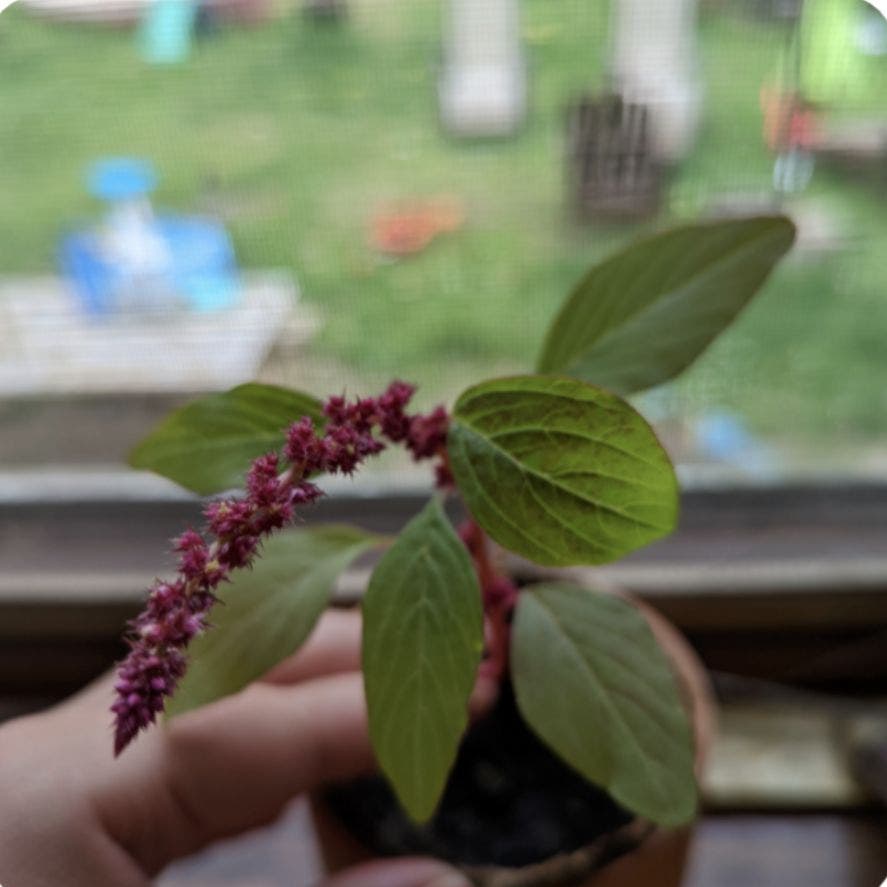
Amaranth Zones
Amaranthus creuntus
By the Greg Editorial Team
Oct 10, 2024•4 min read
This article was created with the help of AI so we can cover more plants for you. May contain errors. See one? Report it here.
- 🌡️ Amaranth thrives best between 70°F to 85°F; avoid frost for optimal growth.
- 🌍 Ideal states for Amaranth include California, Texas, and Florida due to warm climates.
- 🌱 Versatile in USDA zones 2-11, Amaranth adapts to various climates and conditions.
Temperature Tolerance of Amaranth
❄️ Cold Tolerance
Amaranth can tolerate temperatures as low as 50°F (10°C). However, it is highly sensitive to frost, making it crucial to protect the plants from the first frost of the season.
☀️ Heat Tolerance
On the flip side, Amaranth thrives in heat, with a maximum tolerance of up to 100°F (37.8°C). This warmth is essential for its optimal growth and development.
🌡️ Specific Temperature Ranges
The ideal temperature range for Amaranth lies between 70°F to 85°F (21°C to 29°C). Fluctuations outside this range can significantly affect growth, so maintaining stable conditions is key for successful cultivation.
Understanding these temperature tolerances helps in planning your Amaranth planting effectively. Next, let’s explore the ideal growing regions for this resilient plant.
Ideal Growing Regions
🌍 Examples of Suitable US States
Amaranth thrives in several states across the U.S.
- California boasts a long growing season and a warm climate, making it ideal for Amaranth cultivation.
- Texas offers diverse climates, allowing for various Amaranth varieties to flourish.
- Florida enjoys warm temperatures and extended growing periods, providing excellent conditions for this resilient plant.
🌱 Factors Contributing to Ideal Conditions
The success of Amaranth is influenced by specific environmental factors.
- Soil Type: Amaranth prefers well-drained, nutrient-rich soils that support robust growth.
- Climate: Long growing seasons with minimal frost are crucial for maximizing yield and quality.
📊 Comparison of Regions
Understanding the differences in climate can help optimize Amaranth cultivation.
- Temperature Variations: Regions differ significantly in temperature, which affects growth rates and harvest times.
- Humidity Levels: Humidity can influence disease pressure and overall plant health, making it essential to choose the right location.
By recognizing these factors, growers can select the best regions for successful Amaranth cultivation. This knowledge sets the stage for exploring microclimates and their unique advantages in the next section.
Microclimates and Amaranth
🌍 Impact of Microclimates
Microclimates can significantly expand the potential for growing Amaranth beyond typical hardiness zones. These localized conditions often create a more favorable environment for this resilient plant.
🌆 Examples of Favorable Microclimates
Urban areas are prime examples, as they tend to retain heat, creating warmer growing conditions. Additionally, valleys can offer protection from harsh winds and frost, making them ideal spots for Amaranth cultivation.
In these unique environments, Amaranth can thrive even when surrounding areas may not support its growth. Understanding these microclimates can empower gardeners and farmers to maximize their yields.
As we explore the broader context of state-level suitability for Amaranth, consider how these localized conditions can influence your planting decisions.
State-Level Suitability
Suitable States for Amaranth 🌱
Amaranth thrives in USDA zones 2-11, making it versatile for various climates. States like California, Texas, and Florida stand out due to their favorable conditions for Amaranth cultivation.
California boasts a long growing season and warm climate, perfect for this resilient plant. Texas offers diverse climates, allowing for a range of Amaranth varieties to flourish. Florida's warm temperatures and extended growing periods further enhance its suitability for growing Amaranth.
Unsuitable States and Reasons ❄️
On the flip side, states in colder USDA zones, such as North Dakota and Minnesota, face challenges for Amaranth growth. Extreme cold and short growing seasons hinder the plant's ability to thrive, making these regions less ideal.
The harsh winters in these areas can lead to frost damage, which is detrimental to Amaranth. Therefore, gardeners in these states should consider alternative crops better suited to their climate.
Frost Dates and Their Impact 📅
Understanding frost dates is crucial for successful Amaranth cultivation. The first and last frost dates dictate when to plant and when to harvest, significantly impacting growth.
To protect Amaranth from frost damage, consider using row covers or planting in raised beds. These strategies can help extend the growing season and ensure a bountiful harvest.
As we explore the next section, we'll delve into the fascinating world of microclimates and how they can enhance Amaranth cultivation even in less-than-ideal conditions.
⚠️ Safety First
This content is for general information and may contain errors, omissions, or outdated details. It is not medical, veterinary advice, or an endorsement of therapeutic claims.
Always consult a qualified healthcare professional before using any plant as food, medicine, or supplement.
Never eat any plant (or feed one to pets) without confirming its identity with at least two trusted sources.
If you suspect poisoning, call Poison Control (800) 222-1222, the Pet Poison Helpline (800) 213-6680, or your local emergency service immediately.
Spotted an error? Please report it here.
Unlock a bountiful Amaranth harvest 🌱 by using Greg's tailored care tips to navigate your local climate and maximize your growing success!