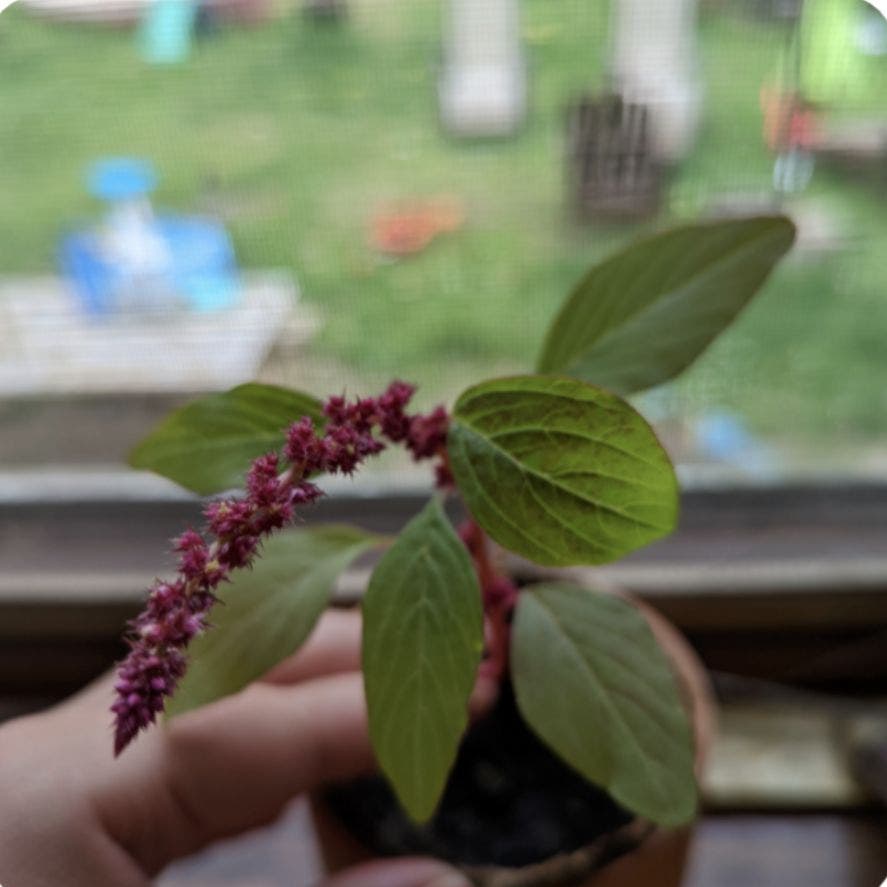
3 Facts About Amaranth Lifecycle
Amaranthus creuntus
By the Greg Editorial Team
Oct 10, 2024•5 min read
This article was created with the help of AI so we can cover more plants for you. May contain errors. See one? Report it here.
- 🌱 Amaranth's lifecycle includes five stages: germination, seedling, vegetative, flowering, and seed production.
- 🌞 Optimal germination requires 70°F-85°F temperatures and moist, well-draining soil for 5-10 days.
- 🌼 Amaranth matures in 70-120 days, thriving in diverse conditions with minimal care.
Stages of Growth
🌱 Germination Stage
Germination is the first crucial step in the lifecycle of amaranth. Typically, this stage lasts 5-10 days, requiring optimal conditions like a temperature range of 70°F to 85°F (21°C to 29°C) and consistently moist soil that isn't waterlogged.
During germination, notable changes occur. The cotyledons, or first leaves, emerge, signaling the plant's initial growth. Simultaneously, the root system develops, establishing anchorage and enabling nutrient uptake.
🌿 Seedling Stage
Following germination, the seedling stage lasts about 2-3 weeks. Here, you'll notice small, tender leaves sprouting, with the plant reaching a height of 2-4 inches.
Seedlings have specific environmental needs. They thrive in full sun, requiring 6-8 hours of sunlight daily, and prefer well-draining, nutrient-rich soil to support their growth.
🌳 Vegetative Growth Stage
The vegetative growth stage spans 4-6 weeks and is marked by rapid leaf development. During this time, plants can grow to heights of 1-3 feet.
To support this growth, amaranth requires balanced fertilization. Applying a balanced NPK fertilizer every 4-6 weeks and ensuring regular watering to maintain soil moisture are essential for healthy development.
🌸 Flowering Stage
Next comes the flowering stage, lasting 2-4 weeks. This is when vibrant flowers appear, showcasing colors like red, yellow, and green.
Pollination plays a significant role during this stage. Amaranth can self-pollinate, but attracting pollinators enhances seed set and genetic diversity, making it a vital process for successful reproduction.
🌾 Seed Production Stage
The final stage is seed production, which occurs 4-6 weeks post-flowering. During this time, seed heads develop, producing numerous small seeds.
Timing is crucial for seed harvesting. It's best to harvest when seed heads turn brown and dry. Depending on your needs, you can choose to hand-harvest or use tools for larger quantities, ensuring a successful yield.
This journey through the stages of growth highlights the resilience and adaptability of amaranth. Each phase is essential for the plant's lifecycle, setting the stage for the next topic: the overall growth timeline.
Growth Timeline
The overall lifespan of Amaranth is quite impressive, typically ranging from 70 to 120 days from seed to maturity. This quick turnaround makes it a favorite among gardeners looking for fast-growing crops.
⏳ How Long Until Amaranth is Fully Grown?
On average, Amaranth reaches full maturity in about 70 to 120 days, depending on the variety and growing conditions. Factors like soil quality, temperature, and moisture can all influence this timeline.
📊 Summary of Growth Stages and Their Durations
Understanding the growth stages of Amaranth helps in planning your gardening efforts. Here’s a quick breakdown:
- Germination: 5-10 days
- Seedling: 2-3 weeks
- Vegetative: 4-6 weeks
- Flowering: 2-4 weeks
- Seed Production: 4-6 weeks
Each stage is crucial for the plant's development, contributing to its overall health and productivity. By keeping track of these durations, you can ensure optimal care and harvesting at the right time.
As you navigate through these stages, remember that each phase builds upon the last, leading to a vibrant and fruitful Amaranth plant. Next, we’ll explore the notable changes throughout the lifecycle that make this plant so fascinating.
Notable Changes Throughout Lifecycle
🌱 Physical Changes in the Plant
As Amaranth progresses through its lifecycle, it undergoes significant physical transformations. It starts as a small seedling and can grow into a towering plant, reaching heights of 6 to 8 feet.
The development of vibrant flowers and seed heads is particularly striking. These colorful blooms not only enhance the plant's aesthetic appeal but also play a crucial role in its reproductive success.
🍽️ Changes in Nutrient Requirements
Nutritional needs evolve as the plant matures. During the vegetative and flowering stages, Amaranth experiences increased nutrient uptake, which is vital for robust growth.
Balanced fertilization becomes essential at this stage. Providing the right nutrients ensures that the plant thrives and produces a bountiful harvest.
🌍 Environmental Adaptations
Amaranth is remarkably adaptable, thriving in a variety of soil types and conditions. This resilience allows it to flourish even in less-than-ideal environments.
Moreover, the plant shows a strong ability to withstand varying weather patterns. Its hardiness makes it a reliable choice for gardeners and farmers alike, regardless of local climate challenges.
In summary, the lifecycle of Amaranth is marked by notable physical changes, evolving nutrient needs, and impressive environmental adaptability. Understanding these aspects can help you cultivate this resilient plant successfully.
Next, let's explore the growth timeline to see how long it takes for Amaranth to reach maturity.
FAQs about Growth
🌱 How Fast Does Amaranth Grow?
Amaranth is a fast-growing plant, typically maturing in about 70 to 120 days from seed to harvest. Factors like soil quality, temperature, and watering practices can influence this growth rate significantly.
🤔 Common Misconceptions About Growth Stages
Many people believe that Amaranth requires extensive care throughout its lifecycle. In reality, it’s quite resilient and can thrive in various conditions, making it easier to grow than some might think.
🧙♂️ Clarifying Myths Regarding Growth Duration and Environmental Needs
A common myth is that Amaranth needs constant attention to flourish. While it does benefit from good soil and sunlight, it’s adaptable and can handle fluctuations in care, which makes it a great choice for both novice and experienced gardeners.
Understanding these aspects can help you cultivate Amaranth more effectively, ensuring a successful harvest. As we move forward, let's explore the notable changes that occur throughout the Amaranth lifecycle.
⚠️ Safety First
This content is for general information and may contain errors, omissions, or outdated details. It is not medical, veterinary advice, or an endorsement of therapeutic claims.
Always consult a qualified healthcare professional before using any plant as food, medicine, or supplement.
Never eat any plant (or feed one to pets) without confirming its identity with at least two trusted sources.
If you suspect poisoning, call Poison Control (800) 222-1222, the Pet Poison Helpline (800) 213-6680, or your local emergency service immediately.
Spotted an error? Please report it here.
Master the lifecycle of Amaranth 🌿 and let Greg's tailored care reminders guide you to a thriving harvest with every growth stage!