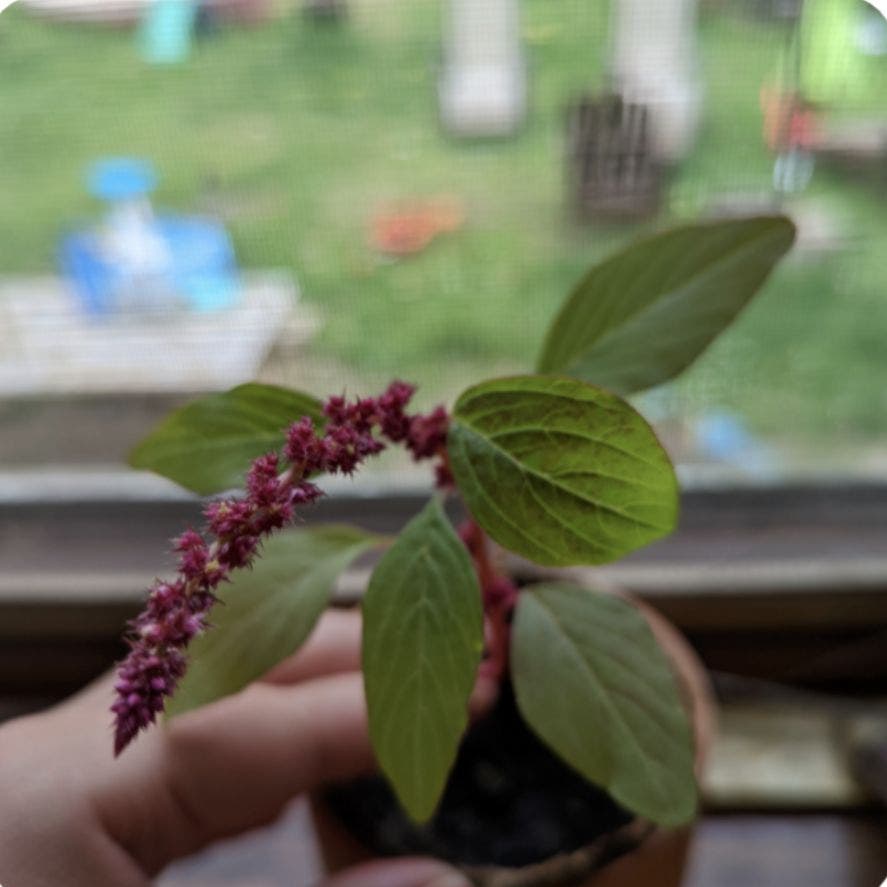
📏 Amaranth Growth: Height vs. Width
Amaranthus creuntus
By the Greg Editorial Team
Oct 10, 2024•6 min read
This article was created with the help of AI so we can cover more plants for you. May contain errors. See one? Report it here.
- 🌱 Amaranth grows 2 to 8 feet tall, varying by type and conditions.
- 🌞 Full sun and consistent moisture are essential for optimal growth.
- 🌿 Dwarf varieties suit small gardens, reaching only 1 to 2 feet high.
Mature Height and Width
Height 🌱
Amaranth plants can reach impressive heights, ranging from 2 to 8 feet, depending on the variety and growing conditions. The choice between dwarf and giant varieties plays a significant role in determining how tall your plants will grow.
Several environmental factors also influence height. Soil quality, light exposure, and watering practices are crucial for achieving optimal growth. For instance, nutrient-rich soil and ample sunlight can help your plants reach their full potential.
Width 📏
When it comes to width, some amaranth varieties can spread up to 3 feet. This variability is largely due to the growth habits of the plants.
Amaranth can exhibit bushy or upright growth forms, which affects how wide they become. Additionally, the spacing during planting is vital; closer spacing can lead to more competition for resources, impacting the final width of your plants.
Understanding these dimensions is essential for effective garden planning. With the right variety and care, you can cultivate amaranth that not only thrives in height but also fills out beautifully in width.
As we explore the growth rate of amaranth, you'll discover how quickly these plants can reach their mature size.
Growth Rate
Growth Rate Overview 🌱
Amaranth is known for its rapid growth, with some species reaching full size in as little as 60 days. This quick turnaround makes it an attractive option for gardeners looking for fast results.
Factors Affecting Growth Rate ⚡️
Several factors influence how quickly your Amaranth will grow.
- Soil Fertility: Nutrient-rich soils are key to promoting faster growth.
- Water Availability: Consistent moisture is essential; it can significantly enhance growth speed.
Measuring Growth Rate 📏
Tracking the growth of your Amaranth is straightforward and rewarding.
- Regular Measurements: Take height and width measurements at consistent intervals.
- Leaf Development: Keep an eye on leaf growth and overall plant vigor to gauge health.
By monitoring these aspects, you can ensure your Amaranth thrives and reaches its full potential.
As you dive deeper into the factors affecting size, you'll discover how to optimize your growing conditions for even better results.
Factors Affecting Size
🌱 Soil Conditions
Well-drained soil is crucial for optimal Amaranth growth. It prevents waterlogging, which can hinder root development and overall plant health.
To enhance size, consider adding organic matter like compost or fertilizers. Additionally, maintaining the ideal pH level—between 6.0 and 7.0—can significantly boost growth.
☀️ Light Requirements
Amaranth thrives in full sun, requiring 6 to 8 hours of direct sunlight daily. This exposure maximizes growth potential and encourages vibrant foliage.
Partial shade can stunt height and spread, leading to lanky plants that may not reach their full potential.
💧 Watering Practices
A consistent watering schedule is vital to avoid water stress. Amaranth prefers evenly moist soil, which supports healthy growth and robust plants.
However, be cautious of overwatering, as it can lead to root rot and stunted growth. Finding the right balance is key.
🌡️ Temperature and Climate
The ideal temperature range for Amaranth is between 70°F and 90°F (21°C to 32°C). This range supports vigorous growth and helps the plants flourish.
Extreme temperatures, whether too hot or too cold, can disrupt growth patterns and affect overall size. Monitoring local climate conditions is essential for successful cultivation.
Understanding these factors will empower you to create the perfect environment for your Amaranth. Next, let’s explore the various Amaranth varieties and how they differ in size and growth characteristics.
Varieties
Dwarf Varieties 🌱
Dwarf amaranth varieties typically reach a height of just 1 to 2 feet. These compact plants are perfect for small gardens or container gardening, offering vibrant colors and unique textures without taking up too much space.
Common dwarf varieties include 'Red Garnet' and 'Golden Giant.' Both are known for their striking foliage and ease of care, making them favorites among home gardeners.
Giant Varieties 🌳
On the other end of the spectrum, giant amaranth varieties can exceed 8 feet in height. These towering plants create a dramatic focal point in any garden, often used for ornamental purposes or as a backdrop for shorter plants.
Popular giant varieties like 'Love-Lies-Bleeding' and 'Hopi Red Dye' not only impress with their stature but also offer unique culinary and dyeing properties. Their impressive height and lush foliage can transform any garden space.
Size Comparison 📏
When comparing dwarf and giant varieties, the size differences are striking. Dwarf varieties are ideal for limited spaces, while giants can dominate a garden landscape.
Understanding these size variations is crucial for effective garden planning. Knowing the mature dimensions of each cultivar helps in spacing and ensures that all plants thrive without overcrowding.
Size Control Techniques
🌿 Pruning Methods
Pruning is essential for controlling the size of your amaranth plants. The best time to prune is during the early growth stages, as this encourages bushiness and fuller plants.
For effective pruning, use sharp, clean tools. This ensures smooth cuts that help prevent disease and promote healthy growth.
🏡 Managing Growth in Confined Spaces
Container gardening can be a game-changer for size control. Choose pots that are at least 12 inches deep to allow for adequate root development.
Spacing is crucial when planting in small areas. Aim for at least 12 to 18 inches between plants to ensure they have enough room to thrive without overcrowding.
🌱 Fertilization Strategies
Selecting the right fertilizers can significantly influence your amaranth's growth dimensions. Look for balanced fertilizers that provide essential nutrients like nitrogen, phosphorus, and potassium.
Timing and frequency matter too. Fertilize every 4 to 6 weeks during the growing season for optimal results, adjusting based on your plants' specific needs.
These size control techniques will help you cultivate healthy, vibrant amaranth plants, whether in a spacious garden or a compact container. Next, let’s explore the growth stages of amaranth to understand how size evolves throughout its life cycle.
Growth Stages
Early Growth Stages 🌱
In the first few weeks, Amaranth plants typically reach a height of 6 to 12 inches, with a width of about 4 to 6 inches. This early phase is crucial; proper care during this time sets the foundation for their final size.
Importance of Early Care 🌟
Providing adequate light, water, and nutrients is essential. Neglecting these factors can stunt growth and lead to smaller plants than desired.
Mid-Growth Observations 🔍
As the plants progress, monitoring their growth patterns becomes vital. Regular checks can help identify any issues early, allowing for timely adjustments.
Signs of Nutrient Deficiencies ⚠️
Watch for yellowing leaves or stunted growth, which may indicate a lack of essential nutrients. Addressing these signs promptly can prevent long-term damage.
Final Size Assessment 📏
At the end of the growth cycle, evaluating the mature dimensions of your Amaranth is key. This assessment helps you understand the effectiveness of your care strategies.
Factors to Consider 🧩
Consider the variety, growing conditions, and care practices when assessing size outcomes. Each of these elements plays a significant role in determining the final stature of your plants.
With a solid understanding of growth stages, you can better manage your Amaranth plants and ensure they thrive. Next, we’ll explore the various factors that affect their size, from soil conditions to light requirements.
⚠️ Safety First
This content is for general information and may contain errors, omissions, or outdated details. It is not medical, veterinary advice, or an endorsement of therapeutic claims.
Always consult a qualified healthcare professional before using any plant as food, medicine, or supplement.
Never eat any plant (or feed one to pets) without confirming its identity with at least two trusted sources.
If you suspect poisoning, call Poison Control (800) 222-1222, the Pet Poison Helpline (800) 213-6680, or your local emergency service immediately.
Spotted an error? Please report it here.
Grow vibrant amaranth 🌱 with Greg's personalized care reminders and growth tracking, ensuring your plants thrive in the perfect conditions for stunning results!