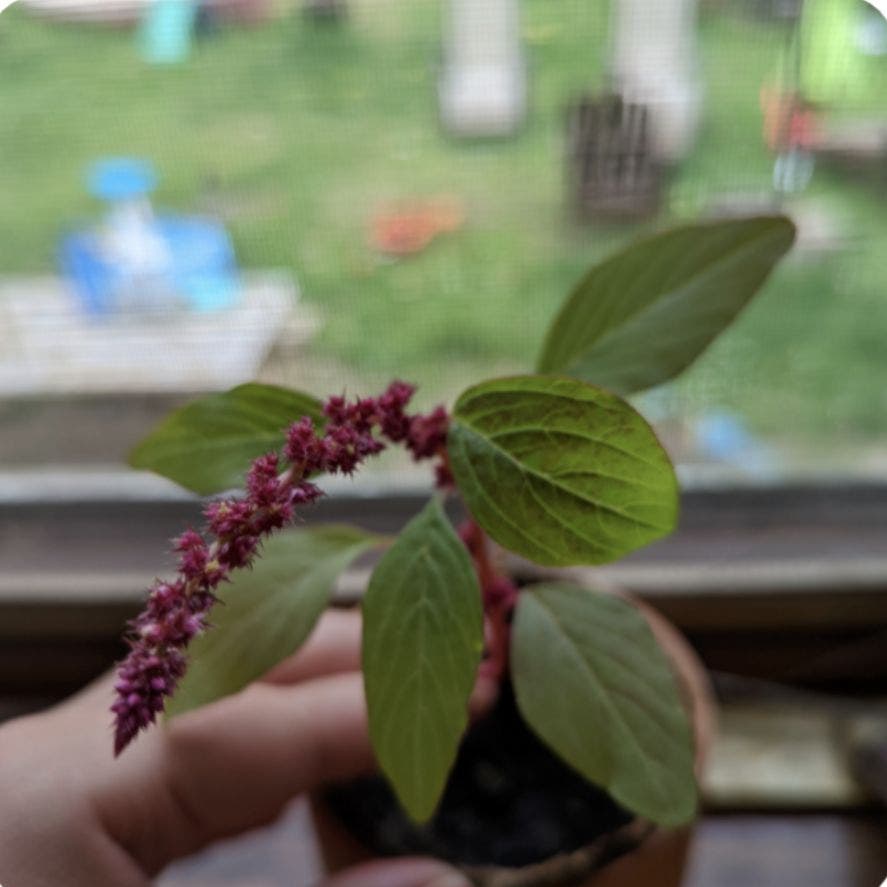
🌸 9 Quick Fixes for Amaranth Bloom Problems
Amaranthus creuntus
By the Greg Editorial Team
Oct 10, 2024•4 min read
This article was created with the help of AI so we can cover more plants for you. May contain errors. See one? Report it here.
- 🌞 Amaranth needs 6-8 hours of sunlight daily for optimal blooming.
- 🌱 Nutritional deficiencies in nitrogen and phosphorus hinder flower production.
- 🐛 Pest control and soil health are crucial for vibrant blooms and plant resilience.
Failure to Bloom
🌞 Potential Causes
Light Requirements
Amaranth thrives in full sun, needing 6 to 8 hours of sunlight daily. If your plants are shaded or not getting enough light, blooming can be severely affected.
Nutritional Deficiencies
A lack of essential nutrients, particularly nitrogen and phosphorus, can hinder flower production. Healthy soil is key to vibrant blooms.
Environmental Stress
Extreme temperatures or poor soil health can stress your amaranth. These factors can lead to a lack of blooming, leaving you frustrated.
💡 Solutions
Adjusting Light Exposure
To boost blooming, ensure your plants receive adequate sunlight. If necessary, consider relocating them to a sunnier spot.
Fertilization
Using a balanced fertilizer high in nitrogen and phosphorus can significantly promote blooming. Regular feeding helps keep your plants healthy and vibrant.
By addressing these potential causes and implementing the suggested solutions, you can encourage your amaranth to bloom beautifully. Next, let's explore the issue of premature flower drop and how to tackle it effectively.
Premature Flower Drop
🌧️ Causes
Overwatering
Excess moisture is a common culprit behind premature flower drop in amaranth. When the roots sit in soggy soil, they can rot, leading to a decline in flower health.
Pests
Pests like aphids can wreak havoc on your plants. These tiny invaders stress the plant, often resulting in bud drop and a less vibrant display.
Temperature Fluctuations
Sudden changes in temperature can shock your amaranth. This stress response often manifests as flower drop, leaving you with fewer blooms to enjoy.
🛠️ Solutions
Proper Watering Techniques
To combat overwatering, check the soil moisture regularly. Water only when the top inch of soil feels dry, and ensure your pot or garden bed has well-draining soil.
Pest Control
Keep a close eye on your plants for any signs of pests. Regular inspections and the use of organic insecticides or neem oil can help keep these nuisances at bay, ensuring your flowers stay intact.
By addressing these issues, you can help your amaranth thrive and enjoy a bountiful bloom season. Next, let’s explore how abnormal flower development can affect your plants and what you can do to remedy it.
Abnormal Flower Development
🌱 Causes
Nutrient Deficiencies
Abnormal flower development in amaranth often stems from nutrient deficiencies. A lack of essential nutrients, particularly nitrogen and phosphorus, can lead to malformed or stunted flowers.
Genetic Factors
Some amaranth varieties may have genetic predispositions that affect their flower shape and size. These inherent traits can result in unexpected flower characteristics that deviate from the norm.
💡 Solutions
Soil Testing
To tackle abnormal flower development, start with soil testing. This will help you identify any nutrient deficiencies that may be affecting your plants.
Appropriate Fertilization
Once you have the test results, amend your soil with the necessary nutrients. Using a balanced fertilizer tailored to your soil's needs can significantly improve flower quality and overall plant health.
By addressing these factors, you can encourage your amaranth to produce beautiful, well-formed flowers. Next, let’s explore effective pruning techniques to further enhance your plant's blooming potential.
Pruning Techniques
When to Prune 🌱
Pruning amaranth is best done in early spring, just before new growth starts. This timing ensures that your plants are ready to thrive as the growing season kicks off.
How Pruning Affects Flower Production 🌸
Pruning plays a crucial role in enhancing flower production. By removing dead or weak stems, you encourage bushier growth, leading to more vibrant flower heads.
This simple technique not only improves the plant's appearance but also boosts its overall health. A well-pruned amaranth is more likely to produce abundant blooms, making your garden a visual delight.
Incorporating these pruning practices can transform your amaranth plants, setting the stage for a flourishing display. Now that you’re equipped with pruning knowledge, let’s explore pest and disease management to keep your blooms healthy and thriving.
Pest and Disease Management
🐞 Common Pests
Amaranth plants can fall victim to several pests, with aphids, spider mites, and whiteflies being the most notorious. These pests not only suck the sap from your plants but can also lead to significant stress, ultimately impacting flower health.
🚫 Disease Prevention Strategies
To keep your amaranth thriving, consider implementing crop rotation. This practice helps break pest and disease cycles, ensuring your plants remain healthy.
Maintaining soil health is equally crucial. Healthy soil fosters robust plants that can better withstand pest attacks and disease outbreaks. Regularly amend your soil with organic matter to boost its vitality.
By staying vigilant and proactive, you can protect your amaranth from these common threats. This will pave the way for a flourishing garden, setting the stage for the next topic on pruning techniques.
⚠️ Safety First
This content is for general information and may contain errors, omissions, or outdated details. It is not medical, veterinary advice, or an endorsement of therapeutic claims.
Always consult a qualified healthcare professional before using any plant as food, medicine, or supplement.
Never eat any plant (or feed one to pets) without confirming its identity with at least two trusted sources.
If you suspect poisoning, call Poison Control (800) 222-1222, the Pet Poison Helpline (800) 213-6680, or your local emergency service immediately.
Spotted an error? Please report it here.
Boost your amaranth blooms with smart care tips 🌼 from Greg, ensuring they get the right sunlight and nutrients while keeping pests at bay for a garden that truly shines!