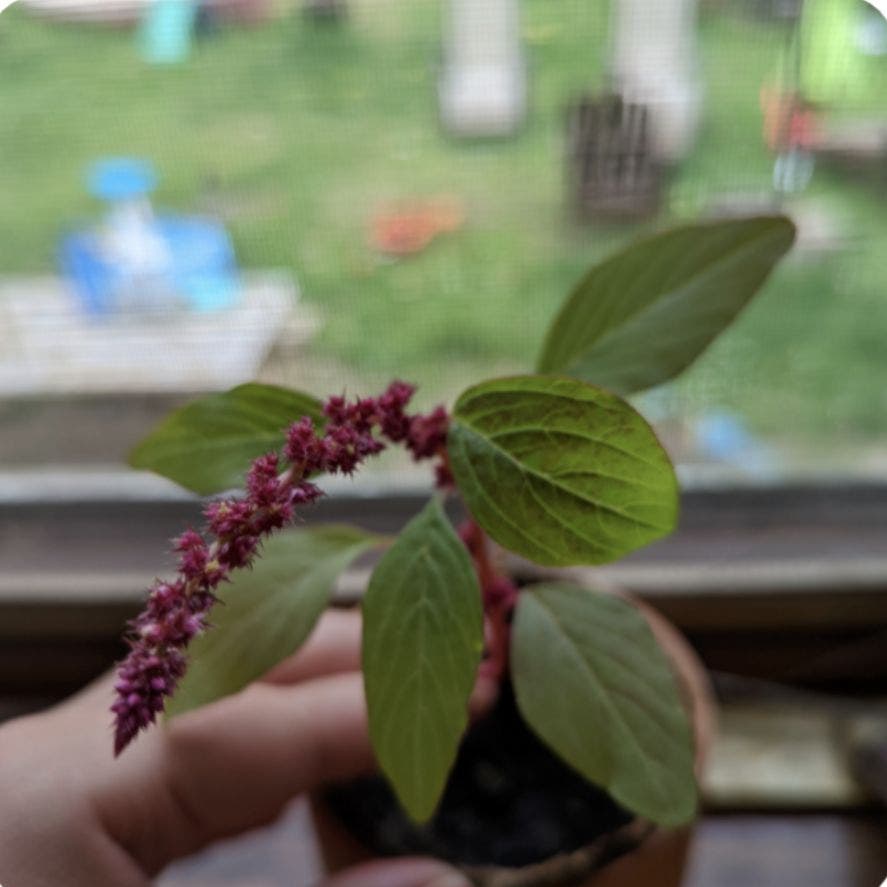
🍃 How to Cure Leaves Falling Over on Your Amaranth
Amaranthus creuntus
By the Greg Editorial Team
Oct 10, 2024•5 min read
This article was created with the help of AI so we can cover more plants for you. May contain errors. See one? Report it here.
- 💧 Overwatering and underwatering both cause drooping leaves; maintain balanced moisture levels.
- 🌱 Nutrient deficiencies like nitrogen and potassium lead to poor growth; use balanced fertilizers.
- 🐞 Pests like aphids and spider mites can weaken Amaranth; inspect leaves regularly for damage.
Causes of Leaves Falling Over
💧 Overwatering and Its Effects
Overwatering can be a silent killer for your Amaranth. Symptoms include yellowing leaves, soggy soil, and root rot, which all signal that your plant is struggling.
When the roots are deprived of oxygen due to waterlogged soil, leaves begin to droop and eventually fall off. To keep your Amaranth thriving, maintain soil moisture that is consistently moist but never waterlogged.
🚰 Underwatering and Its Consequences
On the flip side, underwatering can also lead to distress. Signs include wilting leaves, dry soil, and crispy edges that indicate your plant is parched.
Underwatered Amaranth struggles to maintain turgor pressure, causing its leaves to droop. Water your plant when the top inch of soil feels dry to ensure it stays hydrated.
🌱 Nutrient Deficiencies
Nitrogen Deficiency
A lack of nitrogen manifests as pale green leaves and stunted growth. This nutrient is crucial for leaf development, and its absence can lead to drooping.
To remedy this, use a balanced fertilizer that contains adequate nitrogen. This will help restore your Amaranth's vigor.
Potassium Deficiency
Potassium deficiency shows up as leaf curling and browning at the edges. This nutrient is vital for overall plant health and resilience against stress.
Applying potassium-rich fertilizers or organic amendments can help your Amaranth bounce back.
🐛 Pest Infestations
Aphids
Aphids can wreak havoc on your Amaranth, leaving behind sticky residue and curled leaves. These pests weaken the plant, leading to drooping leaves.
Control methods include introducing beneficial insects or using insecticidal soap to keep them at bay.
Spider Mites
Spider mites are another threat, identifiable by fine webbing and stippled leaves. They cause significant leaf damage and stress, resulting in drooping.
To combat spider mites, increase humidity around your plants and apply miticides if necessary.
🌡️ Environmental Stress
Temperature
Amaranth thrives in temperatures between 70°F to 85°F (21°C to 29°C). Extreme heat can cause wilting, while cold temperatures can lead to stress.
To protect your plant, provide shade during high heat and ensure it’s sheltered from frost.
💨 Humidity
Ideal humidity levels for Amaranth range from 40% to 60%. Low humidity can lead to curling and drooping leaves.
Using a humidifier or misting the leaves regularly can help maintain the right moisture levels.
Understanding these causes is the first step in preventing your Amaranth's leaves from falling over. Next, let’s explore effective solutions to alleviate this issue.
Solutions for Alleviating Leaf Fall
🌊 Adjusting Watering Practices
Establishing a consistent watering schedule is crucial for your Amaranth's health. Use the finger test: water when the top inch of soil feels dry to the touch.
Proper drainage is essential to prevent waterlogging. Ensure your pots have drainage holes and consider using well-draining soil.
🌱 Fertilizing for Nutrient Balance
Choosing a balanced fertilizer with the right N-P-K ratio can make a significant difference. Apply it during the growing season every 4-6 weeks to keep your Amaranth thriving.
Monitor leaf color and growth closely. Any changes can indicate whether your plant is responding well to the nutrients.
🐞 Pest Control Methods
Organic Methods
Introducing beneficial insects like ladybugs can naturally control pests. They feast on aphids and other harmful insects, promoting a healthier garden.
Using neem oil or insecticidal soap is another effective strategy for aphid control. These organic solutions are gentle on your plants while tackling infestations.
Chemical Methods
For more severe pest issues, applying miticides can be necessary. Always follow label instructions for safe application to protect your Amaranth and the surrounding environment.
🌞 Improving Environmental Conditions
Adjusting light exposure is vital for your plant's well-being. Ensure your Amaranth receives 6-8 hours of sunlight daily for optimal growth.
Increasing humidity can also help. Use a humidifier or mist the leaves regularly to create a more favorable environment.
During extreme heat, providing shade can prevent stress. This simple adjustment can make a world of difference in keeping your Amaranth healthy.
With these solutions in place, your Amaranth will be well on its way to thriving. Next, let’s explore preventive measures to keep your plant in top shape year-round.
Preventive Measures
Best Practices for Amaranth Care 🌱
Regularly checking soil moisture is crucial for your Amaranth's health. Adjust your watering schedule based on the moisture levels to keep your plants thriving.
Fertilizing appropriately can prevent nutrient deficiencies. A balanced approach ensures your Amaranth gets the nutrients it needs to flourish.
Soil Preparation and Drainage Tips 🏞️
Using well-draining soil mixes is essential for healthy root development. This prevents waterlogging, which can lead to root rot.
Incorporating organic matter improves soil structure. It enhances drainage and provides essential nutrients, creating a robust environment for growth.
Regular Monitoring for Pests and Diseases 🐛
Inspecting leaves weekly helps catch pests early. Look for any unusual signs that could indicate an infestation.
Implementing early intervention strategies can save your plants from severe damage. Quick action is key to maintaining a healthy garden.
Seasonal Care Adjustments 🍂
Adjusting watering and fertilization based on seasonal changes is vital. Different seasons bring varying needs for your Amaranth.
Protecting plants from frost during cooler months ensures they remain healthy. A little preparation goes a long way in safeguarding your garden.
By following these preventive measures, you can create a thriving environment for your Amaranth. Next, let’s explore effective solutions for alleviating leaf fall.
⚠️ Safety First
This content is for general information and may contain errors, omissions, or outdated details. It is not medical, veterinary advice, or an endorsement of therapeutic claims.
Always consult a qualified healthcare professional before using any plant as food, medicine, or supplement.
Never eat any plant (or feed one to pets) without confirming its identity with at least two trusted sources.
If you suspect poisoning, call Poison Control (800) 222-1222, the Pet Poison Helpline (800) 213-6680, or your local emergency service immediately.
Spotted an error? Please report it here.
Keep your Amaranth vibrant and droop-free 🌿 by using Greg's tailored care reminders to master watering, nutrients, and pest control for thriving growth!