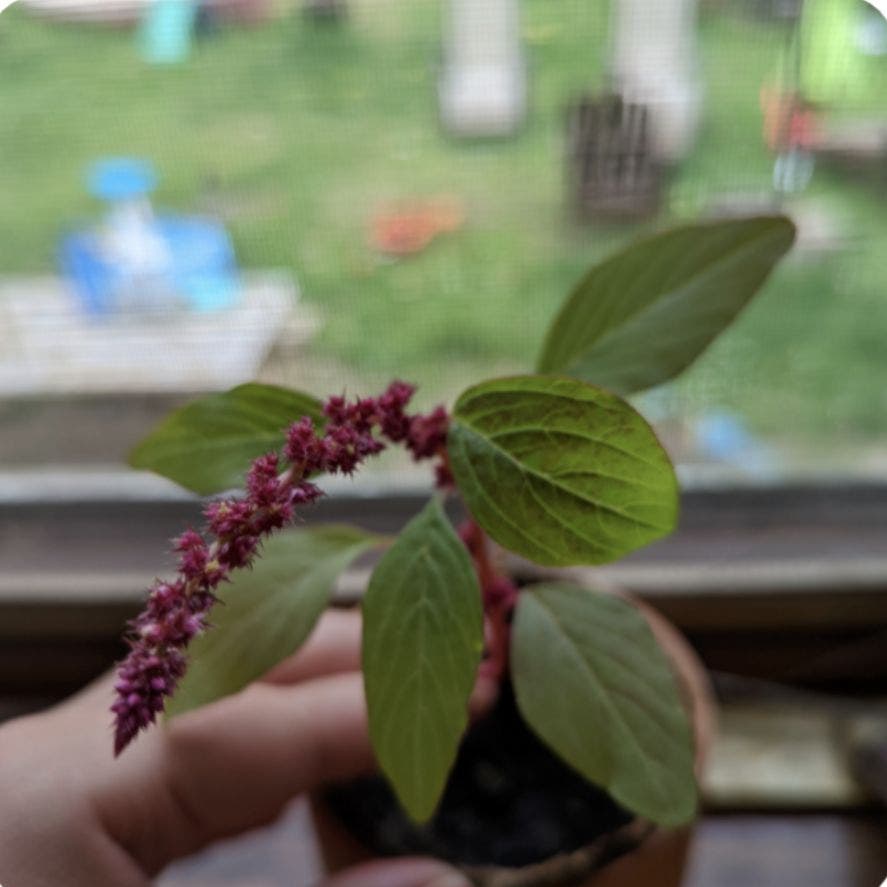
What to Do About Droopy Leaves on Your Amaranth 😢
Amaranthus creuntus
By the Greg Editorial Team
Oct 10, 2024•5 min read
This article was created with the help of AI so we can cover more plants for you. May contain errors. See one? Report it here.
- 💧 Droopy leaves result from overwatering, underwatering, or nutrient deficiencies.
- 🌡️ Amaranth thrives in 70°F-85°F with 6-8 hours of sunlight daily.
- 🐛 Check for pests like aphids; they can cause droopy leaves too!
Causes of Droopy Leaves
💧 Overwatering and Its Effects
Overwatering is a common culprit behind droopy leaves. Symptoms include yellowing leaves, soggy soil, and root rot, which can severely weaken your plant's root system and promote fungal diseases.
To maintain plant health, keep the soil consistently moist but not waterlogged. This balance is crucial for preventing root issues and ensuring your amaranth thrives.
🚰 Underwatering and Dehydration
On the flip side, underwatering can lead to dehydration. Look for signs like wilting leaves, dry soil, and crispy leaf edges, which indicate your plant is struggling.
Stunted growth and reduced leaf size are common consequences of insufficient water. Regularly check soil moisture and water when the top inch feels dry to keep your amaranth hydrated.
🌱 Nutrient Deficiencies
Nitrogen Deficiency
A lack of nitrogen can manifest as pale green leaves and stunted growth. Nitrogen is essential for leaf development and overall vigor, making it a key nutrient for healthy plants.
Potassium Deficiency
Potassium deficiency shows up as leaf tip burn and yellowing between veins. This nutrient is crucial for water regulation and helps plants resist stress, so ensure your amaranth gets enough.
🐛 Pest Infestations
Common Pests
Pests like aphids and spider mites can wreak havoc on your amaranth. Look for sticky residue and curled leaves from aphids, or fine webbing and stippled leaves from spider mites.
These pests weaken your plants and increase their susceptibility to diseases, making early detection and treatment vital for maintaining plant health.
🌡️ Environmental Stress
Temperature
Amaranth thrives in temperatures between 70°F to 85°F (21°C to 29°C). If temperatures stray too far from this range, you may notice symptoms like leaf droop and discoloration.
Humidity
Humidity levels also play a significant role in plant health. Aim for moderate to high humidity (40%-60%); low humidity can lead to dry, crispy leaves that signal your plant is in distress.
Understanding these causes of droopy leaves will help you take proactive steps to keep your amaranth healthy. Next, we’ll explore how to diagnose these issues effectively.
Diagnosing Droopy Leaves
🌊 Visual Signs of Overwatering vs. Underwatering
Identifying whether your amaranth is suffering from overwatering or underwatering is crucial. Overwatering typically presents as soggy soil and yellowing leaves, while underwatering manifests as dry soil and wilting leaves.
🐛 Identifying Pest Damage
Pest infestations can also lead to droopy leaves. Look for visible pests, webbing, or sticky residue on your plants, which indicate an infestation. Damage from pests often results in leaf curling and stunted growth.
🥦 Recognizing Nutrient Deficiency Symptoms
Nutrient deficiencies can significantly impact your plant's health. A nitrogen deficiency is characterized by pale leaves and slow growth, while potassium deficiency shows up as leaf tip burn and yellowing between veins.
🌡️ Assessing Environmental Conditions
Environmental factors play a vital role in your plant's well-being.
Light
Amaranth thrives in full sun, requiring 6-8 hours of light daily. If your plant is stretching or has drooping leaves, it may not be receiving adequate light.
Temperature
Maintaining the right temperature is essential. Use a thermometer to monitor conditions, ensuring they stay within the ideal range of 70°F to 85°F (21°C to 29°C) for optimal growth.
Understanding these diagnostic signs will help you take the necessary steps to revive your droopy amaranth. Next, let’s explore effective solutions to address these issues.
Solutions for Droopy Leaves
🌊 Adjusting Watering Practices
- Check soil moisture regularly using a moisture meter or your finger. This helps you gauge when your amaranth needs water.
- Water deeply but infrequently to encourage deep root growth. This method promotes a healthier plant overall.
- Adjust your watering frequency based on weather conditions. Increase watering during hot, dry periods to keep your plant hydrated.
🌱 Fertilization Techniques
- Use a balanced fertilizer that contains adequate nitrogen and potassium. This ensures your plant receives essential nutrients for growth.
- Follow a recommended fertilization schedule of every 4-6 weeks during the growing season. Consistent feeding supports robust leaf development.
🐞 Pest Control Methods
Organic Options
- Neem oil is effective against common pests like aphids and spider mites. It’s a natural solution that won’t harm your edible plants.
- Insecticidal soap is another safe choice. It targets pests while being gentle on your amaranth.
Chemical Options
- For severe infestations, consider systemic insecticides. Always follow label instructions carefully to ensure safe application.
🌬️ Environmental Adjustments
- Increase humidity around your plants. Use a humidifier or mist them regularly to create a more favorable environment.
- Adjust temperature by moving plants indoors during extreme heat or cold. This helps maintain optimal growing conditions.
By implementing these solutions, you can effectively address droopy leaves and promote a thriving amaranth plant. Next, let’s explore how to prevent droopy leaves from occurring in the first place.
Preventing Droopy Leaves
🌱 Best Practices for Care
Regularly monitoring soil moisture is key to preventing droopy leaves. Adjust your watering habits based on the moisture levels to keep your amaranth thriving.
Proper drainage is equally important. Ensure your pots or garden beds allow excess water to escape, preventing waterlogging that can lead to root rot.
🧪 Soil Preparation and Drainage Solutions
Using well-draining soil mixes can make a significant difference. Incorporate materials like perlite or sand to enhance drainage and promote healthy root growth.
Testing your soil pH is also crucial. Aim for a pH between 6.0 and 7.0 to ensure optimal nutrient uptake for your plants.
🔍 Regular Monitoring and Maintenance Tips
Inspect your plants weekly for any signs of pests or nutrient deficiencies. Early detection can save your amaranth from severe damage.
Adjust your care practices based on seasonal changes. As the weather shifts, so should your approach to watering and feeding your plants.
By following these preventive measures, you can keep your amaranth healthy and vibrant, reducing the chances of droopy leaves. Next, let’s explore how to diagnose droopy leaves effectively.
⚠️ Safety First
This content is for general information and may contain errors, omissions, or outdated details. It is not medical, veterinary advice, or an endorsement of therapeutic claims.
Always consult a qualified healthcare professional before using any plant as food, medicine, or supplement.
Never eat any plant (or feed one to pets) without confirming its identity with at least two trusted sources.
If you suspect poisoning, call Poison Control (800) 222-1222, the Pet Poison Helpline (800) 213-6680, or your local emergency service immediately.
Spotted an error? Please report it here.
Keep your amaranth vibrant and droop-free 🌿 by using Greg's tailored care reminders and moisture checks to ensure optimal watering and pest management!