Black Spots on My Papyrus Leaves
Cyperus papyrus
By the Greg Editorial Team
Jun 18, 2024•3 min read
This article was created with the help of AI so we can cover more plants for you. May contain errors. See one? Report it here.
- Black spots mean health issues; inspect leaves regularly for early detection.
- Fungicides and bactericides treat spots; neem oil, potassium bicarbonate, and copper-based products.
- Prevent with dry leaves, airflow, and cleanliness; prune infected parts as needed.
Spotting the Trouble: Recognizing Black Spots on Papyrus
🕵️ Visual Characteristics of Black Spots
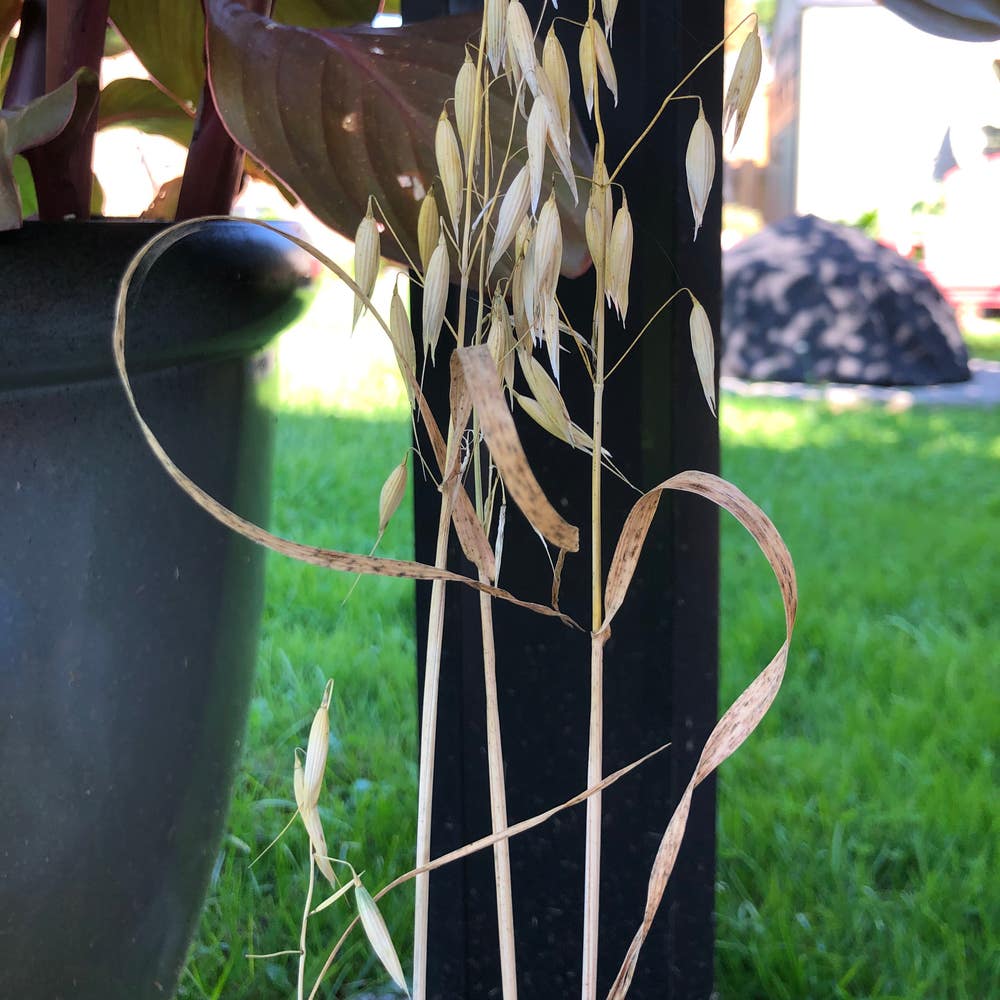
Black spots on Papyrus plants are the alarm bells of plant health. Initially, they may appear as tiny specks, often less than ⅛ inch in diameter. These spots can be deceptive in their infancy, starting small but with the potential to expand into larger, troublesome blotches. The texture of these spots varies; some may feel raised, akin to a scab, while others are sunken, signaling a loss of leaf vitality.
Where Black Spots Strike
Black spots tend to target the most vulnerable areas of Papyrus leaves. Regularly inspect both the tops and undersides of leaves, as black spots do not discriminate in their placement. They may appear randomly or form patterns, sometimes surrounded by a yellow halo, indicating a deeper issue. By keeping a vigilant eye on these common areas, you can catch the problem before it spreads.

Section

Taking Action: Treating Black Spots on Papyrus
🛡️ Choosing Your Weapons: Fungicides and Antibacterials
When black spots invade your Papyrus, it's time to arm yourself with the right treatments. For fungal foes like Septoria leaf spot and powdery mildew, fungicides are your go-to. Look for products containing neem oil or potassium bicarbonate.
Bacterial black spots require a different approach. Copper-based bactericides are effective, with options like ManKocide offering a dual-action defense. Always follow the label to the letter; it's the blueprint for plant health, not a mere suggestion.
🧪 Application Know-How
Suit up for battle and sterilize your tools. Pruning away the infected parts is step one, but don't get carried away—only remove what's necessary. Remember, you're performing precision surgery, not hacking through the jungle.
When applying treatments, it's not a "spray and pray" situation. Coat every leaf, but don't drown your plant. Consistency is key—reapply as directed, because these pathogens are more persistent than a cat begging for treats at 5 AM. And for the love of foliage, keep those pruned leaves out of the compost. That's just asking for a sequel to this fungal horror show.

Keeping Spots at Bay: Prevention Strategies
💧 Water Wisely
Overzealous watering is a black spot's best friend. To keep your Papyrus plant's feet dry, wait until the topsoil feels like a neglected sponge—dry to the touch—before giving it another drink. Bottom watering is the secret handshake here; it keeps the foliage as dry as a stand-up comedian's wit.
💨 Airflow and Humidity Hacks
Your Papyrus craves that breezy, open-air concert vibe. Crank up the air circulation with a fan or keep a window ajar to simulate a plant's version of a wind tunnel. Humidity should be Goldilocks-approved—not too high, not too low. A hygrometer can be your backstage pass to getting this just right, and a dehumidifier or humidifier might just be your VIP ticket.
🧼 Cleanliness is Key
Sanitize your tools like you're prepping for surgery, and don't let fallen leaves loiter around your Papyrus. They're not just leaf litter; they're a pathogen party waiting to happen. Keep the area around your plant cleaner than your reputation, and you'll be on your way to keeping those black spots in the realm of urban legend.
⚠️ Safety First
This content is for general information and may contain errors, omissions, or outdated details. It is not medical, veterinary advice, or an endorsement of therapeutic claims.
Always consult a qualified healthcare professional before using any plant as food, medicine, or supplement.
Never eat any plant (or feed one to pets) without confirming its identity with at least two trusted sources.
If you suspect poisoning, call Poison Control (800) 222-1222, the Pet Poison Helpline (800) 213-6680, or your local emergency service immediately.
Spotted an error? Please report it here.
Keep your Papyrus leaves pristine 🌿 by leveraging Greg's custom care plans and community insights to nip black spots in the bud.