Why Are My Zumula Cat Grass Leaves Mushy? 🐈
Cyperus alternifolius 'Zumula'
By the Greg Editorial Team
Mar 13, 2024•3 min read
This article was created with the help of AI so we can cover more plants for you. May contain errors. See one? Report it here.
Prevent soggy cat grass 🌾 woes with our fail-safe moisture management tips!
- 🚿 Overwatering and poor drainage lead to mushy cat grass leaves.
- 🍄 Fungal infections? Look for white/gray patches and use copper fungicide.
- 🌱 Adjust watering schedule and repot with airy soil for firm leaves.
Spotting Trouble: Signs Your Cat Grass is Too Soggy
🌊 Overwatering Overload
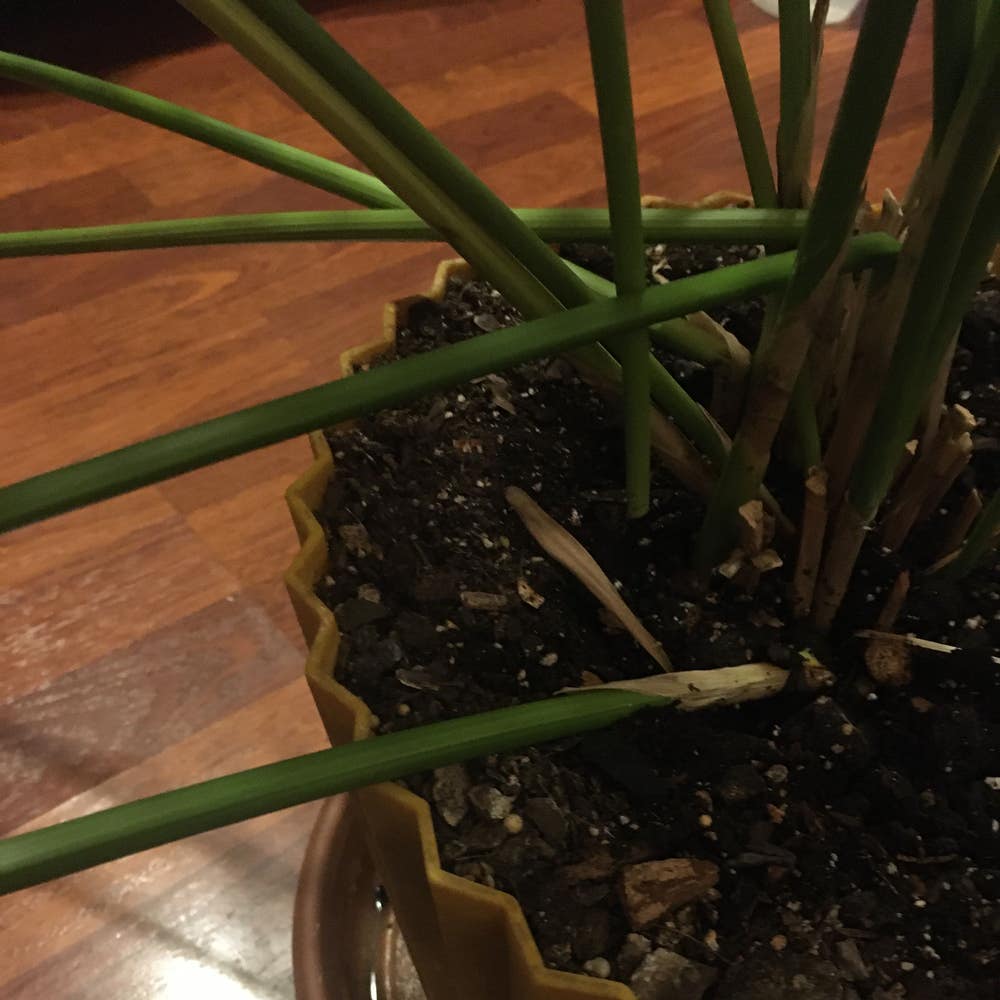
If your cat grass leaves are yellowing or have a limp, soggy appearance, you're likely dealing with overwatering. The soil will be swamp-like, and the roots may emit a foul odor, reminiscent of rotting vegetables.
🚰 When the Pot Doesn't Rock
Poor drainage is often betrayed by waterlogged soil that clings to your fingers. If the roots of your cat grass are soft and dark instead of firm and white, it's time to assess the health of your pot's drainage system.
🍄 Fungus Among Us
Fungal infections leave white or grayish patches on the soil or leaves. These unwelcome guests love moisture, so if your cat grass's pot feels like a miniature swamp, it's a red flag. Distinguish fungi from other issues by looking for these distinct patches and adjusting your watering habits accordingly.
First Aid for Mushy Leaves
💧 Water Wisely
Watering is crucial but can be a slippery slope. Overdo it, and you're in mushy territory. Check the topsoil before you water; if it sticks to your finger, hold off. Let the soil dry about an inch deep, then water again.
🚰 Drainage to the Rescue
Upgrade your potting mix to one that's airy, like a well-ventilated room. Ensure your pot has drainage holes; if not, it's time to play handyman or shop for a new one. A pot too big can lead to soggy soil, while too small stifles growth. Aim for just right.
🍄 Kicking Fungal to the Curb
Fungus thrives in moisture. If you spot an invasion, it's time for a copper-based fungicide. Post-treatment, watch your plant like a hawk. Adjust your care routine to prevent a relapse. Remember, recovery is all about the follow-through.
Keeping Leaves Firm and Fabulous
💧 Nailing the Watering Rhythm
Crafting a watering schedule for your Zumula Cat Grass is less about sticking to a calendar and more about tuning into the plant's needs. Water only when the top inch of soil is dry to the touch, ensuring roots stay thirsty enough to grow strong but not so parched they wither. As seasons change, so should your watering habits—more in the heat, less in the cool.
🌱 Adapting to Your Plant's Thirst in Changing Environments
Your cat grass isn't static; it's a living barometer of its environment. Monitor and adjust watering based on temperature, humidity, and light. Remember, your plant's thirst level will fluctuate, much like your own. Use a moisture meter for a drama-free check, or trust the old-school finger test.
🏆 The Best Soil and Pot Duo
Selecting the right soil and pot for your Zumula Cat Grass is like picking a winning team—it's all about compatibility and performance. Aim for a well-draining potting mix that holds moisture without getting soggy. Terra cotta pots are the MVPs, allowing soil to breathe and preventing water from overstaying its welcome.
🌱 The When and How of Repotting to Prevent Mushiness
If your plant's roots are doing the sardine can shuffle, it's time to repot. Spring or early summer is your best bet, avoiding times when the plant is flowering. Fresh soil not only provides a nutrient boost but also prevents the buildup of pathogens. Remember, a spacious pot and fresh soil are your best defense against mushy leaves.
⚠️ Safety First
This content is for general information and may contain errors, omissions, or outdated details. It is not medical, veterinary advice, or an endorsement of therapeutic claims.
Always consult a qualified healthcare professional before using any plant as food, medicine, or supplement.
Never eat any plant (or feed one to pets) without confirming its identity with at least two trusted sources.
If you suspect poisoning, call Poison Control (800) 222-1222, the Pet Poison Helpline (800) 213-6680, or your local emergency service immediately.
Spotted an error? Please report it here.
Avoid the mush and keep your cat grass thriving 🐾 by letting Greg remind you when to water and how to choose the best potting mix!