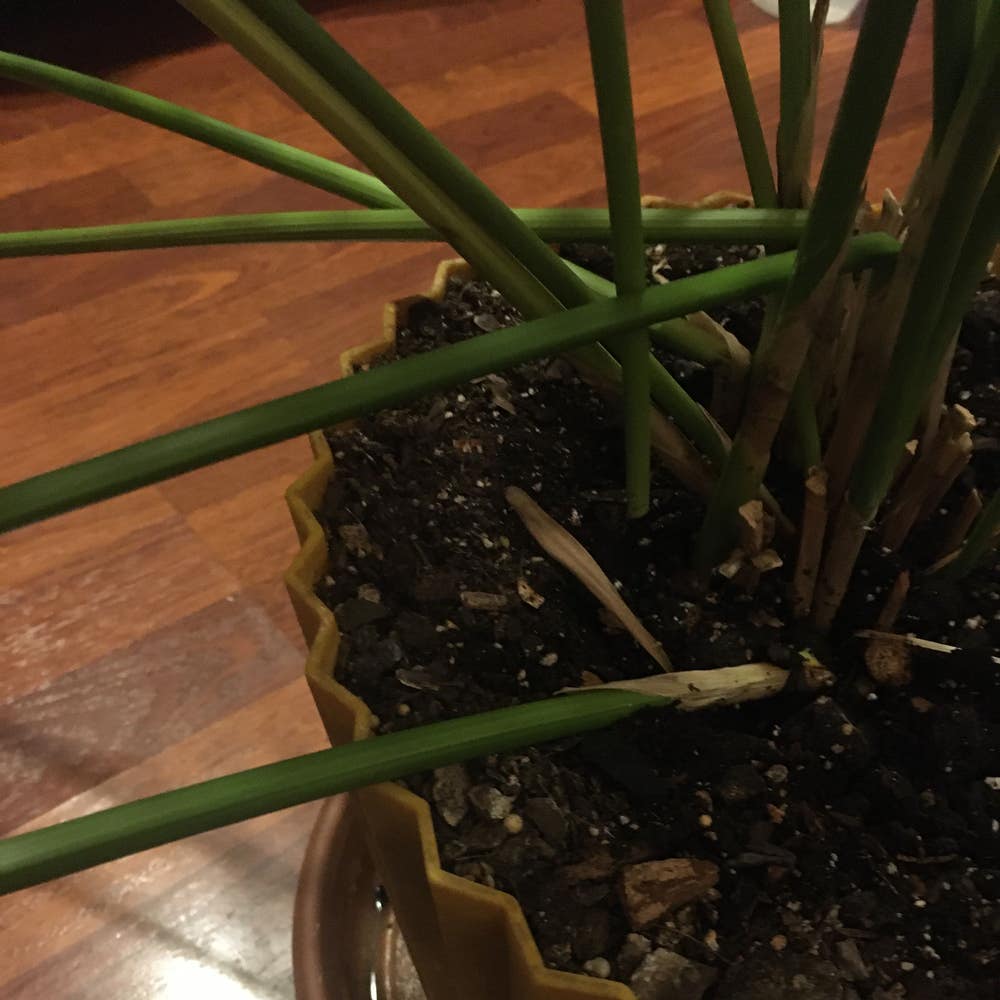
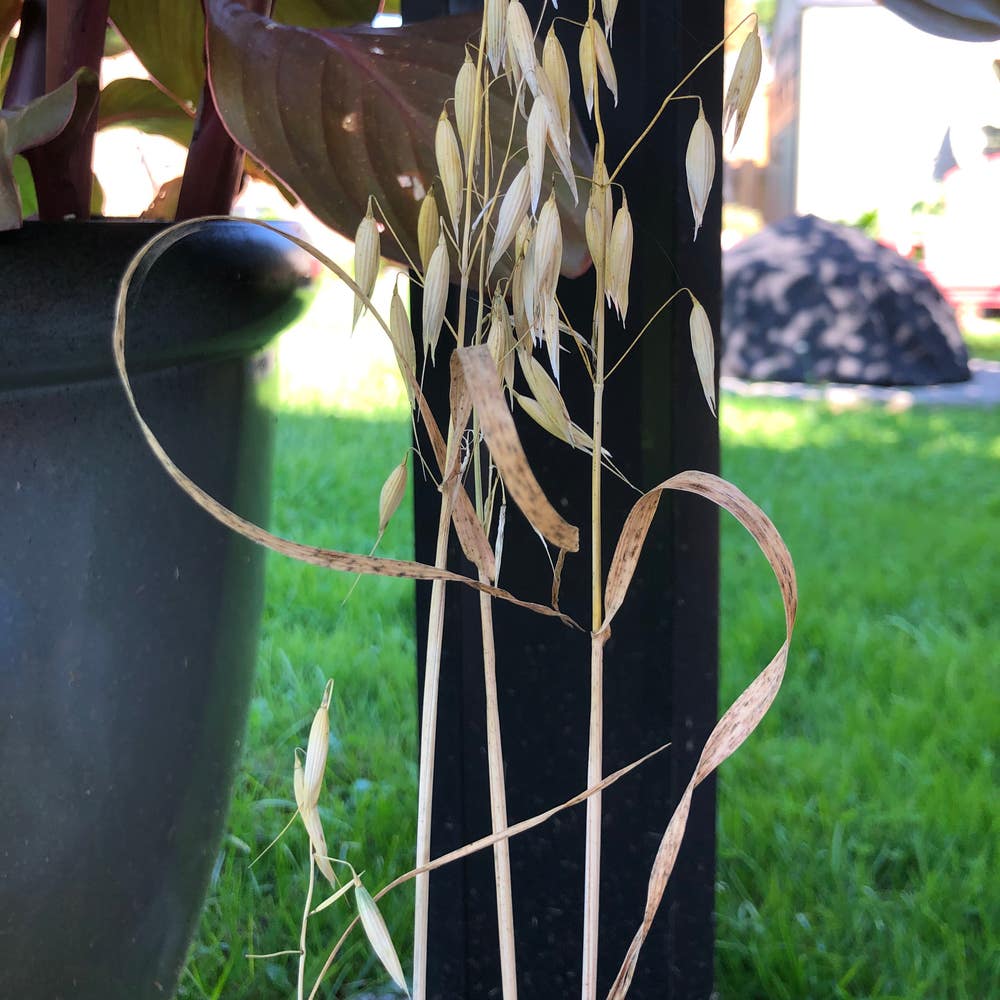
What Are The Bugs on My Zumula Cat Grass? 🐛
Cyperus alternifolius 'Zumula'
By the Greg Editorial Team
Mar 13, 2024•5 min read
This article was created with the help of AI so we can cover more plants for you. May contain errors. See one? Report it here.
Safeguard your cat's grassy haven from tiny terrors 🐛 for a lush, pest-free paradise! 🌿
- 🕷️ Spider mites and mealybugs: Look for webs and cotton clusters; use alcohol swabs.
- 🍄 Fungus gnats, fruit flies, aphids, whiteflies: Control with less watering, nematodes, sticky traps.
- 🌱 Integrated Pest Management: Combine removal, biological controls, and chemical treatments.
Introduction
😼 Why Bug Battles Matter for Your Zumula Cat Grass
Vigilance is your first line of defense in the bug battle for your Zumula Cat Grass. Just like your feline needs regular check-ups, so does your plant. Early detection is key; it can mean the difference between a minor annoyance and a full-scale infestation.
🕵️ Sneak Peek: The Usual Suspects Wreaking Havoc on Your Greens
Get ready to meet the culprits: from the stealthy spider mites to the sticky scale insects, each pest comes with its own set of challenges. But fear not, we're about to dive into the nitty-gritty of identifying and evicting these unwelcome visitors.
Meet the Zumula Cat Grass Culprits
🕷️ Spider Mites: The Sneaky Sap-Suckers
Spotting the Telltale Webs
Spider mites are tiny but their damage is not. Look for fine, silky webs on your Zumula Cat Grass, along with speckled leaves indicating these pests are feasting.
Wiping Out the Mite Menace
Alcohol swabs and a strong stream of water are your first line of defense. For persistent problems, insecticidal soaps or neem oil can be effective.
Keeping Your Greens Spider-Mite-Free
Regular inspections and cleaning debris can prevent spider mite settlements. Introducing predatory mites might also help keep the population in check.
🦟 Scale Insects: Sticky Foes on Stalks
Unmasking the Camouflaged Critters
Scale insects disguise themselves as bumps on plant stems and leaves. If you spot these or sticky honeydew, it's time for action.
Scale-Busting Strategies
A cotton swab dipped in alcohol can remove individual scales. Insecticidal soap or horticultural oil sprays can treat larger infestations.
Fortifying Your Cat Grass Against Future Scale Invasions
Prevent scale by inspecting new plants and keeping your cat grass isolated until you're sure they're pest-free.
🦟 Fungus Gnats and Fruit Flies: The Fuzzy Flyers
Detecting the Tiny Terrors
Fungus gnats and fruit flies love moist soil. Spot them by their erratic flight around the plant or soil surface.
Clearing the Air: Eradication Tactics
Reduce watering and consider soil drenches with nematodes or diatomaceous earth to target larvae.
Prevention: Keeping Fliers at Bay
Maintain dry topsoil and good drainage to make your cat grass less inviting to these pests.
🐛 Mealybugs: The White Wonders
Identifying the Cotton-Like Clusters
Mealybugs look like tiny cotton clusters. When you spot them, it's time for a thorough clean-up.
Mealybug Eradication: A Step-by-Step Guide
Start with alcohol swabs for a direct hit. Introduce natural predators like ladybugs for a more organic solution.
Pro Tips for a Mealybug-Free Plant
Keep a close eye on your cat grass, and isolate new plants to prevent mealybug migration.
The Less Famous Pests: Aphids and Whiteflies
Aphids: The Green Grazer's Guide to Detection and Defense
Aphids leave behind a sticky residue while feasting on your plant's sap. Blast them off with water or apply insecticidal soap.
Whiteflies: Unveiling and Undoing the Winged Woes
Whiteflies can be seen as a cloud of tiny white insects when the plant is disturbed. Yellow sticky traps can help reduce their numbers.
Integrated Pest Management: A Holistic Approach
Combine physical removal, biological controls, and chemical treatments for a comprehensive defense against all pests. Regular monitoring is key to keeping your Zumula Cat Grass healthy and bug-free.
Conclusion
In the quest for pest-free Zumula Cat Grass, the endgame is clear: vigilance. It's about adopting a gardener's version of a neighborhood watch, inspecting your greens with an eagle eye, and nipping any bug invasions in the bud.
🛡️ The Call to Arms: Be Proactive
Prevention is your best defense. Integrated Pest Management (IPM) isn't just a fancy term; it's your battle plan. Use it to minimize pest problems with the least possible harm to your plants, pets, and people.
🕵️♂️ Regular Monitoring: Your Secret Weapon
Stay sharp. Regular inspections are the equivalent of neighborhood watch for your plants. Catching pests early is like diffusing a bomb before it goes off.
🔄 Mix It Up: Diversify Your Tactics
To minimize risks of developing a treatment-resistant pest population, change methods and chemicals occasionally. If an insecticide was used for previous treatments, switch to an oil, soap, or different insecticide.
🐞 Encourage Allies: The Natural Protectors
Encouraging natural predators, such as ladybugs or lacewings, can keep the pests at bay. It's like having your own personal pest control army.
🧹 Keep It Clean: A Tidy Plant Is a Happy Plant
A tidy space is a pest-free space. Remove debris and fallen leaves to avoid giving pests a cozy crash pad. It's like housekeeping for plant health.
📚 Stay Informed: Knowledge Is Power
Remember, a clean environment and optimal humidity deter pests. Keep abreast of the latest pest control methods and stay informed about the pests that could target your Zumula Cat Grass.
🚨 The Bottom Line
If you do find unwanted guests, act fast. Pests multiply with a speed that would put rabbits to shame. Treat infestations promptly and repeat as necessary, ensuring you've evicted every last critter.
🏁 The Final Word: Keep the Momentum
Gardening is a labor of love, and pest control is part of the gig. Keep the momentum going, and your Zumula Cat Grass will thank you with lush, vibrant growth. Stay vigilant, and you'll keep those pesky intruders from turning your home into their playground.
⚠️ Safety First
This content is for general information and may contain errors, omissions, or outdated details. It is not medical, veterinary advice, or an endorsement of therapeutic claims.
Always consult a qualified healthcare professional before using any plant as food, medicine, or supplement.
Never eat any plant (or feed one to pets) without confirming its identity with at least two trusted sources.
If you suspect poisoning, call Poison Control (800) 222-1222, the Pet Poison Helpline (800) 213-6680, or your local emergency service immediately.
Spotted an error? Please report it here.
Ensure your Zumula Cat Grass thrives by staying vigilant 🕵️♂️ with Greg's reminders and community advice for early pest detection and control!