Why Are My Zumula Cat Grass Leaves Curling?
Cyperus alternifolius 'Zumula'
By the Greg Editorial Team
Mar 13, 2024•4 min read
This article was created with the help of AI so we can cover more plants for you. May contain errors. See one? Report it here.
Unravel the mystery behind curling cat grass leaves and keep your kitty's greens 🌿 thriving!
- Water wisely to prevent curling from underwatering or overwatering.
- 🌡️ Temperature and humidity matter for Zumula Cat Grass health.
- Nutrient balance is key; avoid over-fertilization.
Spotting the Signs of Trouble
🍃 Recognizing Leaf Curling
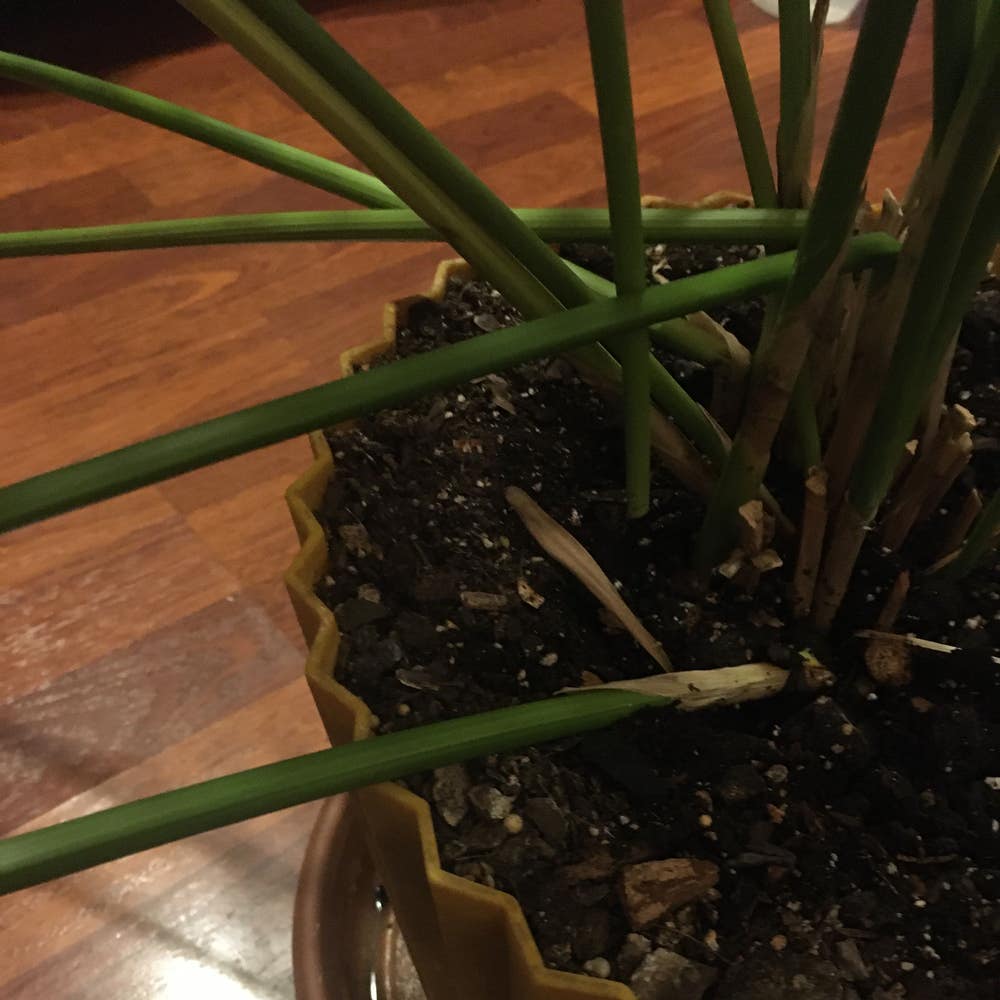
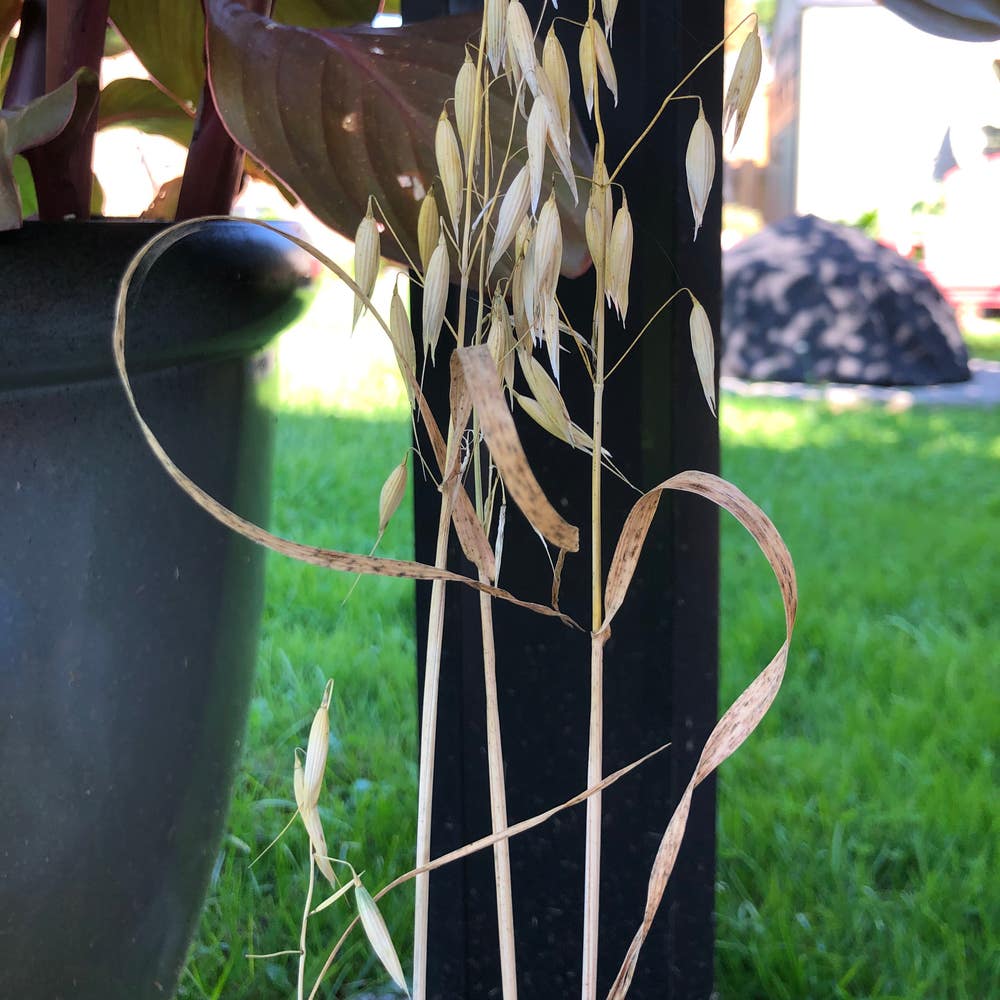
Zumula Cat Grass leaves twisting or rolling are waving red flags. Upward curls often scream underwatering, while downward spirals might be drowning in excess moisture.
Common Symptoms Accompanying Curling
Discoloration and necrotic spots often tag along with leaf curl. Yellowing leaves or brown patches are like silent alarms for a deeper issue. Keep an eye out for these unwelcome guests—they're clues to act fast.
The Usual Suspects: Causes of Leaf Curling
💧 Thirsty Roots or Drowning?
When it comes to Zumula Cat Grass, the line between parched and waterlogged is thinner than a cat's whisker. Underwatering leaves the soil as dry as a desert, causing leaves to curl up in a desperate attempt to conserve water. On the flip side, overwatering turns the pot into a mini-swamp, suffocating roots and making leaves curl down as if trying to escape the soggy mess.
🌡️ It's Getting Hot in Here
Temperature stress is like an unwanted sauna or an unplanned ice bath for your cat grass. Too hot, and the leaves curl up tighter than a rolled yoga mat; too cold, and they droop down, looking as sad as a forgotten birthday. The key is to find that Goldilocks zone where your plant feels just right.
💨 A Breath of Fresh Air
Humidity and airflow are like the breath of life for your Zumula Cat Grass. Low humidity makes leaves curl tighter than a new spring coil, while poor airflow leaves them stifling and more susceptible to pests. Aim for that 40%-60% humidity sweet spot and keep the air moving like a gentle summer breeze.
🍽️ Hungry for Nutrients
Nutrient deficiencies turn your cat grass into a drama queen, with leaves curling as if bowing out from a Shakespearean play. Potassium is crucial for stress resistance, while magnesium keeps things green and perky. Think of it like a balanced diet for your plant—too much or too little, and you'll see it in the leaves.
Turning Over a New Leaf: Fixing the Curl
💧 Fine-Tuning Watering Habits
Watering is more art than science. Consistency is your mantra. Here's the drill:
- Check the soil before you water. If dry up to your first knuckle, it's go time.
- Water deeply but sparingly. Think of it as a shot of espresso rather than a venti latte.
- Use room temperature water. No one likes an icy shower, not even your plants.
- Embrace the soak and dry method. Let the soil dry out between waterings to avoid the dreaded root rot.
🌡️ Creating a Cozy Climate
Your cat grass craves comfort. Here's how to dial in the perfect environment:
- Temperature: Keep it between 65°F and 75°F (18°C - 24°C). No sudden temperature drops or spikes.
- Humidity: Aim for that Goldilocks zone. Not too dry, not a steam room. A pebble tray or humidifier can help.
- Airflow: A gentle breeze, please. Use a fan, but don't create a leaf-tossing tornado.
🍽️ Feeding Frenzy
Nutrients are vital, but too much is a no-go. Here's the skinny on feeding:
- Use a balanced, water-soluble fertilizer. It's like a multivitamin for your plant.
- Frequency: Once a month during the growing season. Don't turn your plant care into a daily diner dash.
- Over-fertilization: It's as bad as no fertilizer. Follow the label, and don't get heavy-handed. Your plant isn't at an all-you-can-eat buffet.
Keeping It Straight: Prevention Strategies
🎵 Consistent Care Routine
Establishing a routine is like setting the tempo for a jam session with your Zumula Cat Grass. It's all about the rhythm. Watering should be as regular as your favorite TV show's airing time. Fertilizing? Mark it on your calendar like a birthday you can't miss. Consistency is the drumbeat your plant's life marches to.
🕵️ Monitoring for Mischief
Be the Sherlock Holmes of plant care. Inspect your green buddy often for signs of distress—yellowing leaves, stunted growth, or the dreaded curl. Catching these early means you can act before your plant hits a sour note. It's not about hovering like a helicopter parent, but more like being a cool aunt or uncle who knows when to step in.
⚠️ Safety First
This content is for general information and may contain errors, omissions, or outdated details. It is not medical, veterinary advice, or an endorsement of therapeutic claims.
Always consult a qualified healthcare professional before using any plant as food, medicine, or supplement.
Never eat any plant (or feed one to pets) without confirming its identity with at least two trusted sources.
If you suspect poisoning, call Poison Control (800) 222-1222, the Pet Poison Helpline (800) 213-6680, or your local emergency service immediately.
Spotted an error? Please report it here.
Prevent leaf curling in your Zumula Cat Grass and keep it thriving 🌿 with Greg's tailored watering and care reminders, ensuring your feline's favorite greens are always at their best.