🥜 Yellow Nutsedge: An Invasive Plant
Cyperus esculentus
By the Greg Editorial Team
Nov 26, 2024•7 min read
This article was created with the help of AI so we can cover more plants for you. May contain errors. See one? Report it here.
Protect your garden from Yellow Nutsedge's invasion 🌱 by mastering identification and effective management techniques!
- 🌱 Yellow Nutsedge is an invasive weed that disrupts local ecosystems and biodiversity.
- 🔍 Identify it by triangular stems and yellow flowers to manage effectively.
- ⚔️ Control methods include manual removal, herbicides, and preventive measures like mulching.
Plant Classification
Definition of Weeds and Invasive Species 🌱
Weeds are unwanted plants that grow aggressively, often competing fiercely with cultivated plants for resources. Invasive species, on the other hand, are non-native plants that disrupt local ecosystems and threaten biodiversity.
Criteria for Classifying Yellow Nutsedge as a Weed ⚠️
Yellow Nutsedge qualifies as a weed due to its rapid spread and competitive nature. It can quickly establish dense colonies, outcompeting native vegetation for essential resources like sunlight, water, and nutrients.
Characteristics of Rapid Spread and Competitive Nature 🚀
This invasive plant reproduces through underground tubers and rhizomes, enabling it to spread swiftly across various landscapes. Its adaptability to different environments, especially wet and disturbed soils, further enhances its invasive potential.
Understanding these classifications helps in recognizing the challenges posed by Yellow Nutsedge and sets the stage for effective management strategies. As we delve deeper into its identification, we can better equip ourselves to tackle this invasive species.
Identification
Key Identifying Features 🌟
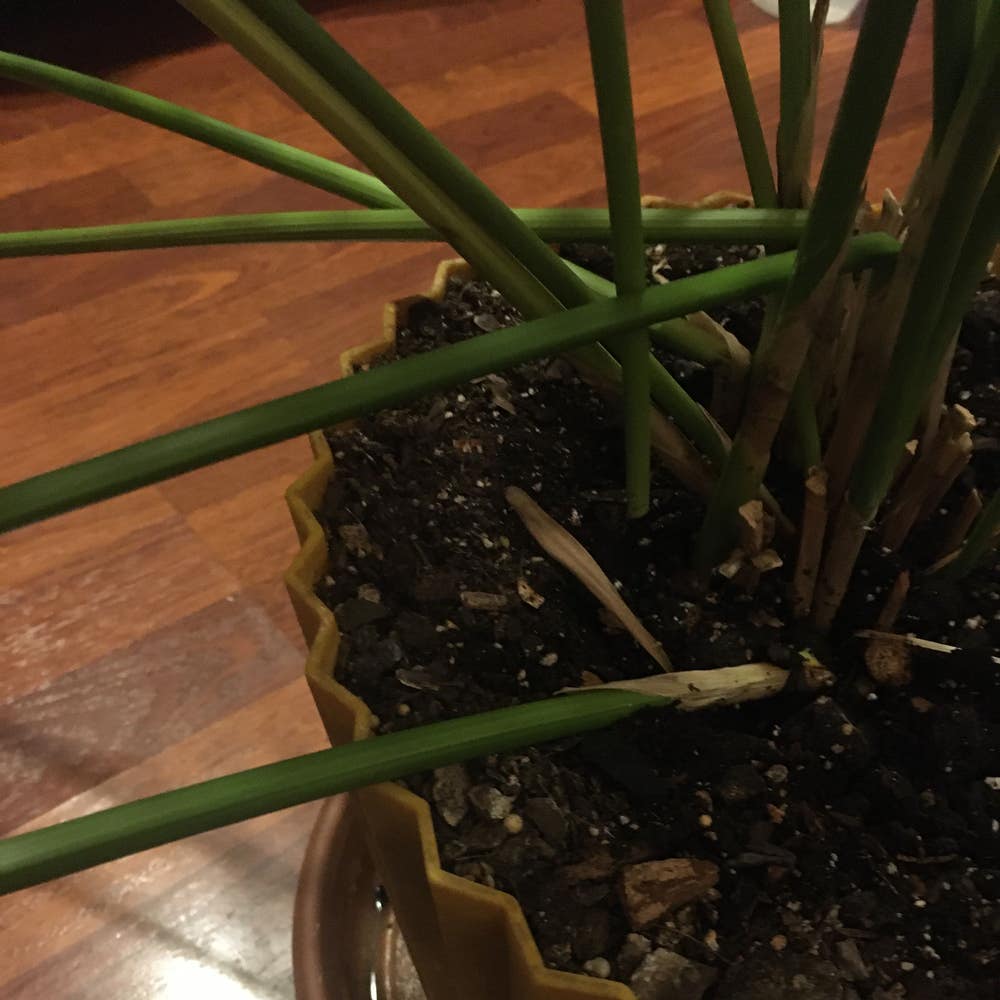
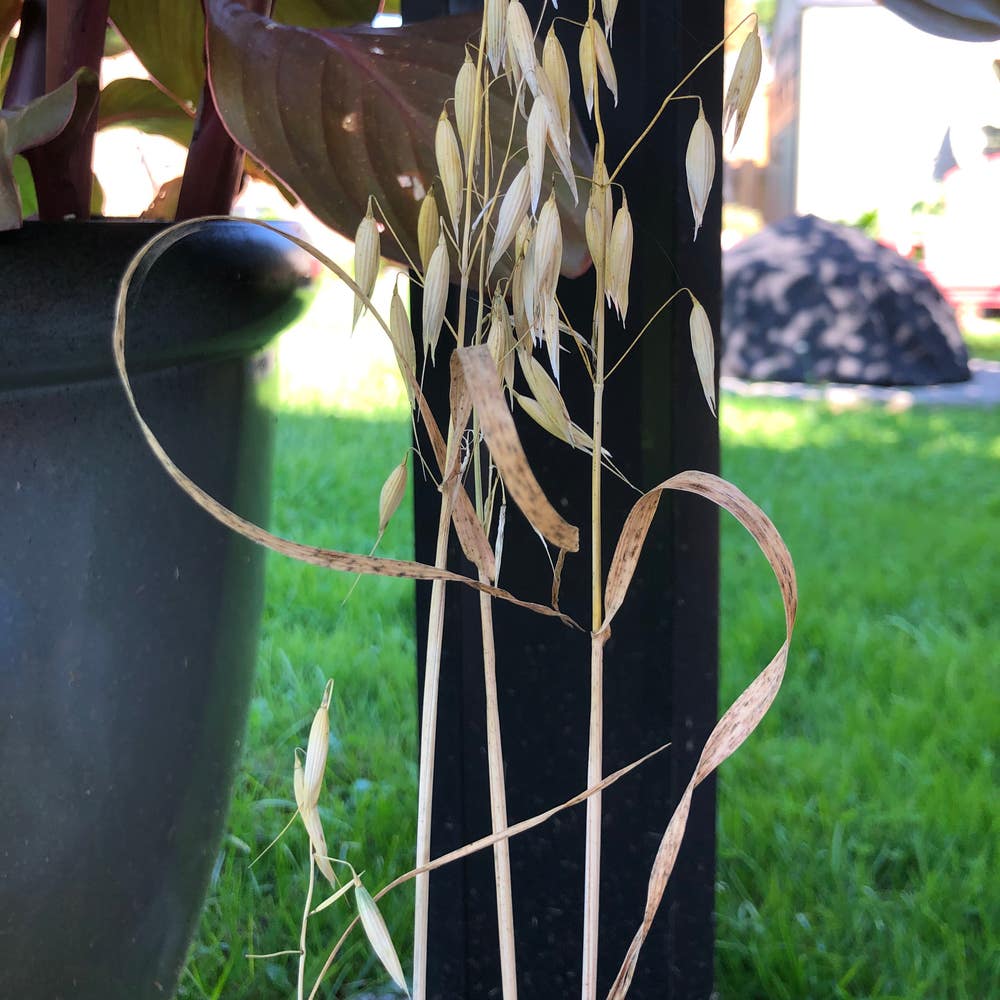
Identifying Yellow Nutsedge is crucial for effective management. This invasive plant features triangular stems, which give it a distinctive shape that sets it apart from other grasses.
Its grass-like leaves are long, narrow, and arranged in a spiral pattern, adding to its unique appearance. At the top of the stems, you'll find yellow flowers clustered together, which can often be mistaken for other sedges.
Comparison with Look-Alike Plants 👀
When identifying Yellow Nutsedge, it's essential to differentiate it from similar species. The Purple Nutsedge is a common look-alike, but it stands out with its purple flowers.
To distinguish between the two, focus on the color of the flowers and the shape of the stems. Recognizing these features can help prevent misidentification and ensure proper management strategies are implemented.
Understanding these identifying traits is the first step in tackling the spread of Yellow Nutsedge effectively. Next, we’ll explore its growth habits and how it spreads in various environments.
Growth Habits and Spread
Typical Growth Patterns 🌱
Yellow Nutsedge thrives in clumps, forming dense patches that can quickly take over favorable areas. This aggressive growth can see it reaching heights of up to 3 feet, making it a formidable presence in gardens and landscapes.
Reproductive Strategies 🌼
The plant's reproductive strategies are key to its rapid spread. It utilizes underground tubers, which act as storage organs, allowing for quick colonization of new areas. Additionally, rhizomes—horizontal stems that grow beneath the soil—enable lateral growth, further enhancing its ability to establish dense colonies.
Mechanisms of Spread in Various Environments 🌍
Yellow Nutsedge employs several mechanisms to spread across different environments. Water movement plays a significant role, as flooding can disperse its tubers to new locations. Moreover, soil disturbance from cultivation and land management practices can inadvertently promote its spread, making it essential for landowners to be vigilant.
Understanding these growth habits and spread mechanisms is crucial for effective management. In the next section, we will delve into the ecological impact of Yellow Nutsedge on native plant communities and wildlife habitats.
Ecological Impact
🌱 Effects on Native Plant Communities
Yellow Nutsedge is a formidable competitor in the plant world. It aggressively outcompetes native species, leading to reduced biodiversity and significant alterations in habitat structure.
This invasive plant also disrupts nutrient cycling. By changing soil health and composition, it can create an environment that is less hospitable for native flora.
🦋 Impact on Wildlife Habitats
The presence of Yellow Nutsedge can have a cascading effect on wildlife. As it reduces the availability of native plants, herbivores find fewer food sources, which can impact their populations.
Additionally, habitat alteration caused by this invasive species can affect nesting and shelter for various wildlife. The changes in plant structure can make it harder for animals to thrive in their natural habitats.
Understanding these impacts is crucial for effective management and control of Yellow Nutsedge. By recognizing its ecological consequences, we can take steps to protect our native ecosystems and the wildlife that depend on them.
Control and Management
🌱 Manual Removal Techniques
Manual removal is a practical approach for managing small infestations of Yellow Nutsedge. Hand-pulling can be effective, but it's crucial to ensure that all tubers are removed to prevent regrowth.
Digging is another method that can be employed. Using tools to extract both tubers and rhizomes helps to eliminate the plant more thoroughly.
🧪 Chemical Control Options
When manual methods aren't enough, chemical control can be considered. Specific herbicides are effective against Yellow Nutsedge, but timing and application techniques are vital for success.
Applying herbicides during the plant's active growth phase maximizes effectiveness. Always follow the manufacturer's instructions for safe and efficient use.
🦠 Biological Control Methods
Exploring biological control methods can offer a sustainable solution. Natural predators, such as certain insects or pathogens, may target Yellow Nutsedge and help keep its population in check.
Research into these methods is ongoing, and while they may not be widely available yet, they hold promise for future management strategies.
🚫 Preventive Measures to Limit Spread
Preventing the spread of Yellow Nutsedge is essential for long-term control. Mulching is an effective technique, as it suppresses growth by blocking sunlight.
Additionally, maintaining a healthy lawn can outcompete Nutsedge. Proper lawn care practices, such as regular mowing and fertilization, can create an environment less conducive to its growth.
🔍 Importance of Early Detection and Rapid Response
Early detection is key to managing Yellow Nutsedge effectively. Regular inspections of your garden or lawn can help identify early signs of infestation.
Once detected, quick action is necessary. Implementing control measures promptly can prevent the spread and minimize the impact on your landscape.
By staying vigilant and proactive, you can keep Yellow Nutsedge at bay and protect your plants from its invasive nature.
Legal Status
Overview of Laws and Regulations 🌍
Managing invasive species like Yellow Nutsedge is not just a good idea—it's often a legal requirement. Local and state regulations vary widely, but many jurisdictions have specific laws aimed at controlling the spread of invasive plants.
These regulations typically outline the responsibilities of landowners and managers regarding the identification and management of invasive species. Understanding these laws is crucial for anyone dealing with Yellow Nutsedge, as non-compliance can lead to fines or other penalties.
Requirements for Removal or Control ⚖️
When it comes to removing or controlling Yellow Nutsedge, compliance with legal obligations is key. Landowners must be aware of the methods permitted under local laws, which can include manual removal, chemical treatments, or even biological control options.
It's essential to stay informed about any permits or reporting requirements that may apply. This proactive approach not only helps in managing the invasive plant effectively but also contributes to the overall health of local ecosystems.
By taking these legal considerations seriously, you can play a vital role in combating the spread of Yellow Nutsedge while ensuring you're on the right side of the law.
As we move forward, let's explore the potential benefits or uses of this invasive plant, despite its ecological challenges.
Potential Benefits or Uses
🕰️ Historical Uses
Yellow Nutsedge, despite its invasive reputation, has a fascinating history. In some cultures, its edible tubers were a valuable food source, providing sustenance during tough times.
⚖️ Discussion of Beneficial Uses Versus Negative Impacts
While these historical uses highlight the plant's potential benefits, it's crucial to recognize the ecological challenges it poses today. Yellow Nutsedge aggressively outcompetes native species, disrupting local ecosystems and diminishing biodiversity.
This duality raises an important question: can we appreciate its historical significance while managing its invasive nature? The answer lies in balancing respect for traditional uses with the urgent need to protect our native habitats.
Ultimately, understanding both sides of Yellow Nutsedge helps us navigate its complexities. As we learn more about this plant, we can make informed decisions that honor the past while safeguarding our environment for the future.
With this perspective, we can transition to exploring the legal status surrounding Yellow Nutsedge and the regulations that govern its management.
⚠️ Safety First
This content is for general information and may contain errors, omissions, or outdated details. It is not medical, veterinary advice, or an endorsement of therapeutic claims.
Always consult a qualified healthcare professional before using any plant as food, medicine, or supplement.
Never eat any plant (or feed one to pets) without confirming its identity with at least two trusted sources.
If you suspect poisoning, call Poison Control (800) 222-1222, the Pet Poison Helpline (800) 213-6680, or your local emergency service immediately.
Spotted an error? Please report it here.
Combat the spread of Yellow Nutsedge with Greg's tailored plant management tips, empowering you to protect your garden and local ecosystems! 🌿