Should I Repot My Yellow Nutsedge And If So, How?
Cyperus esculentus
By the Greg Editorial Team
Mar 22, 2024•3 min read
This article was created with the help of AI so we can cover more plants for you. May contain errors. See one? Report it here.
Discover the secret to a lush Yellow Nutsedge by mastering the timely art of repotting. 🌱✨
- Roots circling or escaping the pot signal it's time to repot.
- 🌱 Choose the right pot size and material for healthy growth.
- Monitor and adjust care post-repotting for best results.
Spotting the Telltale Signs to Repot
🌱 Roots on the Run
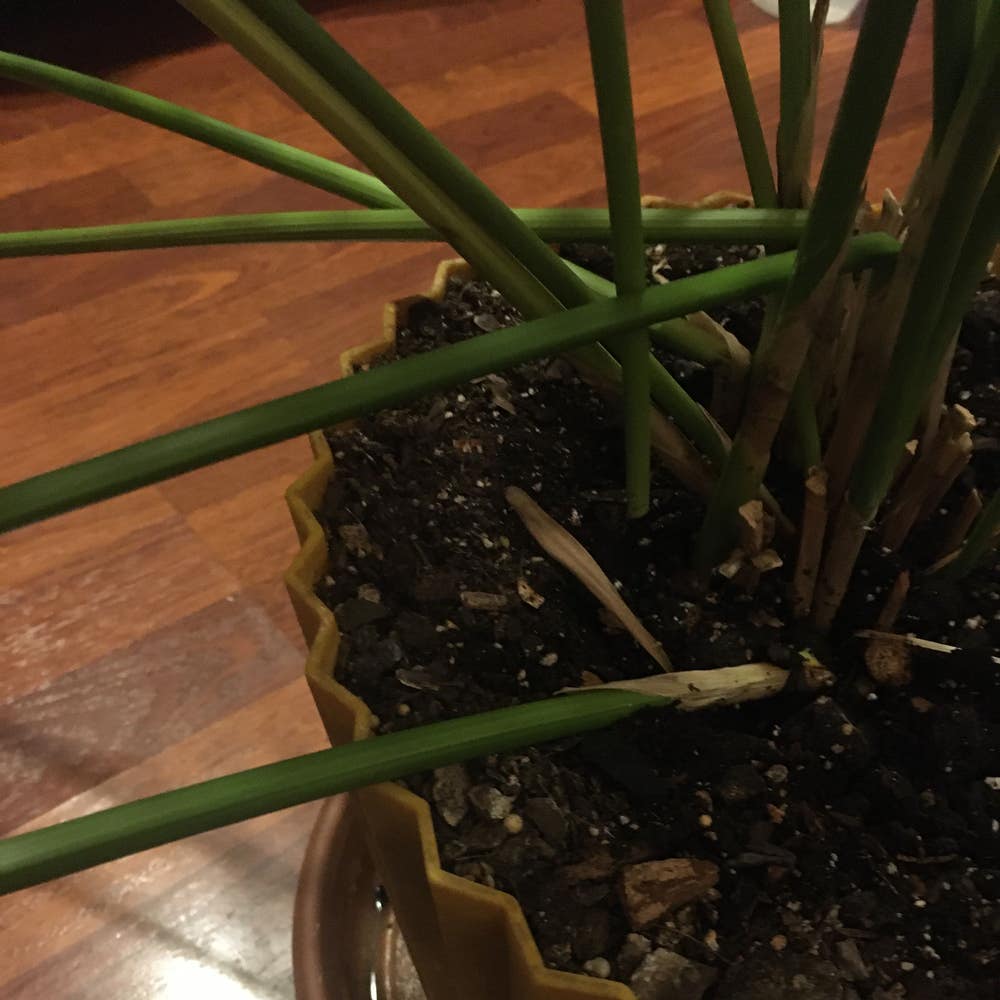
When your Yellow Nutsedge's roots circle the pot's bottom or stage a great escape through the drainage holes, it's a clear-cut sign they're cramped. They're not just being quirky; they're suffocating and begging for a new abode.
🌿 Above the Surface
Stunted growth and a foliage fashion show of distress—yellowing leaves, droopy demeanor—are your plant's way of waving a white flag. It's not just a phase; your plant is literally outgrowing its current situation.
💧 Water Woes
If water zips through the pot like it's on a slip 'n slide, leaving the soil bone-dry, or conversely, if it lounges on top like it's at a spa day, you've got water retention issues. These are textbook symptoms of a root-bound plant in dire need of a change.
Picking the Perfect Pot
💡 Material Matters
Terracotta, plastic, and fabric pots each have their quirks when housing Yellow Nutsedge. Terracotta is porous; it lets the soil breathe, reducing the risk of root rot. However, it means more frequent watering. Plastic is the low-maintenance buddy, lightweight and cost-effective, but it holds moisture like a sponge—watch out for overwatering. Fabric pots are the breathability champions, promoting root health, but they're thirsty and might need replacing sooner.
🍽️ Size It Up
Choosing the right size pot for your Yellow Nutsedge is like picking jeans—too tight, and it's uncomfortable; too loose, and it's sloppy. Aim for a pot that's one size larger than the current one. This gives the roots room to grow without drowning in excess soil, which can stay wet and cause root issues. Remember, a snug fit is key for a happy plant.
The Repotting Rundown
🌱 Getting Ready
Prep work is key. Clear your workspace, and gather your tools: a clean pot, fresh potting mix, sharp scissors, and a sense of adventure. Make sure your new pot is a few inches larger than the old one – your Yellow Nutsedge craves that extra legroom.
🌿 Root TLC
Gently remove your plant from its current pot. Inspect the roots with the focus of a jeweler examining gems. Trim any dead or circling roots to encourage healthy growth. Think of it as a root revival, not a root reprimand.
🌱 Soil and Settling In
Choose a well-draining soil mix; your plant's not picky, but it despises soggy feet. Place a welcoming layer of soil in the new pot. Center your Yellow Nutsedge, then surround it with more mix. Tap the pot to settle the soil – no compacting, just a gentle tuck-in.
Remember, repotting is like a spa day for your plant: a bit stressful at first, but ultimately, a refreshing start.
Aftercare and Adjustments
💧 First Watering
Watering your Yellow Nutsedge after repotting is like hitting the refresh button—it's essential but should be done with care. Give it a moderate drink to settle the roots and soil, but avoid waterlogging. Check the soil's moisture level before adding more water; it should feel dry to the touch.
Monitoring and Maintenance
Keep a close eye on your plant's feedback post-repotting. Yellow leaves? You might be overdoing the H2O. Droopy demeanor? Your plant could be dehydrated. Adjust your care routine accordingly, and remember, it's not being needy—it's just acclimating. Bright, indirect light is your plant's best friend during this time, so find a spot that's just right.
⚠️ Safety First
This content is for general information and may contain errors, omissions, or outdated details. It is not medical, veterinary advice, or an endorsement of therapeutic claims.
Always consult a qualified healthcare professional before using any plant as food, medicine, or supplement.
Never eat any plant (or feed one to pets) without confirming its identity with at least two trusted sources.
If you suspect poisoning, call Poison Control (800) 222-1222, the Pet Poison Helpline (800) 213-6680, or your local emergency service immediately.
Spotted an error? Please report it here.
Repot with precision 🌿 by using Greg to monitor your yellow nutsedge's post-repotting needs, ensuring a seamless transition with tailored watering and light reminders.