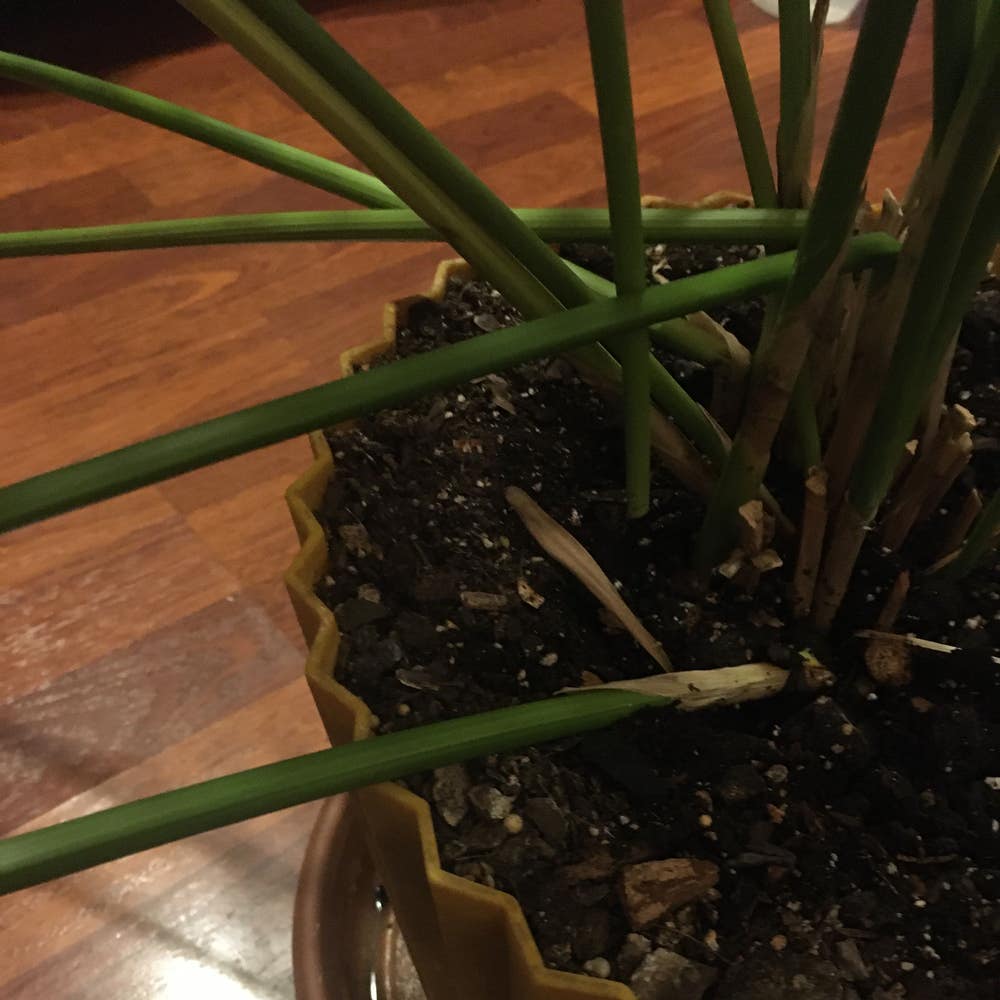
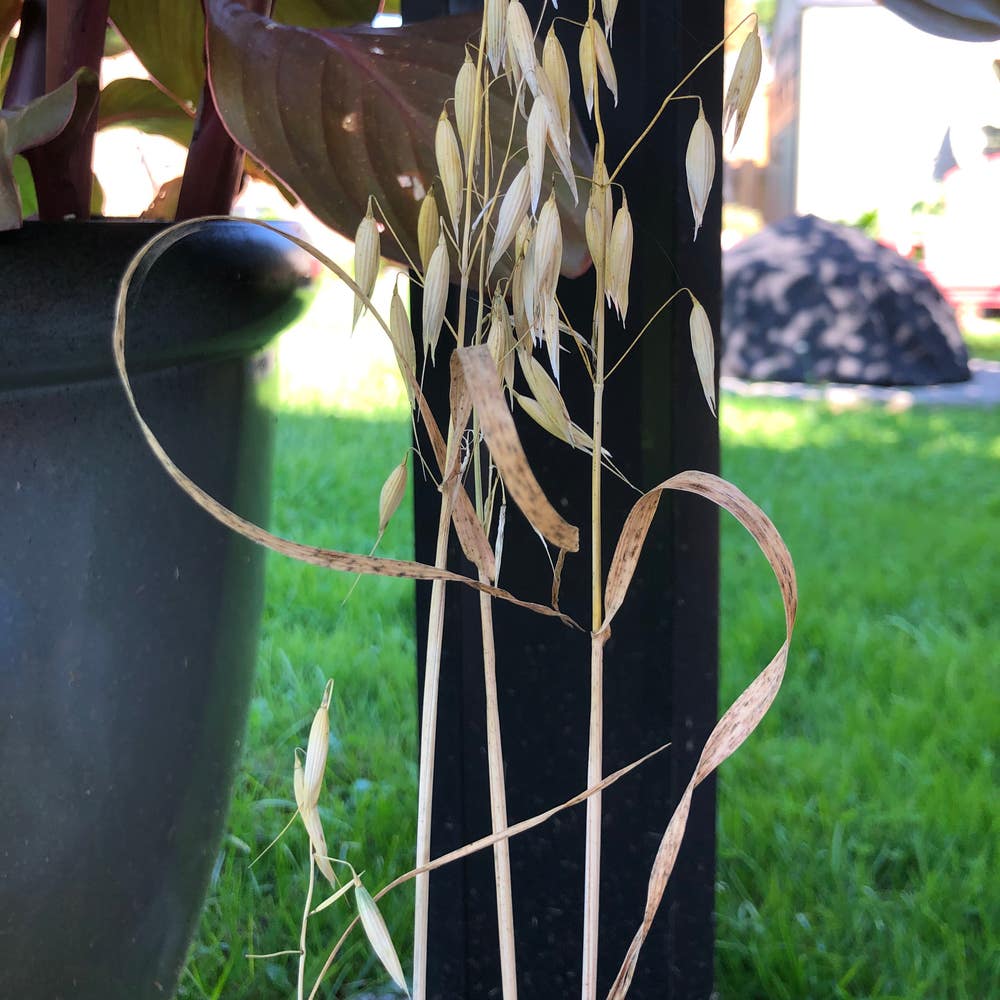
How to Prune Yellow Nutsedge
Cyperus esculentus
By the Greg Editorial Team
Mar 22, 2024•3 min read
This article was created with the help of AI so we can cover more plants for you. May contain errors. See one? Report it here.
Achieve a manicured garden and curb invasive growth with expert Yellow Nutsedge pruning tips 🌿✂️.
- Prune in spring/early summer for plant resilience and growth.
- Use sharp tools; follow guide to maintain shape and control spread.
- Post-prune care is crucial for healthy regrowth and pest prevention.
Timing Your Pruning for Success
🌼 Identifying the Right Season
Pruning Yellow Nutsedge isn't a year-round affair. Spring and early summer are your golden tickets, as the plant is in its prime growth phase. This timing ensures resilience and encourages a robust comeback. Miss this window, and you're gambling with the plant's vigor.
🌱 Understanding Growth Patterns
Yellow Nutsedge has a growth pattern that's as predictable as a sitcom plot. It thrives in warm weather, making its active period the best time for pruning. Cutting during dormancy or late growth stages is like trying to wake a hibernating bear—it won't yield the results you want. Keep your shears in sync with its life cycle for optimal health and aesthetics.
Essential Pruning Tools and Techniques
🔪 Selecting the Right Tools
Pruning Yellow Nutsedge requires precision. Sharp pruning shears are non-negotiable; they're the bread and butter of your toolkit. For those intricate cuts, consider precision pruners or micro snips. Always clean your tools before and after use with soapy water and rubbing alcohol to prevent disease spread. Keep them sharp; a dull tool is a sad tool.
🌿 Step-by-Step Pruning Guide
- Suit up with protective gloves; Yellow Nutsedge doesn't play nice.
- Inspect the plant for damaged or diseased growth—these areas need to go.
- Plan your attack. Aim to maintain the plant's natural shape while showing the door to unwanted growth.
- Snip at the base of the unwanted shoots, avoiding healthy tissue like it's a spoiler for the latest hit show.
- Clean up your battlefield. Dispose of the cuttings properly to prevent any unwanted sequels.
💇 Shaping Your Nutsedge
To shape your Nutsedge, think of it as a haircut. You want to control the spread and maintain that chic look. Trim the edges to keep it from invading other plant's personal space. Remember, each cut is a statement—make it count.
Special Considerations for Flowering Stalks
🌼 To Cut or Not to Cut
When it comes to flowering stalks of Yellow Nutsedge, the decision to snip or not is crucial. These stalks can sap the plant's energy, potentially affecting its vigor and future growth. If you're aiming for a robust, less invasive Nutsedge, consider removing these energy hogs.
🌱 Impact on Plant Health and Spread
Removing flowering stalks isn't just about aesthetics; it's a health call. Seed-heads can lead to unwanted spreading, turning your garden into a Nutsedge jungle. By cutting them off, you're not only managing growth but also preventing a full-scale invasion. Remember, a clean cut back to the base is your best defense against pests and diseases, keeping your Nutsedge in fighting form.
Post-Pruning Care
🌱 Encouraging Healthy Regrowth
After you've given Yellow Nutsedge its haircut, don't ghost it. This plant needs a buddy to cheer it on through its recovery phase. Watering is like the plant's favorite comfort food—give it enough to feel loved, but don't drown it in affection. Light is another best friend; make sure it's getting plenty to photosynthesize its way back to glory. Hold off on the pep talk, also known as fertilizer, until new growth has confidently emerged.
🕵️ Monitoring for Common Issues
Keep a sharp eye out for the plant's SOS signals post-pruning. Yellowing leaves? Could be a sign it's not getting enough TLC. New growth coming in slower than a snail? Time to reassess your plant care strategy. And if you spot any pests trying to throw a party on your vulnerable Nutsedge, shut it down with some organic pest control moves. Remember, vigilance is key—don't let your guard down until your plant is back to flexing its green muscles.
⚠️ Safety First
This content is for general information and may contain errors, omissions, or outdated details. It is not medical, veterinary advice, or an endorsement of therapeutic claims.
Always consult a qualified healthcare professional before using any plant as food, medicine, or supplement.
Never eat any plant (or feed one to pets) without confirming its identity with at least two trusted sources.
If you suspect poisoning, call Poison Control (800) 222-1222, the Pet Poison Helpline (800) 213-6680, or your local emergency service immediately.
Spotted an error? Please report it here.
Prune your Yellow Nutsedge just right 🌿 with Greg's custom care reminders and community tips for a garden that's both beautiful and manageable.