9 Facts About Yellow Nutsedge Lifecycle
Cyperus esculentus
By the Greg Editorial Team
Nov 26, 2024•5 min read
This article was created with the help of AI so we can cover more plants for you. May contain errors. See one? Report it here.
Unlock the secrets of yellow nutsedge 🌱 to cultivate or control this resilient plant in your garden effectively!
- 🌱 Yellow nutsedge germinates quickly, within 7 to 14 days under optimal conditions.
- 🌡️ Ideal soil temperatures for germination range from 20°C to 30°C (68°F to 86°F).
- 🌼 Flowering occurs in late summer, attracting pollinators and leading to seed production.
Germination Stage
🌱 Duration of Germination
The germination period for yellow nutsedge typically spans 7 to 14 days under optimal conditions. This relatively quick turnaround allows the plant to establish itself efficiently in suitable environments.
🌞 Conditions for Successful Germination
To thrive, yellow nutsedge requires specific conditions.
Soil Temperature
Soil temperatures between 20°C to 30°C (68°F to 86°F) are ideal for germination. This warmth encourages the seeds to sprout and begin their lifecycle.
💧 Moisture Requirements
Consistently moist soil is crucial, but be cautious of waterlogging. Too much water can hinder germination, while too little can dry out the seeds.
💡 Light Conditions
Interestingly, yellow nutsedge can germinate in both light and dark conditions. This adaptability allows it to thrive in various environments, making it a resilient plant.
Understanding these germination conditions is vital for anyone looking to manage or cultivate yellow nutsedge effectively. With the right temperature, moisture, and light, you can witness the remarkable start of this plant's lifecycle.
Next, we will explore the seedling stage, where these young plants begin to establish themselves further.
Seedling Stage
🌱 Characteristics of Seedlings
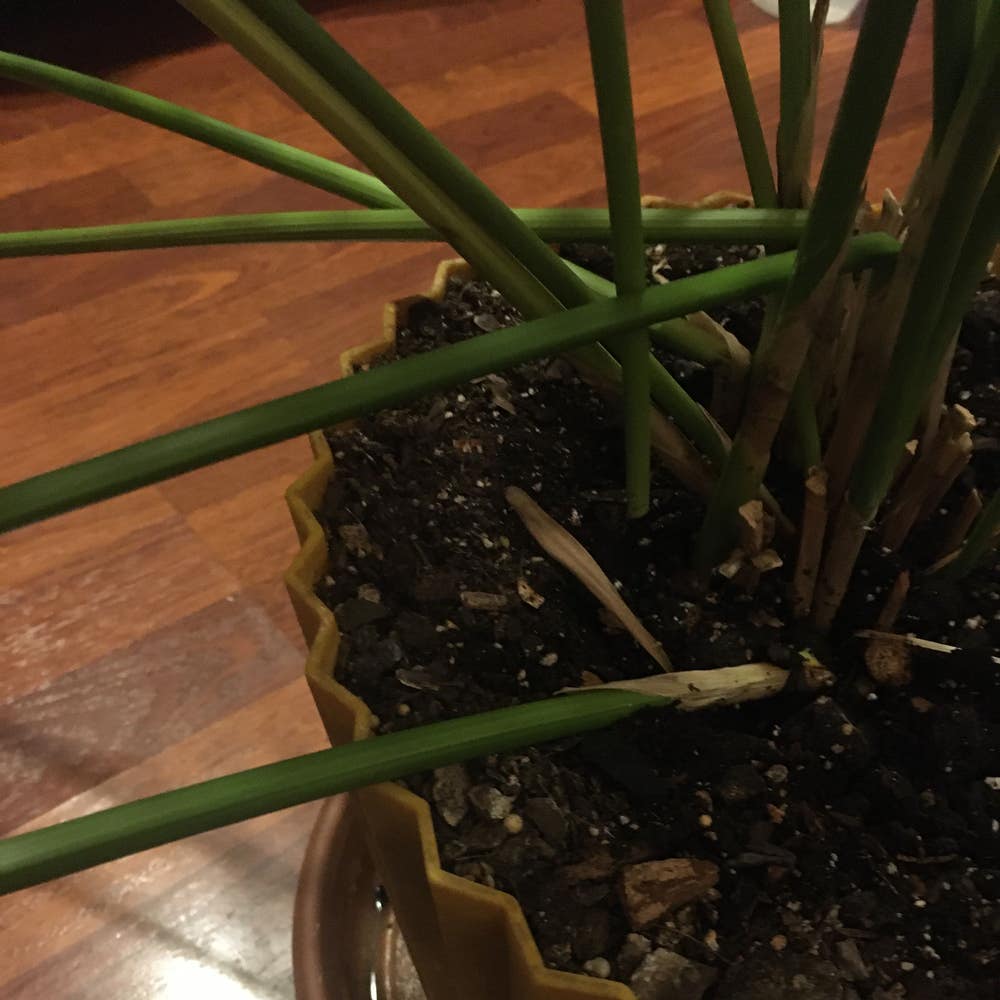
Yellow nutsedge seedlings are easily recognizable. They feature slender, green shoots with a distinct triangular cross-section that sets them apart from other plants.
Their root development is equally fascinating. These seedlings develop a shallow root system that spreads quickly, allowing them to establish themselves in various environments.
⏳ Duration of the Seedling Stage
The seedling stage lasts approximately 2 to 4 weeks. During this time, the seedlings grow stronger and prepare for the next phase of their lifecycle.
Understanding this stage is crucial for managing yellow nutsedge effectively. With the right care, these seedlings can thrive and transition smoothly into vegetative growth.
Vegetative Growth
Description of Vegetative Growth 🌱
During the vegetative growth stage, yellow nutsedge showcases a remarkable growth habit characterized by rapid leaf expansion and tuber formation. These plants can reach impressive heights, typically ranging from 12 to 30 inches, creating a lush green presence in their environment.
Duration and Conditions for Vegetative Growth ⏳
This vigorous growth phase usually lasts between 4 to 8 weeks, depending on environmental factors. For optimal growth, yellow nutsedge thrives in warm temperatures, with adequate moisture and nutrient-rich soil being essential for its development.
The combination of these conditions allows yellow nutsedge to establish itself effectively, setting the stage for the next phases of its lifecycle. Understanding this growth stage is crucial for managing its spread and ensuring healthy plant development.
Flowering and Seed Production
Description of Flowering 🌼
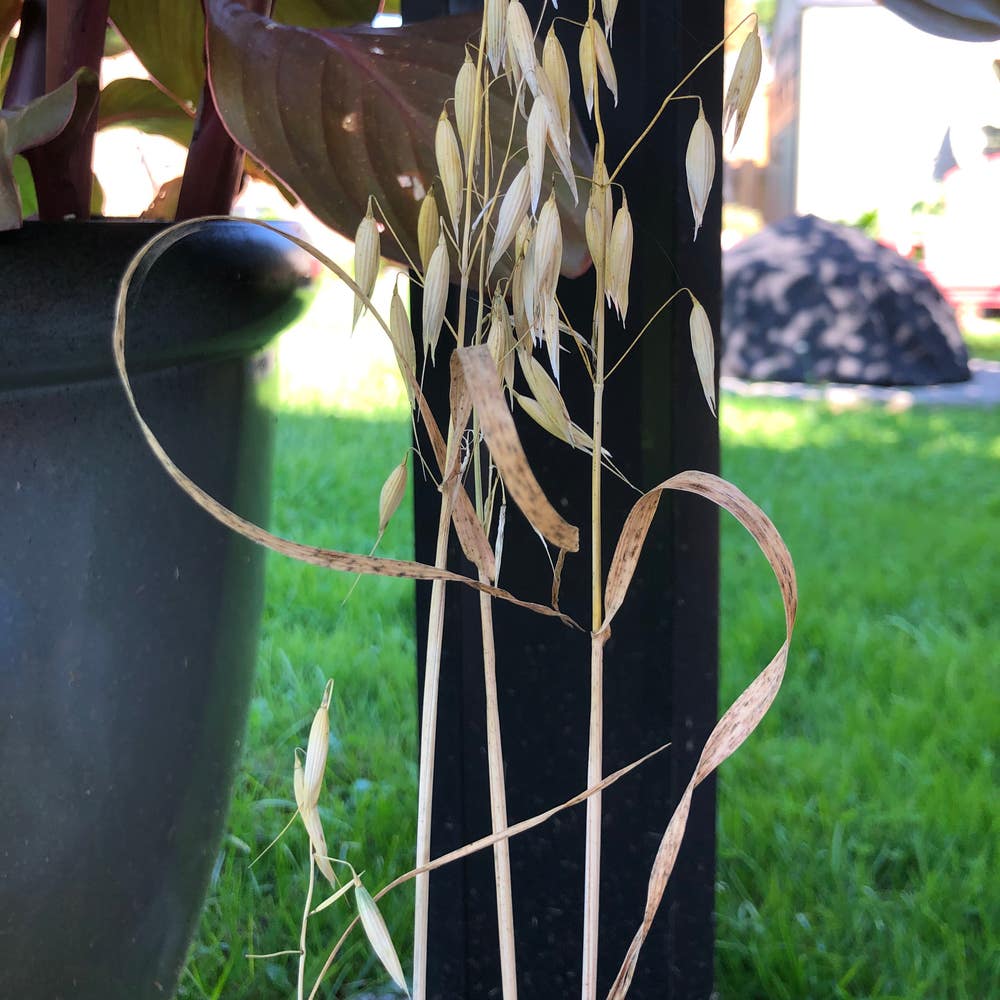
Yellow nutsedge produces small, yellowish-green flowers that cluster together, creating a striking visual display. This flowering typically occurs in late summer to early fall, marking a significant phase in its lifecycle.
Duration of Flowering ⏳
The flowering period lasts about 2 to 4 weeks, providing ample time for pollination and subsequent seed formation. During this time, the plant is at its most vibrant, attracting various pollinators.
Pollination and Seed Formation 🐝
Pollination in yellow nutsedge is primarily through self-pollination, although wind and insects can facilitate cross-pollination. Once pollination is successful, seed formation begins, leading to the development of seed heads that are crucial for the plant's reproduction.
Duration of Seed Production ⏲️
Seed production takes an additional 4 to 6 weeks after flowering, allowing the seeds to mature fully. This timeframe is essential for ensuring that the seeds are viable for dispersal.
Seed Dispersal Mechanisms 🌬️
Seeds are dispersed through various methods, including wind, water, and animal activity. These mechanisms play a vital role in spreading yellow nutsedge across different environments, ensuring its survival and proliferation.
As we explore the growth rate and maturation of yellow nutsedge, we’ll uncover how environmental factors influence its development and adaptability.
Growth Rate and Maturation
How Long Until Yellow Nutsedge is Fully Grown? 🌱
Yellow nutsedge typically reaches full maturity within 8 to 12 weeks after germination. This rapid growth can be surprising, especially for those unfamiliar with its lifecycle.
Factors Affecting Growth Rate 🌡️
Several environmental factors influence the growth rate of yellow nutsedge. Key elements include temperature, moisture levels, and soil type, all of which play a crucial role in its development.
Competition with Other Plants 🌿
Competition with other plants can significantly slow the growth of yellow nutsedge. In densely vegetated areas, it may struggle to thrive, impacting its overall health and vigor.
Comparison of Growth Rates in Different Environments 🌍
Growth rates vary dramatically between optimal and stressed conditions. In ideal environments, yellow nutsedge flourishes, while drought or nutrient-poor soil can hinder its progress.
Notable Changes Throughout Lifecycle 🌼
As yellow nutsedge matures, it undergoes notable visual changes. It transitions from small green shoots to tall, robust plants adorned with flowering heads.
Adaptation Strategies 🛠️
This plant has developed impressive adaptation strategies, such as tuber formation. These tubers serve as nutrient storage and enhance drought resistance, allowing it to survive in challenging conditions.
Seasonal Effects ❄️
Seasonal changes also impact growth rates. In colder months, growth may slow, affecting the timing of flowering and seed production, which can alter the plant's lifecycle significantly.
Understanding these aspects of yellow nutsedge's growth and maturation can help in managing its presence effectively. Next, we will explore the flowering and seed production stages, delving into how this plant reproduces and spreads.
⚠️ Safety First
This content is for general information and may contain errors, omissions, or outdated details. It is not medical, veterinary advice, or an endorsement of therapeutic claims.
Always consult a qualified healthcare professional before using any plant as food, medicine, or supplement.
Never eat any plant (or feed one to pets) without confirming its identity with at least two trusted sources.
If you suspect poisoning, call Poison Control (800) 222-1222, the Pet Poison Helpline (800) 213-6680, or your local emergency service immediately.
Spotted an error? Please report it here.
Master the lifecycle of yellow nutsedge for effective control 🌱 by using Greg's tailored watering and care reminders to keep your garden thriving and free from unwanted growth!