💧 Why Are My Yellow Nutsedge Leaves Mushy?
Cyperus esculentus
By the Greg Editorial Team
Mar 22, 2024•4 min read
This article was created with the help of AI so we can cover more plants for you. May contain errors. See one? Report it here.
Stop the squish! 🛑 Learn to fix mushy Yellow Nutsedge leaves for a thriving, firm plant. 🌿
- Overwatering and poor drainage lead to mushy Yellow Nutsedge leaves.
- Fungal infections and nutrient imbalances also cause leaf mushiness.
- Optimize watering, airflow, and soil to prevent and fix mushiness.
Spotting the Trouble: Signs Your Yellow Nutsedge is Unhappy
🌱 Visual Symptoms of Mushiness
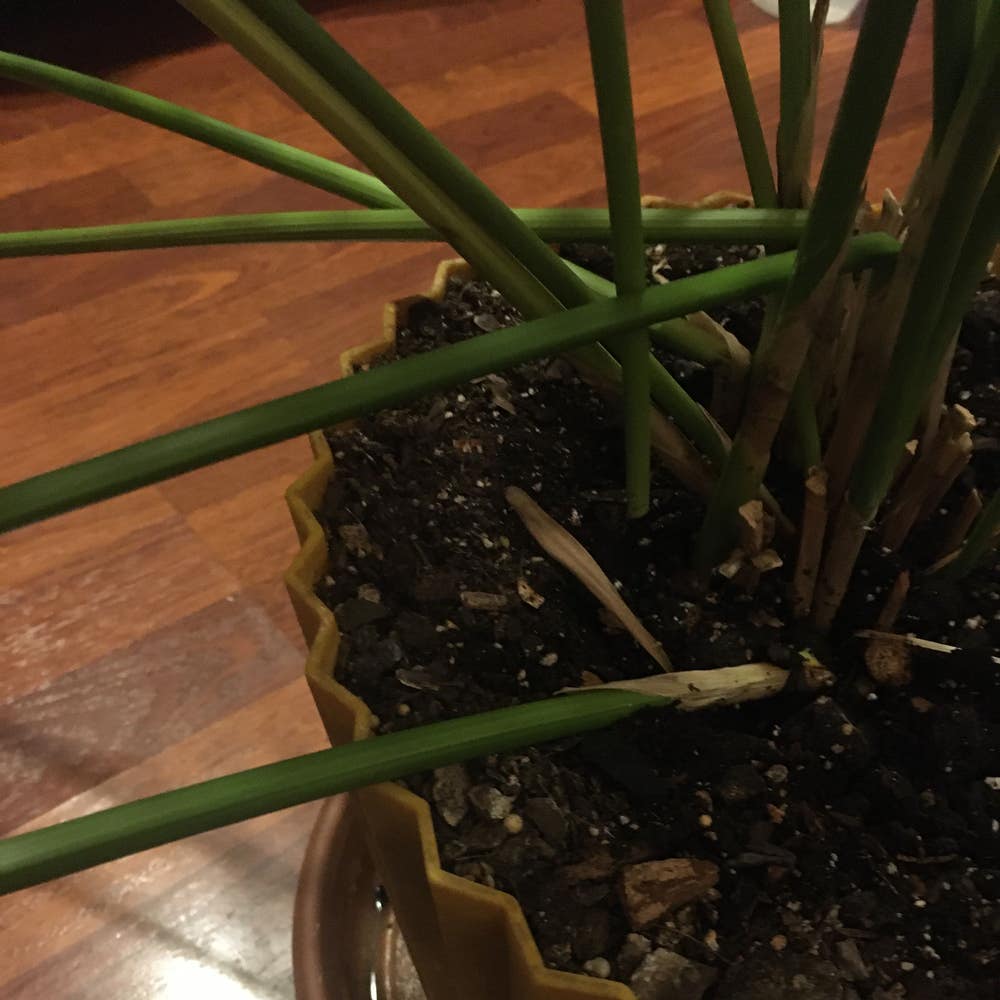
Yellow Nutsedge should stand out with its yellow-green color and shiny leaves. When leaves turn mushy, they often become discolored, resembling overcooked vegetables rather than vibrant foliage. Texture is also a giveaway; leaves should be firm, not soggy or limp.
🌿 When to Suspect Root and Soil Issues
Root health is crucial. If the roots are brown and squishy, you're likely dealing with root rot. Soil that smells musty or feels too wet is a clear sign of trouble. Compacted soil can also lead to mushiness; it needs aeration to allow water flow and prevent root suffocation.
Unearthing the Causes: Why Your Plant's Leaves are Mushy
💦 Too Much Love: The Perils of Overwatering
Overwatering is akin to drowning your Yellow Nutsedge in affection. If the soil is constantly wet, you're in deep water—literally. Leaves that fall off with a mere poke are a surefire sign that you need to dial back on the H2O.
🍄 Unwanted Guests: Fungal Foes
Fungi are the stealthy saboteurs of the plant world. They flourish in dampness, turning robust leaves into a mushy mess. Spotted brown lesions or a powdery coating? It's time to declare war on these microscopic invaders.
🌿 Feeding Frenzy: Nutrient Imbalances
Nutrient imbalances can wreak havoc, leading to leaf mushiness. Too much fertilizer and your plant's leaves go limp; too little and they can't hold their own. Striking the right balance is key to avoiding a nutrient-induced squish-fest.
Fixing the Squish: Getting Your Yellow Nutsedge Back to Firm
🚰 Draining the Swamp: Soil and Water Management
Overwatering is the equivalent of giving your plant a bath when it just needs a sip. Check the pot for adequate drainage holes and consider a switch if it's more of a bowl than a colander. For in-ground plants, improve soil structure by mixing in organic matter or using raised beds to prevent water from pooling.
🍄 Fungus Among Us: Battling Back the Mold and Mildew
When mold and mildew crash the party, it's time to show them the door. Cut back on watering and crank up the airflow to make the environment less inviting. If they're stubborn, bring out the fungicide. Start with organic options and only bring out the heavy artillery if needed. And remember, pruning isn't just a beauty treatment; it's a strategic strike to improve air circulation.
🍽️ A Balanced Diet: Nutrient Management
Yellow Nutsedge is no glutton—it prefers a balanced diet. Conduct a soil test to check for nutrient imbalances. If the soil is too rich or too poor, it's time for an intervention. Amend the soil to hit the sweet spot of nutrient levels, ensuring your plant can absorb what it needs without getting bloated.
Keeping It Firm: Preventative Measures for a Healthy Yellow Nutsedge
💧 Water Wisely: Avoiding the Overwatering Trap
Watering just right is crucial. Yellow Nutsedge enjoys moisture but despises soggy feet. To avoid overwatering, let the soil dry out slightly between waterings. This prevents the roots from becoming waterlogged, which can lead to mushy leaves. Stick your finger into the soil; if it's dry an inch down, it's time to water.
🌿 Environment is Everything: Optimizing Conditions
Creating the ideal environment is your best defense against mushiness. Ensure good drainage by amending soil with organic matter or using a well-draining potting mix. Keep your Yellow Nutsedge in a spot with ample light and good air circulation to discourage fungal growth. Monitor humidity levels; too much can invite unwanted fungal guests. Remember, a stressed plant is more susceptible to issues, so keep your Nutsedge happy and it will be less likely to succumb to problems.
⚠️ Safety First
This content is for general information and may contain errors, omissions, or outdated details. It is not medical, veterinary advice, or an endorsement of therapeutic claims.
Always consult a qualified healthcare professional before using any plant as food, medicine, or supplement.
Never eat any plant (or feed one to pets) without confirming its identity with at least two trusted sources.
If you suspect poisoning, call Poison Control (800) 222-1222, the Pet Poison Helpline (800) 213-6680, or your local emergency service immediately.
Spotted an error? Please report it here.
Avoid mushy leaves 🌿 in your Yellow Nutsedge by using Greg to ensure perfect watering and soil moisture, keeping your plant's roots healthy and strong.