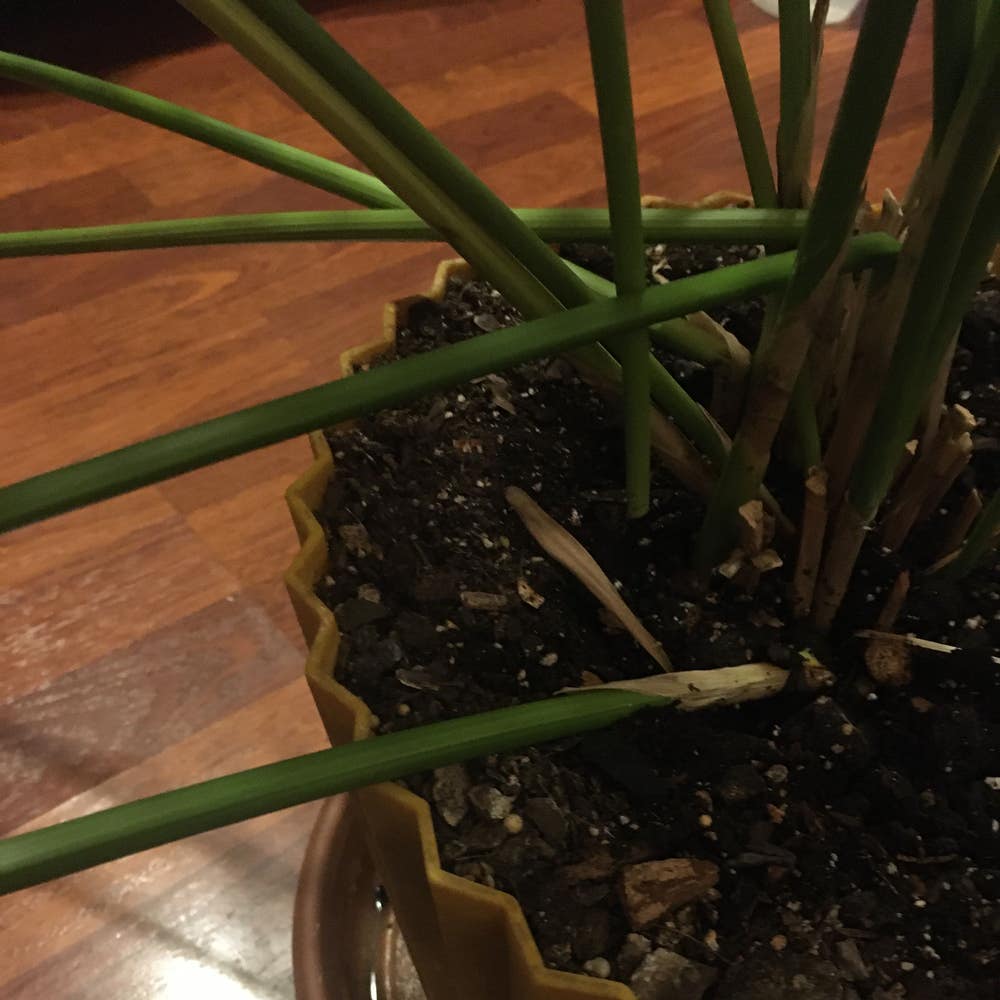
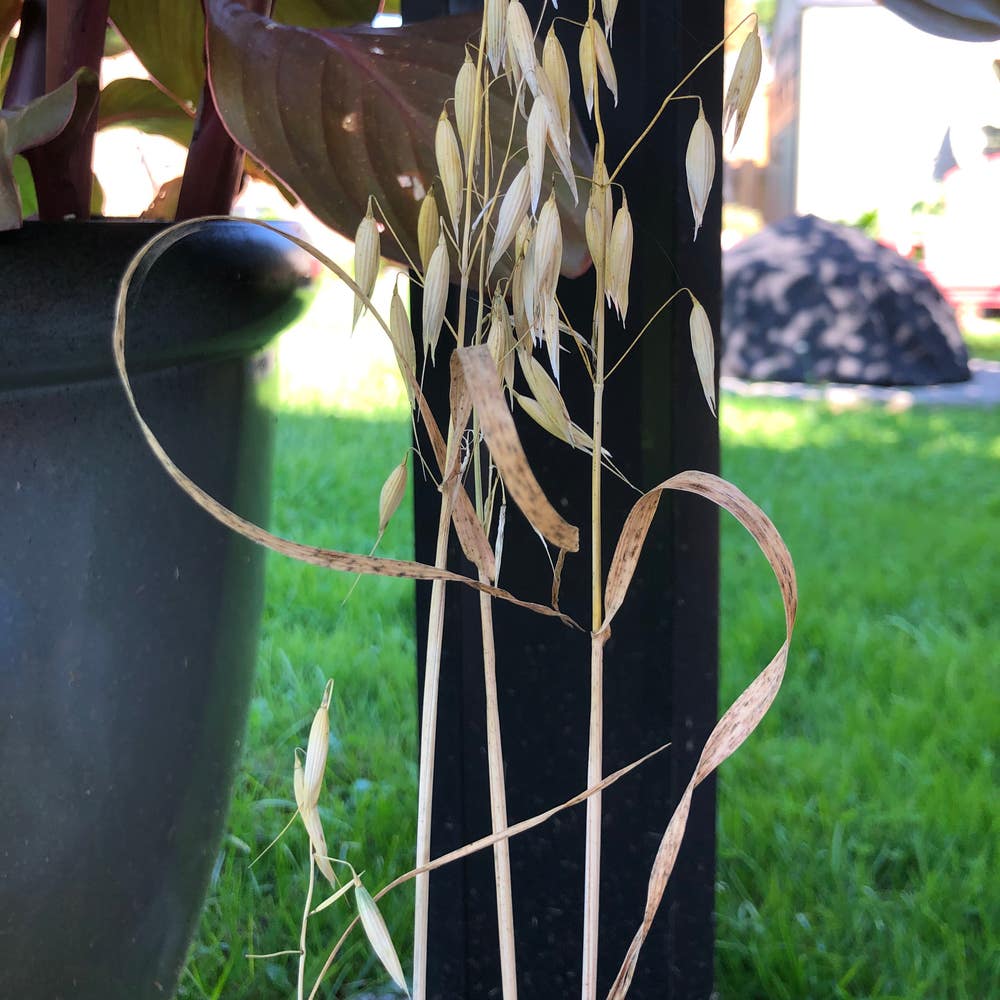
Why Are My Yellow Nutsedge Leaves Curling?
Cyperus esculentus
By the Greg Editorial Team
Mar 22, 2024•4 min read
This article was created with the help of AI so we can cover more plants for you. May contain errors. See one? Report it here.
Uncover the secret to unwinding those pesky Yellow Nutsedge curls and keep your garden thriving! 🌿🌀
- Curling indicates distress; don't overlook this sign in Yellow Nutsedge.
- Balance water and nutrients to prevent and fix leaf curling.
- Monitor environment and care regularly to maintain flat, healthy leaves.
Spotting the Curl: Identifying the Problem
🚨 Visual Symptoms
Yellow Nutsedge leaves curling is like a silent alarm bell. Look for leaves that are more twisted than a pretzel. If they're turning as yellow as a lemon or have the texture of stale lettuce, it's a sign your plant is in distress. Don't wait for your Nutsedge to wave a white flag; these visual clues are your cue to act.
🔍 Root Health Check
Roots should be the color of fresh coconut meat, not like they've been soaked in coffee. If they're softer than overcooked noodles, you've got trouble brewing below the soil. Root rot often plays the villain in the tale of curling leaves, so don your detective hat and start digging for clues.
Unraveling the Curl: Common Culprits
💧 Water Woes
Watering your Yellow Nutsedge can be a bit like a Goldilocks scenario—not too much, not too little, but just right. Overwatering leads to leaves curling downwards, a sign they're drowning in excess moisture. Underwatering, on the other hand, results in leaves curling upwards, as if reaching for a drop to drink. Aim for moist soil that's never soggy or bone-dry.
🍽️ Nutrient Know-How
Nutrient imbalances can turn your Nutsedge leaves into an unsightly mess. Yellowing leaves often scream for nitrogen, while crispy edges might be begging for potassium. A balanced fertilizer with an even NPK ratio is the way to go. But remember, too much love in the form of fertilizer can be just as harmful as neglect.
🌬️ Battling the Elements
Your Nutsedge is no fan of extreme makeovers courtesy of Mother Nature. Sun, wind, and temperature fluctuations can stress out your plant, causing leaves to curl as a cry for help. A little shade during peak sun hours and a windbreak can make a world of difference. And don't forget to adjust your care with the changing seasons—your plant's needs will vary throughout the year.
Fixing the Curl: Effective Solutions
💧 Watering Wisdom
Watering your Yellow Nutsedge can feel like a high-stakes game of poker, but it doesn't have to. Consistency is your ace in the hole. During summer's heat, your plant's thirst spikes, so water more. In cooler months, it's time to ease off the hydration pedal. Use a moisture meter to read the soil's mood before you pour; it's the secret handshake between you and your plant.
🍽️ Nutrient Nudges
Your Nutsedge isn't on a diet; it needs its nutrients. If the leaves are curling, it might be screaming for a snack. A soil test is your detective kit to uncover nutrient deficiencies. Respond with a balanced fertilizer—think of it as a multivitamin for your green buddy. But remember, moderation is the name of the game. Over-fertilizing is like feeding your plant junk food—it's just as bad as starving it.
🌞 Environmental Equilibrium
Creating a comfy microclimate for your Nutsedge is like tailoring the perfect outfit—it has to fit just right. Too much sun? Get some shade cloth. Windy? A barrier might be in order. And humidity—aim for that sweet spot of 40-60%. It's like setting the thermostat to "plant cozy." If the air's too dry, a pebble tray or humidifier can be your plant's best friend.
Keeping the Leaves Flat: Prevention Tactics
🌿 Consistent Care Routine
Establish a routine that's as reliable as your favorite coffee mug. Water and fertilize your Yellow Nutsedge with the precision of a Swiss watch. This isn't about coddling; it's about giving your plant the structure it craves.
🔍 Ongoing Observation
Be the Sherlock Holmes of plant care. Regular checks are your magnifying glass to spot the early signs of leaf curl. Vigilance is key; it's not paranoia if the pests really are out to get your Nutsedge. Keep a keen eye on your green friend, and act swiftly at any signs of distress.
⚠️ Safety First
This content is for general information and may contain errors, omissions, or outdated details. It is not medical, veterinary advice, or an endorsement of therapeutic claims.
Always consult a qualified healthcare professional before using any plant as food, medicine, or supplement.
Never eat any plant (or feed one to pets) without confirming its identity with at least two trusted sources.
If you suspect poisoning, call Poison Control (800) 222-1222, the Pet Poison Helpline (800) 213-6680, or your local emergency service immediately.
Spotted an error? Please report it here.
Prevent Yellow Nutsedge leaves from curling by maintaining perfect balance ⚖️ with Greg's custom watering and fertilizing reminders tailored to your plant's needs!