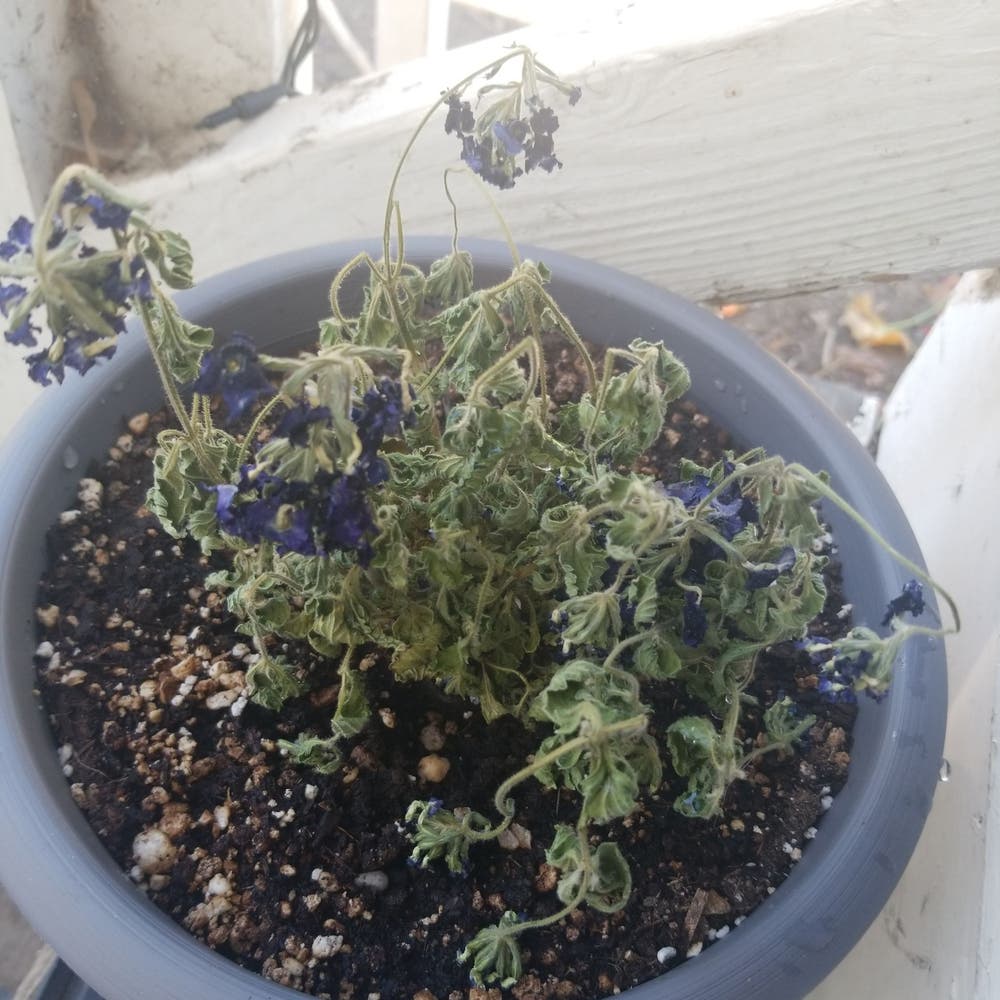
Identifying What is Eating Your Verbena 'Lollipop' 🐞
Verbena bonariensis 'Lollipop'
By the Greg Editorial Team
Oct 15, 2024•6 min read
This article was created with the help of AI so we can cover more plants for you. May contain errors. See one? Report it here.
- 🌼 Verbena 'Lollipop' attracts herbivores, risking health; monitor for signs of damage.
- 🦌 Deer and rabbits can severely damage plants; use barriers and repellents to protect.
- 🐦 Birds and rodents also pose threats; implement netting and traps for effective management.
Description and Appeal of Verbena 'Lollipop'
Verbena 'Lollipop' is a delightful addition to any garden, boasting a compact growth habit and stunning vibrant purple flowers. This charming plant typically reaches a height of 12-18 inches and spreads about 12-15 inches, making it perfect for borders or container gardening.
🌱 Ideal Growing Conditions
To thrive, Verbena 'Lollipop' prefers well-drained soil and is drought-resistant, making it a low-maintenance choice for busy gardeners. Its resilience allows it to flourish even in less-than-ideal conditions, which is a huge plus for those looking to add color without constant care.
🐾 Attracting Herbivores
While its beauty is undeniable, the young shoots and nectar-rich flowers of Verbena 'Lollipop' can attract various herbivores. This allure can lead to potential damage, so it's essential to be aware of the creatures that might find your plant irresistible.
In summary, Verbena 'Lollipop' is not just a pretty face; it’s a hardy, vibrant plant that can enhance your garden while also posing some challenges. Understanding its appeal can help you better protect it from the herbivores that may be drawn to its charm.
Next, let's explore the common herbivores that might be munching on your beloved Verbena 'Lollipop'.
Common Herbivores Affecting Verbena 'Lollipop'
🦌 Deer
Signs of Damage
Deer often browse on the leaves and flowers of Verbena 'Lollipop', leaving behind ragged edges on the foliage. If you notice this kind of damage, it's a clear sign that deer are in the area.
Impact
These herbivores can be quite harmful, as they may decimate your plants if not managed effectively. Their appetite can lead to significant loss in both health and aesthetics of your garden.
Management Strategies
To deter deer, consider using chemical repellents available in stores. Alternatively, organic methods like garlic spray, human hair, or soap shavings can be effective, although they require moderate effort to implement.
🐇 Rabbits
Signs of Damage
Rabbits leave behind cleanly cut stems and leaves, often accompanied by droppings near the plant. This distinct damage can help you identify their presence quickly.
Impact
These furry pests can stunt growth or even lead to the death of your Verbena 'Lollipop'. Their nibbling habits can significantly affect your plant's vitality.
Management Strategies
Installing a 2-3 feet tall wire mesh barrier can effectively keep rabbits at bay. For an organic approach, try using cayenne pepper or predator urine to deter them.
🐿️ Squirrels
Signs of Damage
Look for gnawed stems and flowers, along with disturbed soil around the base of the plant. These signs indicate that squirrels are likely causing trouble.
Impact
Squirrels can hinder flowering and growth, making them a generally harmful presence in your garden. Their antics can disrupt the overall health of your plants.
Management Strategies
Commercial squirrel repellents can help keep these critters away. Additionally, planting strong-smelling herbs nearby can serve as an organic deterrent, requiring moderate effort.
🐦 Birds
Signs of Damage
Pecked flowers and missing seeds are common indicators of bird activity. You may also notice nesting nearby, which can lead to further issues.
Impact
While birds can be beneficial for pollination, they can also harm your plants by consuming too many seeds. Striking a balance is essential for a healthy garden.
Management Strategies
Using lightweight mesh netting can protect your flowers from pecking. Organic deterrents like reflective tape or wind chimes can also scare birds away easily.
🐭 Rodents (Mice, Voles)
Signs of Damage
Chewed stems and roots, along with burrows near the plant base, signal rodent activity. These signs can indicate a more significant problem.
Impact
Rodents can cause significant damage to your Verbena 'Lollipop', making them a harmful presence. Their feeding habits can lead to severe plant distress.
Management Strategies
Setting traps, either snap or live, can help manage rodent populations effectively. For an organic approach, peppermint oil or castor oil can deter them, though this may require more effort.
🦡 Groundhogs/Woodchucks
Signs of Damage
Look for large bites taken from stems and leaves, as well as burrows near garden beds. These signs are telltale indicators of groundhog activity.
Impact
Groundhogs can be particularly destructive, often capable of destroying entire plants. Their presence can lead to significant losses in your garden.
Management Strategies
To keep groundhogs out, install a 3-4 feet tall fence with buried edges. Additionally, planting deterrent plants like marigolds can serve as an organic method to protect your Verbena 'Lollipop'.
Understanding these common herbivores and their management strategies is crucial for maintaining the health of your Verbena 'Lollipop'. With the right approach, you can enjoy a thriving garden while keeping unwanted visitors at bay.
Beneficial Animals and Their Role
🌼 Positive Impacts
When it comes to your Verbena 'Lollipop', not all animals are foes. In fact, some play a crucial role in enhancing your garden's health.
Pollinators
Bees and butterflies are drawn to the vibrant flowers of Verbena 'Lollipop'. Their presence not only adds beauty but also boosts pollination, leading to more robust plant growth.
Predatory Insects
Ladybugs and lacewings are nature's pest controllers. They help keep harmful insect populations in check, ensuring your Verbena thrives without excessive chemical intervention.
🌱 A Balanced Ecosystem
Encouraging these beneficial creatures can create a harmonious garden environment. By understanding their roles, you can foster a thriving ecosystem that supports both your plants and the wildlife around them.
As you appreciate the positive impacts of these animals, consider how to protect your Verbena 'Lollipop' from the herbivores that threaten its beauty.
General Protection Strategies for Verbena 'Lollipop'
🛡️ Preventive Measures
To keep your Verbena 'Lollipop' thriving, consider planting it in less accessible areas. This simple step can significantly reduce the chances of herbivores munching on your prized plants.
Using physical barriers like fencing or netting is another effective strategy. A well-placed fence can deter larger animals, while netting protects delicate flowers from birds.
⚠️ Reactive Solutions
Monitoring your garden regularly is crucial. Look for signs of animal presence, such as droppings or chewed leaves, to catch issues early.
Once you identify a problem, have immediate action plans ready for different herbivores. Quick responses can save your plants from severe damage.
🌱 Balancing Ecosystem Health
Encouraging beneficial insects is essential for a healthy garden. Pollinators like bees and butterflies not only beautify your space but also help your plants flourish.
At the same time, it's vital to deter harmful animals. Understanding the role of herbivores in your garden ecosystem can help you manage their impact while maintaining balance.
By implementing these strategies, you can protect your Verbena 'Lollipop' while fostering a vibrant garden environment. Next, let’s explore the beneficial animals that contribute positively to your garden's health.
⚠️ Safety First
This content is for general information and may contain errors, omissions, or outdated details. It is not medical, veterinary advice, or an endorsement of therapeutic claims.
Always consult a qualified healthcare professional before using any plant as food, medicine, or supplement.
Never eat any plant (or feed one to pets) without confirming its identity with at least two trusted sources.
If you suspect poisoning, call Poison Control (800) 222-1222, the Pet Poison Helpline (800) 213-6680, or your local emergency service immediately.
Spotted an error? Please report it here.
Protect your Verbena 'Lollipop' from herbivores and ensure its vibrant growth 🌱 with Greg's personalized pest management tips and reminders for a flourishing garden!