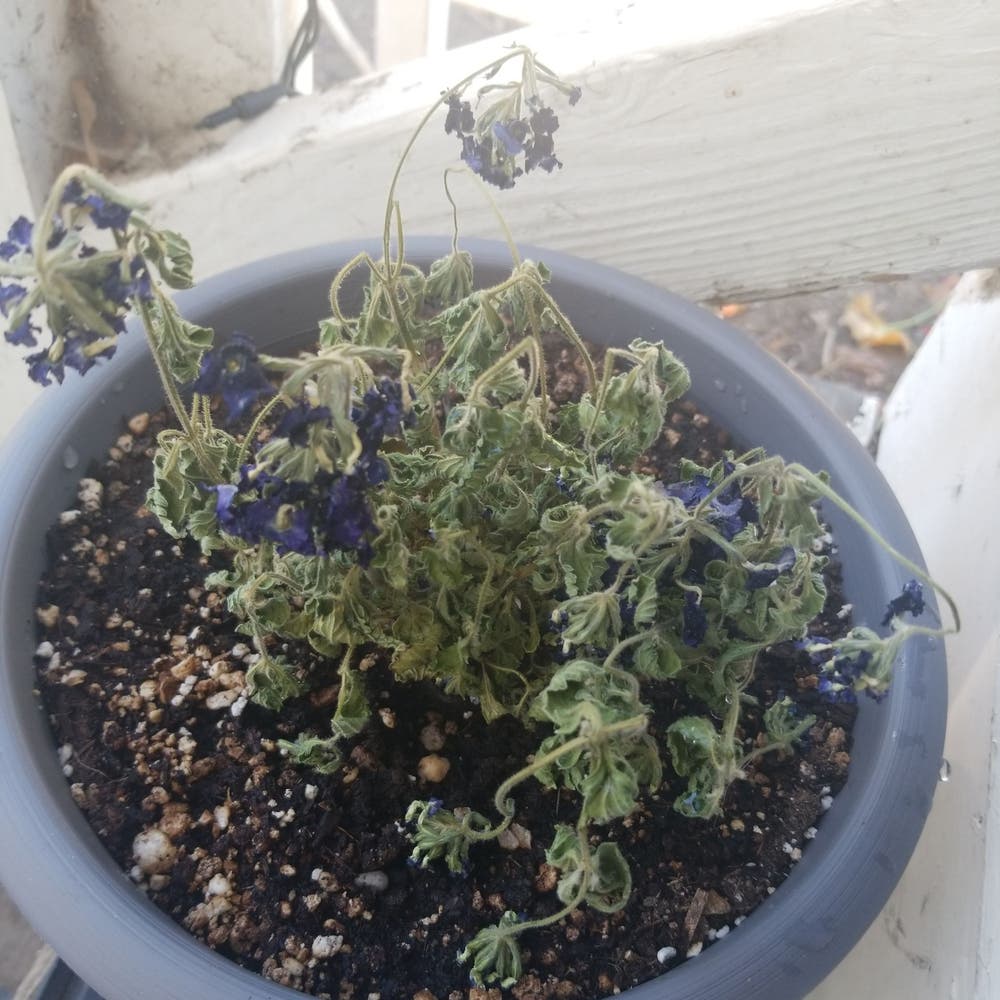
Understanding Curling Leaves on Your Verbena 'Lollipop' 🍭
Verbena bonariensis 'Lollipop'
By the Greg Editorial Team
Oct 15, 2024•6 min read
This article was created with the help of AI so we can cover more plants for you. May contain errors. See one? Report it here.
- 🌱 Leaf curling on Verbena 'Lollipop' results from pests, fungal infections, or environmental stress.
- 🐜 Aphids and spider mites cause curling; check for sticky residue and webbing.
- 💧 Humidity and temperature fluctuations are crucial; maintain stability for healthy leaves.
Common Causes of Leaf Curling
🐜 Pests
Aphids
Aphids are tiny pests that can wreak havoc on your Verbena 'Lollipop.' Look for sticky residue on leaves and distorted growth, which are telltale signs of an infestation.
These sap-sucking insects feed on the plant's vital fluids, leading to leaf curling and stunted growth. If you notice these signs, it's time to take action.
Spider Mites
Spider mites are another common culprit behind leaf curling. You might spot fine webbing on your plants or see speckled leaves, indicating their presence.
These pests cause yellowing and curling of leaves as they feed, weakening your plant over time. Regular inspections can help catch them early.
🍄 Fungal Infections
Powdery Mildew
Powdery mildew is a fungal infection that manifests as white, powdery spots on leaves. This unsightly issue can lead to leaf curling and overall decline of your Verbena.
If left untreated, it can severely impact the health of your plant. Monitoring for symptoms is essential for early intervention.
🌪️ Environmental Stress
Temperature Fluctuations
Sudden temperature changes can shock your Verbena, resulting in leaf curl. This stress can occur during unexpected weather shifts, so keep an eye on the forecast.
Protecting your plants from extreme conditions can help maintain their health and appearance.
Humidity Levels
Humidity plays a crucial role in your plant's well-being. Low humidity can lead to dehydration and curling, while high humidity increases the risk of fungal infections.
Finding the right balance is key to keeping your Verbena thriving. Regularly check humidity levels to ensure optimal growing conditions.
Understanding these common causes of leaf curling can help you take proactive steps to keep your Verbena 'Lollipop' healthy and vibrant. Next, we’ll dive into diagnosing the issue to pinpoint the exact problem affecting your plant.
Diagnosing the Issue
Visual Signs to Look For 🌿
When it comes to diagnosing curling leaves on your Verbena 'Lollipop', the direction of the curl can tell you a lot. Upward curling often indicates pest issues, while downward curling may suggest environmental stress or nutrient deficiencies.
Additionally, pay attention to any color changes in the leaves. Yellowing can signal a nutrient deficiency or pest presence, while browning edges might indicate dehydration or overwatering.
Distinguishing Between Pest Damage and Environmental Factors 🕵️♂️
To get to the root of the problem, start by checking for pests. Inspect the undersides of leaves for aphids or spider mites, as these little critters can wreak havoc on your plant.
Next, assess the environmental conditions. Recent weather changes or improper watering practices can contribute to leaf curling, so take a moment to evaluate how your plant has been treated lately.
By carefully observing these signs, you can pinpoint the cause of your Verbena's distress and take action to restore its health.
Alleviating Curling Leaves
🐛 Treatment Options for Pests
Organic Insecticides
To tackle pests like aphids and spider mites, consider using organic insecticides. Products such as insecticidal soap and neem oil are effective and should be applied every 7-14 days until the pests are under control.
Natural Remedies
Neem oil is a powerhouse against both aphids and spider mites. For minor infestations, a simple homemade soap and water spray can work wonders.
🍄 Addressing Fungal Issues
Fungicides and Their Application
When dealing with fungal infections, you have two main types of fungicides: systemic and contact. Apply these in the early morning or late afternoon to prevent sunburn on your plants.
Cultural Practices to Prevent Fungal Growth
Good air circulation is key to preventing fungal growth. Make sure to space your plants adequately to reduce humidity and always water at the base to keep the foliage dry.
💧 Correcting Watering Practices
Signs of Overwatering vs. Underwatering
Recognizing the signs of overwatering is crucial. Yellowing leaves and soggy soil indicate too much water, while wilting and crispy leaf edges suggest underwatering.
Best Watering Techniques for Verbena 'Lollipop'
Water your Verbena 'Lollipop' when the top inch of soil feels dry. Deep watering encourages robust root growth, helping your plant thrive.
By addressing pests, fungal issues, and watering practices, you can effectively alleviate curling leaves on your Verbena 'Lollipop'. Next, let’s explore how to prevent future curling leaves with best care practices.
Preventing Future Curling Leaves
🌱 Best Practices for Care
Soil Selection and Drainage
Choosing the right soil is crucial for your Verbena 'Lollipop.' Opt for a well-draining potting mix or sandy loam to ensure healthy growth.
Adding perlite or sand can significantly improve soil structure. This enhances drainage, preventing water from pooling around the roots.
Fertilization Tips to Avoid Nutrient Deficiencies
To keep your plants thriving, use a balanced NPK fertilizer during the growing season. This helps provide essential nutrients that prevent leaf curling.
Apply fertilizer every 4-6 weeks for optimal results. Regular feeding supports robust growth and vibrant blooms.
🌦️ Seasonal Considerations
Adjusting Care During Different Seasons
Spring is the perfect time to fertilize and keep an eye out for pests. Early intervention can save your plants from potential damage.
In summer, increase your watering frequency to combat the heat. Staying proactive ensures your Verbena remains hydrated and healthy.
Preparing for Temperature Changes
Winter protection is vital for your plants' survival. Mulching helps insulate roots against freezing temperatures.
During the summer, providing shade can prevent overheating. A little extra care goes a long way in maintaining plant health.
By following these best practices, you can effectively prevent curling leaves and ensure your Verbena 'Lollipop' thrives throughout the seasons. Next, let’s explore the importance of pruning and maintenance for optimal growth.
Pruning and Maintenance
🌱 When and How to Prune Verbena 'Lollipop'
Pruning your Verbena 'Lollipop' is essential for promoting healthy growth. The best time to prune is early spring, just before new growth begins.
Cutting back the plant helps it become bushier and removes any dead or damaged stems. This not only improves its appearance but also encourages more vigorous blooming.
🌼 Importance of Deadheading for Plant Health
Deadheading is a simple yet effective practice that can significantly enhance your plant's health. By pinching off spent flowers, you encourage more blooms and prevent the plant from wasting energy on seed formation.
Regular deadheading keeps your Verbena 'Lollipop' looking vibrant and encourages a longer flowering period. It's a small task that yields big rewards in the garden.
With proper pruning and deadheading, your Verbena 'Lollipop' will thrive, leading to a more beautiful and bountiful display. Next, let’s explore how to prevent future curling leaves to keep your plant in top shape.
⚠️ Safety First
This content is for general information and may contain errors, omissions, or outdated details. It is not medical, veterinary advice, or an endorsement of therapeutic claims.
Always consult a qualified healthcare professional before using any plant as food, medicine, or supplement.
Never eat any plant (or feed one to pets) without confirming its identity with at least two trusted sources.
If you suspect poisoning, call Poison Control (800) 222-1222, the Pet Poison Helpline (800) 213-6680, or your local emergency service immediately.
Spotted an error? Please report it here.
Keep your Verbena 'Lollipop' curl-free 🌿 by using Greg's pest identification and tailored care reminders to ensure it thrives in any environment!