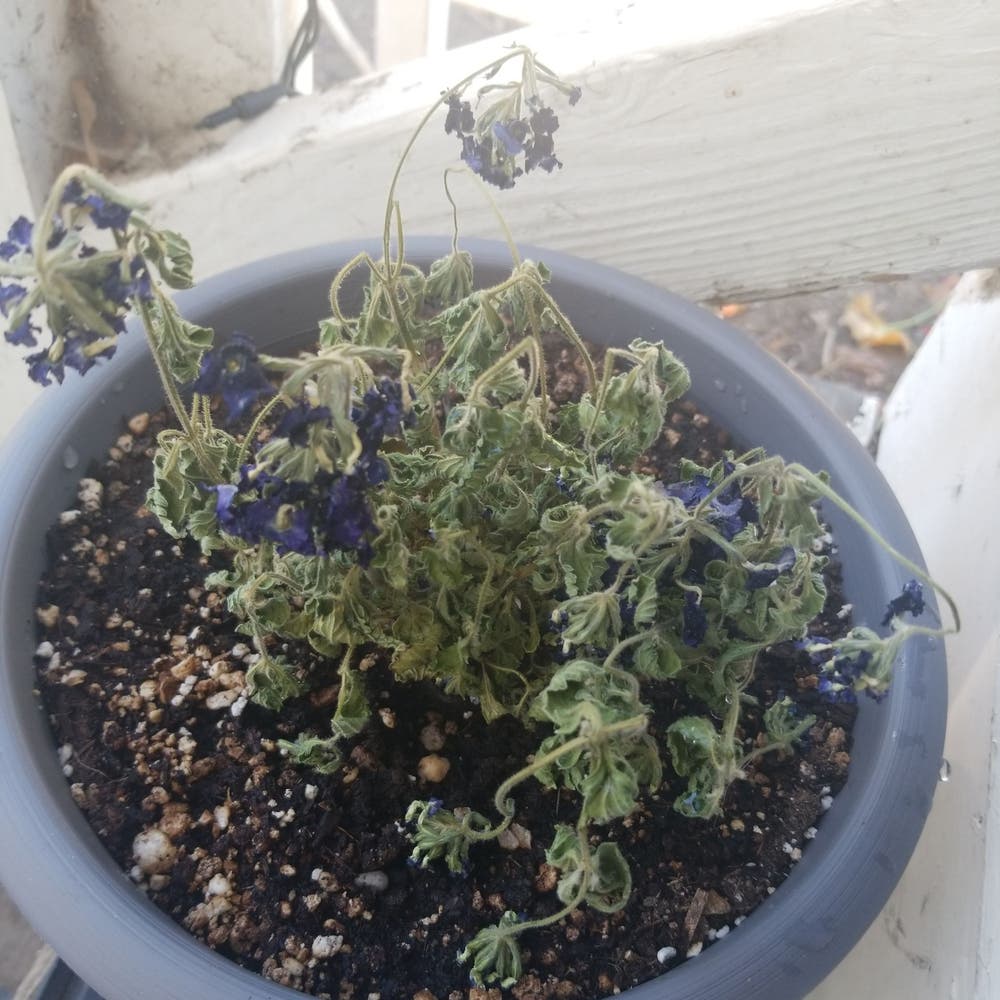
Understanding Brown Spots on Your Verbena 'Lollipop' Leaves 🍭
Verbena bonariensis 'Lollipop'
By the Greg Editorial Team
Oct 15, 2024•5 min read
This article was created with the help of AI so we can cover more plants for you. May contain errors. See one? Report it here.
- 🌱 Brown spots on Verbena 'Lollipop' arise from infections, pests, or environmental stress.
- 🦠 Fungal diseases like powdery mildew and bacterial infections cause significant leaf damage.
- 💧 Proper watering and drainage are crucial to prevent root rot and brown spots.
Causes of Brown Spots
🦠 Fungal Infections
Fungal infections are a primary culprit behind brown spots on your Verbena 'Lollipop' leaves. Two common diseases to watch for are leaf spot disease, which presents as dark brown spots surrounded by yellow halos, and powdery mildew, characterized by a white, powdery growth that can lead to browning.
Conditions that promote fungal growth include high humidity levels and poor air circulation. Keeping your plants in a well-ventilated area can help mitigate these risks.
🦠 Bacterial Infections
Bacterial infections can also cause brown spots, often manifesting as water-soaked lesions that eventually turn brown. These spots may be accompanied by a foul odor, signaling a more serious issue.
Overhead watering and wounding of leaves are significant contributing factors to bacterial infections. Adjusting your watering technique can help prevent these problems.
🐜 Pest Infestations
Pest infestations are another common cause of brown spots. Aphids, small green insects, can lead to yellowing and browning of leaves, while spider mites cause stippling and browning.
Signs of pest damage include visible insects and webbing or sticky residue on the leaves. Regular inspections can help catch these pests early.
🌧️ Environmental Stress
🚰 Overwatering
Overwatering can lead to yellowing leaves that eventually brown. This condition often results in root rot, which can severely decline plant health.
Ensuring well-drained soil is crucial to prevent waterlogging. A good drainage system can save your plants from this fate.
💧 Underwatering
Underwatering manifests as wilting leaves that develop brown spots and dry, crispy edges. It's essential to water when the top inch of soil feels dry to the touch.
This simple practice can keep your Verbena thriving and vibrant.
☀️ Sunburn
Sunburn can cause brown, crispy patches on leaves exposed to intense sunlight. Providing partial shade during the hottest part of the day can protect your plants from this stress.
By being mindful of light exposure, you can help your Verbena flourish.
Understanding these causes is the first step in addressing brown spots effectively. Next, we’ll explore how to diagnose the problem accurately.
Diagnosing the Problem
Assessing Plant Health 🌱
Understanding the health of your Verbena 'Lollipop' is crucial for addressing brown spots effectively. Start by checking soil moisture levels, as both overwatering and underwatering can lead to stress and browning.
Checking Soil Moisture Levels 💧
To assess moisture, you can use two simple methods:
- Finger Test: Insert your finger into the soil to a depth of about 1 inch. If it feels dry, it’s time to water.
- Soil Moisture Meter: For more accurate readings, a moisture meter can provide precise information on soil conditions.
Inspecting for Pests 🐛
Pests can wreak havoc on your plants, so regular inspections are essential. Follow these steps to check for any unwanted visitors:
- Examine the undersides of leaves for pests.
- Look for signs of damage or webbing.
- Use a magnifying glass for better visibility, especially for tiny pests like spider mites.
Evaluating Light Conditions ☀️
Light plays a vital role in plant health. Ensure your Verbena 'Lollipop' receives 6-8 hours of full sun daily. If you notice signs of sunburn, consider adjusting its location to provide some shade during the hottest parts of the day.
By carefully assessing these factors, you can pinpoint the cause of brown spots and take appropriate action. Next, let’s explore effective treatment options to restore your plant's vitality.
Treatment Options
🌱 Organic Treatments
Fungicides and Bactericides
When dealing with brown spots on your Verbena 'Lollipop,' consider using organic fungicides. Products containing copper or sulfur are effective against fungal infections, while specific bactericides can help combat bacterial issues.
Natural Remedies
Neem oil is a fantastic natural remedy for both pests and fungal infections. Apply it every 7-14 days as needed to keep your plants healthy and thriving.
🌿 Cultural Practices
Adjusting Watering Practices
Watering deeply but infrequently is key to encouraging deep root growth. This method helps prevent both overwatering and underwatering, which can lead to brown spots.
Improving Soil Drainage
To enhance soil drainage, amend it with perlite or sand. Also, ensure that pots have adequate drainage holes to prevent waterlogging.
Pruning Affected Leaves
Pruning is essential for maintaining plant health. Follow these simple steps:
- Use clean, sharp scissors to avoid introducing pathogens.
- Remove all affected leaves to prevent the spread of disease.
- Dispose of the pruned material properly to keep your garden clean.
By implementing these treatment options, you can effectively manage and prevent brown spots on your Verbena 'Lollipop.' Next, let’s explore how to diagnose the problem accurately to ensure you’re addressing the right issues.
Preventive Measures
Best Practices 🌱
Proper Watering Techniques
Watering your Verbena 'Lollipop' correctly is crucial. Always check the top inch of soil; if it's dry, it's time to water.
Avoid overhead watering to minimize the risk of fungal infections. This simple adjustment can make a big difference in plant health.
Fertilization Tips
Using the right fertilizer can boost your plant's growth. Opt for a balanced NPK fertilizer during the growing season.
Apply it every 4-6 weeks to keep your Verbena thriving. Consistent nourishment helps prevent nutrient deficiencies that can lead to brown spots.
Choosing the Right Location
Location matters for your plant's well-being. Ensure your Verbena gets at least 6 hours of full sun daily.
Keep an eye out for signs of sunburn, like crispy patches, and adjust its position if necessary. A little attention to light conditions can go a long way.
Seasonal Care Tips 🍂
Preparing for Seasonal Changes
As seasons shift, so should your care routine. Increase watering during hot months to keep your plant hydrated.
In colder months, protect your Verbena from frost. These adjustments help your plant thrive year-round.
Monitoring Plant Health
Regular inspections are key to early problem detection. Check for pests and diseases at least once a month.
Adjust your care practices based on what you observe. Staying proactive can prevent minor issues from becoming major headaches.
By following these preventive measures, you can keep your Verbena 'Lollipop' healthy and vibrant. Next, let’s explore how to diagnose any problems that may arise.
⚠️ Safety First
This content is for general information and may contain errors, omissions, or outdated details. It is not medical, veterinary advice, or an endorsement of therapeutic claims.
Always consult a qualified healthcare professional before using any plant as food, medicine, or supplement.
Never eat any plant (or feed one to pets) without confirming its identity with at least two trusted sources.
If you suspect poisoning, call Poison Control (800) 222-1222, the Pet Poison Helpline (800) 213-6680, or your local emergency service immediately.
Spotted an error? Please report it here.
Keep your Verbena 'Lollipop' spot-free 🌿 by using Greg's tailored watering reminders and pest alerts to catch issues before they escalate!