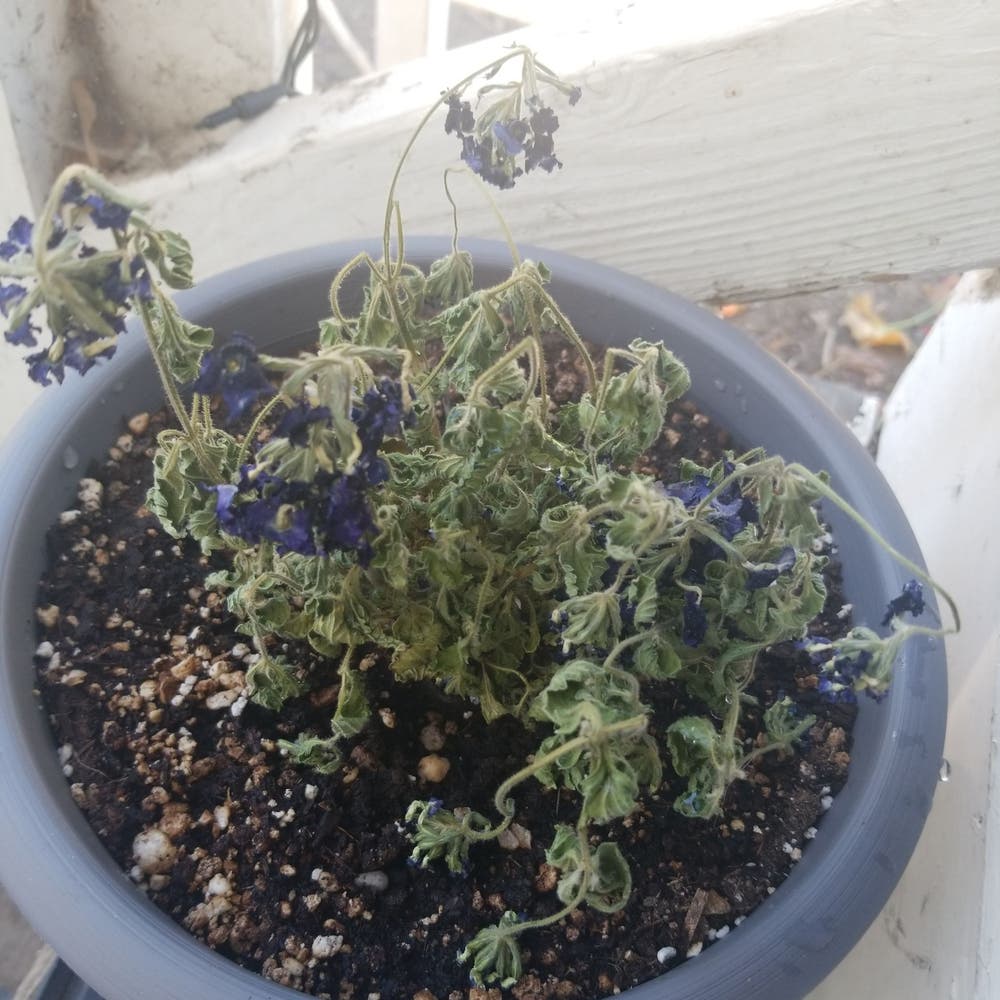
Best Tips for Dealing with Black Spots on Verbena 'Lollipop' 🍭
Verbena bonariensis 'Lollipop'
By the Greg Editorial Team
Oct 15, 2024•5 min read
This article was created with the help of AI so we can cover more plants for you. May contain errors. See one? Report it here.
- 🌱 Black spots on Verbena 'Lollipop' are mainly caused by fungal diseases.
- 🌧️ Warm, humid conditions increase fungal infections; ensure good air circulation.
- 🧴 Use organic fungicides like neem oil or baking soda for effective treatment.
Diagnosing the Problem
🌱 Identifying Fungal Diseases
Fungal diseases can be a real headache for your Verbena 'Lollipop.' The most common culprits are leaf spot diseases, which manifest as dark, irregular spots on leaves.
These spots often thrive in warm, humid conditions, making them more prevalent during wet seasons. If your plants are in a shady area, they’re even more susceptible to these pesky infections.
🔍 Differentiating Between Fungal Spots and Other Issues
It's crucial to differentiate between fungal spots and other plant problems. Pests can cause similar damage, but they often leave behind telltale signs like webbing or visible insects.
Nutrient deficiencies can also mimic fungal infections. Look for yellowing leaves or stunted growth, which may indicate a lack of essential nutrients rather than a fungal issue.
Understanding these differences will help you take the right steps for your Verbena's health.
Treatment Options
🌱 Organic Fungicides
When dealing with black spots on your Verbena 'Lollipop', organic fungicides can be a game changer. Look for options like copper-based fungicides or sulfur, which are effective against fungal diseases.
Application Methods
Apply these fungicides every 7 to 14 days, depending on the severity of the infection. Always follow the dosage instructions on the label to ensure safety and effectiveness.
Safety Precautions
Wear gloves and a mask during application to protect yourself from inhaling any particles. It's also wise to apply fungicides in the early morning or late afternoon to avoid harming beneficial insects.
🏠 Home Remedies
If you prefer a DIY approach, home remedies can also be effective.
Baking Soda Solution
A simple baking soda solution can help combat fungal issues. Mix 1 tablespoon of baking soda with 1 gallon of water and a few drops of liquid soap.
Application Instructions
Spray this mixture on affected leaves every 7 to 14 days. This easy remedy not only helps treat existing spots but also acts as a preventive measure.
Neem Oil Treatment
Neem oil is another powerful ally against fungal diseases. To prepare, mix 2 tablespoons of neem oil with 1 gallon of water and a few drops of dish soap.
How to Apply
Spray the solution on the leaves, ensuring thorough coverage. Repeat every 7 to 14 days for the best results.
✂️ Pruning Affected Leaves
Pruning is crucial for the health of your Verbena. It allows the plant to focus its energy on new growth and can help prevent further spread of disease.
When to Prune
Timing is key; prune affected leaves as soon as you notice black spots. This will help the plant recover more effectively.
How to Prune Effectively
Use clean, sharp pruning shears to minimize stress on the plant. Cut just above a leaf node to encourage new growth.
By addressing fungal issues promptly with these treatment options, you can help your Verbena thrive and enjoy its vibrant blooms. Next, let’s explore preventive measures to keep your plants healthy year-round.
Preventive Measures
Proper Watering Techniques 🌊
Consistent soil moisture is crucial for the health of your Verbena 'Lollipop'. Too much or too little water can lead to stress and increase the risk of fungal diseases.
Signs of Overwatering and Underwatering
- Overwatering: Yellowing leaves, wilting, and root rot.
- Underwatering: Crispy, brown leaf edges and drooping stems.
Best Practices for Watering Verbena
- Water deeply but infrequently to encourage strong root growth.
- Check the top inch of soil; if it’s dry, it’s time to water.
Soil Health and Drainage 🏞️
Well-draining soil is essential for preventing black spots on your Verbena. Poor drainage can lead to waterlogged roots, creating a perfect environment for fungal infections.
Recommended Soil Types and Amendments
- Use a mix of potting soil and perlite for containers.
- In garden beds, consider adding compost to improve texture and drainage.
Techniques to Improve Drainage
- Elevate garden beds to enhance water flow.
- Use containers with drainage holes and add gravel at the bottom.
Sunlight and Air Circulation ☀️
Verbena thrives in full sun, requiring 6-8 hours of direct sunlight daily. Adequate light not only promotes growth but also helps prevent fungal diseases.
Optimal Sunlight Requirements for Verbena
- Choose a sunny spot in your garden or on your patio.
- Avoid shaded areas where moisture can linger.
Importance of Air Circulation
Good air circulation is vital for reducing humidity around your plants.
Plant Spacing and Placement Tips
- Space plants at least 12 inches apart to allow airflow.
- Avoid overcrowding in pots to keep air moving freely.
By implementing these preventive measures, you can significantly reduce the risk of black spots on your Verbena 'Lollipop'. Next, let’s explore effective treatment options if you do encounter issues.
Seasonal Considerations
Care During Wet Seasons 🌧️
During humid conditions, Verbena 'Lollipop' faces an increased risk of fungal diseases. To combat this, consider strategies that reduce moisture retention around the plants.
- Improve Airflow: Space your plants adequately to enhance air circulation. This helps prevent the damp conditions that fungi love.
- Water Wisely: Water early in the day to allow foliage to dry before evening. Avoid overhead watering, which can leave leaves wet overnight.
Monitoring your plants during rainy periods is crucial. Keep an eye out for any signs of distress, such as yellowing leaves or unusual spots, and adjust care accordingly.
Winter Care Tips ❄️
As temperatures drop, protecting your Verbena from cold and moisture becomes essential. Mulching is a fantastic way to insulate the roots and retain soil warmth.
- Choose the Right Mulch: Use organic materials like straw or shredded leaves. These not only insulate but also enrich the soil as they decompose.
- Indoor Care: For container-grown Verbena, consider bringing them indoors during harsh weather. Place them in a bright spot to ensure they get enough light.
By taking these seasonal precautions, you can help your Verbena thrive year-round. With the right care, your plants will be ready to bloom beautifully when the weather warms up again.
⚠️ Safety First
This content is for general information and may contain errors, omissions, or outdated details. It is not medical, veterinary advice, or an endorsement of therapeutic claims.
Always consult a qualified healthcare professional before using any plant as food, medicine, or supplement.
Never eat any plant (or feed one to pets) without confirming its identity with at least two trusted sources.
If you suspect poisoning, call Poison Control (800) 222-1222, the Pet Poison Helpline (800) 213-6680, or your local emergency service immediately.
Spotted an error? Please report it here.
Keep your Verbena 'Lollipop' healthy and spot-free 🌱 with Greg's personalized care tips and reminders to tackle fungal issues and create the perfect growing conditions!