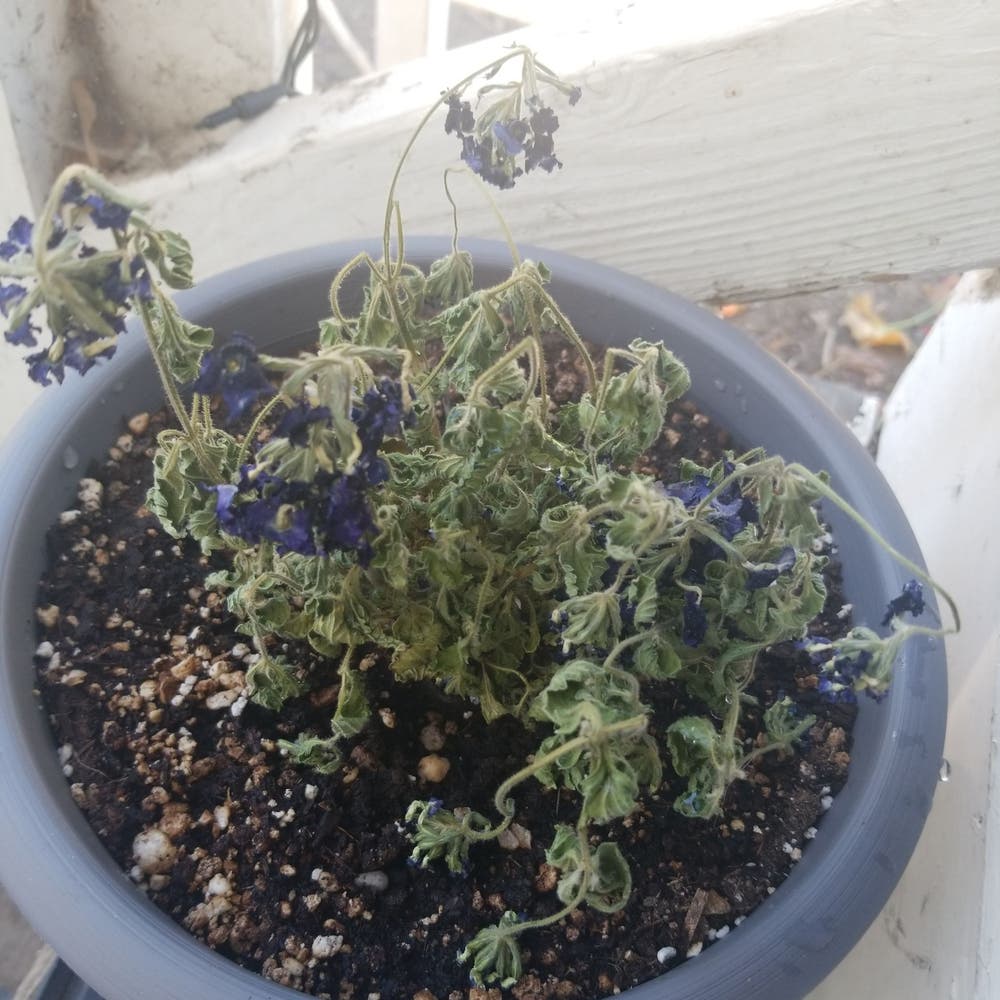
How to Cure Yellow Leaves on Your Verbena 'Lollipop' 🍭
Verbena bonariensis 'Lollipop'
By the Greg Editorial Team
Oct 15, 2024•7 min read
This article was created with the help of AI so we can cover more plants for you. May contain errors. See one? Report it here.
- 🌱 Yellow leaves indicate overwatering, nutrient deficiencies, pests, or fungal diseases.
- 💧 Ensure soil dries out before watering; check moisture regularly.
- 🐛 Monitor for pests like aphids; use neem oil for organic control.
Causes of Yellow Leaves
💧 Overwatering and Its Effects
Overwatering is a common issue that can lead to yellowing leaves, wilting, and even root rot. Verbena 'Lollipop' thrives in well-draining soil, making proper drainage essential for its health.
To prevent overwatering, allow the top inch of soil to dry out before watering again. This simple practice can make a significant difference in maintaining vibrant foliage.
🥦 Nutrient Deficiencies
Nitrogen Deficiency
A nitrogen deficiency often manifests as older leaves turning yellow while new growth remains green. Nitrogen is crucial for leaf growth and overall vigor, so addressing this deficiency is vital for a healthy plant.
Iron Deficiency
Iron deficiency presents itself through yellowing between leaf veins, especially in younger leaves. This nutrient is essential for chlorophyll production and photosynthesis, making it a key player in your plant's health.
🐛 Pest Infestations
Aphids
Aphids can be identified by sticky residue on leaves, curled leaves, and the presence of visible insects. These pests weaken the plant and can lead to yellowing leaves if not addressed promptly.
Spider Mites
Spider mites leave fine webbing and cause stippled leaves, indicating their presence. Their feeding can stress the plant, resulting in yellowing leaves and overall decline.
🍄 Fungal Diseases
Root Rot
Root rot is characterized by yellowing leaves, wilting, and a foul smell from the roots. This condition typically arises from overwatering and poor soil drainage, making it crucial to monitor moisture levels.
Powdery Mildew
Powdery mildew appears as white, powdery spots on leaves, which can lead to yellowing. High humidity and poor air circulation create ideal conditions for this fungal disease to thrive.
Understanding these causes is the first step in addressing yellow leaves on your Verbena 'Lollipop.' By identifying the underlying issues, you can take effective action to restore your plant's health and vibrancy.
Diagnosing Yellow Leaves
👀 Visual Symptoms to Look For
When diagnosing yellow leaves on your Verbena 'Lollipop', start by observing the leaf color. Specific patterns of yellowing can indicate different issues, such as nutrient deficiencies or watering problems.
Additionally, pay attention to the leaf texture. Wilting or crispy leaves often signal stress, which can stem from various environmental factors.
💧 Soil Moisture Testing
Next, it's crucial to check the soil moisture. You can use the finger test—simply insert your finger into the soil up to the first knuckle—or a moisture meter for a more precise reading.
Understanding moisture levels is vital for preventing overwatering and root rot, both of which can lead to yellowing leaves.
🐜 Checking for Pests
Conduct a visual inspection for pests like aphids and spider mites. Look for sticky residue, curled leaves, or fine webbing, which are telltale signs of infestation.
Early detection is key to preventing further damage to your plant. Addressing pest issues promptly can save your Verbena from significant stress.
☀️ Assessing Light Conditions
Finally, evaluate the light conditions your Verbena is receiving. Ideally, these plants thrive in full sun, requiring 6-8 hours of sunlight daily.
If you notice stretching stems or persistent yellowing leaves, it may indicate inadequate light. Adjusting their placement can significantly improve their health and vibrancy.
By carefully diagnosing these symptoms, you can take effective steps to restore your Verbena 'Lollipop' to its lush, green glory. Next, let’s explore treatment options to address these yellowing leaves effectively.
Treatment Options
🌊 Adjusting Watering Practices
Watering is crucial for the health of your Verbena 'Lollipop'. Only water when the top inch of soil is dry to the touch, ensuring you avoid overwatering.
Healthy, green leaves and robust growth are clear signs that your watering practices are on point. Adjusting your schedule based on weather conditions can also make a significant difference.
🌱 Fertilization Techniques
Types of Fertilizers
Using the right fertilizer can rejuvenate your Verbena. Balanced fertilizers with suitable NPK ratios are essential for optimal growth.
Consider organic options like compost or well-rotted manure to replenish nutrients naturally. These methods not only nourish your plant but also enrich the soil.
🐛 Pest Control Methods
Organic Solutions
For pest issues, organic solutions can be highly effective. Neem oil and insecticidal soap work wonders against common pests like aphids and spider mites.
These treatments are gentle on your plants while still delivering a knockout punch to unwanted visitors.
Chemical Solutions
In cases of severe infestations, systemic insecticides may be necessary. Always follow label instructions to ensure safe and effective application.
This approach can help you regain control over your plants while minimizing harm to beneficial insects.
🍄 Fungal Disease Treatments
Fungicides
Fungicides can be a game-changer for treating root rot and powdery mildew. Broad-spectrum fungicides are particularly effective.
Make sure to follow application methods as per the label instructions for the best results. This will help you tackle fungal issues head-on.
Cultural Practices
Improving air circulation around your Verbena is essential for preventing fungal diseases. Space your plants appropriately and prune as needed to enhance airflow.
These cultural practices can significantly reduce the risk of disease, keeping your plants healthy and vibrant.
With these treatment options, you can effectively address the yellowing leaves of your Verbena 'Lollipop'. Next, let’s explore preventive measures to keep your plants thriving year-round.
Preventive Measures
Best Practices for Watering 🌊
Adjust your watering schedule based on weather conditions and soil moisture. This ensures your Verbena 'Lollipop' receives the right amount of hydration without the risk of overwatering.
Using techniques like drip irrigation or soaker hoses can provide consistent moisture. These methods help maintain an even moisture level, promoting healthy growth.
Soil Preparation and Drainage 🏺
Incorporate perlite or sand into your soil mix for improved drainage. This is crucial for preventing waterlogged roots, which can lead to yellow leaves.
Choosing the right pot is equally important. Always ensure your containers have drainage holes to allow excess water to escape.
Regular Pest Monitoring 🐞
Conduct weekly inspections for early signs of pests. Catching infestations early can save your plants from significant damage.
Maintaining plant health through regular monitoring reduces susceptibility to pests. A proactive approach keeps your Verbena thriving.
Seasonal Care Tips 🍂
Adjust your fertilization and watering practices based on the plant's growth cycles. Seasonal changes can significantly impact your Verbena's needs.
As winter approaches, prepare your plants for colder temperatures. Simple steps like mulching or bringing pots indoors can protect them from frost damage.
By implementing these preventive measures, you can ensure your Verbena 'Lollipop' remains vibrant and healthy. This proactive care sets the stage for effective post-treatment strategies, which we’ll explore next.
Post-Treatment Care
Monitoring Recovery 🌱
After addressing the yellow leaves on your Verbena 'Lollipop', keep an eye out for signs of improvement. Look for new growth and a return of vibrant green color in the leaves.
Patience is key during this phase. Recovery can take time, depending on the underlying issue that caused the yellowing.
Adjusting Care Based on Plant Response 🔄
As you monitor your plant, be ready to adjust your care routine. Modifying watering and fertilization based on how your Verbena responds is crucial for its recovery.
Flexibility in your approach will help meet the plant's evolving needs. Stay attentive to changes, and don’t hesitate to tweak your methods.
Long-Term Maintenance Strategies 🗓️
Establish a regular maintenance schedule to keep your Verbena thriving. Incorporate seasonal care practices to ensure it receives the right nutrients and conditions throughout the year.
Consistent monitoring is essential for long-term health and vibrancy. By staying proactive, you can enjoy a flourishing Verbena 'Lollipop' for seasons to come.
With these strategies in place, you’re well-equipped to nurture your plant back to health and prevent future issues. Next, let’s explore preventive measures to keep your Verbena thriving year-round.
⚠️ Safety First
This content is for general information and may contain errors, omissions, or outdated details. It is not medical, veterinary advice, or an endorsement of therapeutic claims.
Always consult a qualified healthcare professional before using any plant as food, medicine, or supplement.
Never eat any plant (or feed one to pets) without confirming its identity with at least two trusted sources.
If you suspect poisoning, call Poison Control (800) 222-1222, the Pet Poison Helpline (800) 213-6680, or your local emergency service immediately.
Spotted an error? Please report it here.
Revive your Verbena 'Lollipop' from yellowing leaves with smart care adjustments 🌱, and let Greg guide you with tailored watering reminders and pest alerts for a thriving plant!