🍭 How to Manage Verbena 'Lollipop' Weeds
Verbena bonariensis 'Lollipop'
By the Greg Editorial Team
Oct 15, 2024•7 min read
This article was created with the help of AI so we can cover more plants for you. May contain errors. See one? Report it here.
- 🌱 Verbena 'Lollipop' weeds spread rapidly, disrupting cultivated areas and native species.
- ⚠️ Manual removal before flowering is key to preventing seed dispersal and controlling growth.
- 🌍 Community involvement and awareness enhance management efforts for this invasive weed.
Plant Classification
Definition of Weeds and Invasive Species 🌱
Weeds are unwanted plants that grow aggressively, often disrupting cultivated areas. They can quickly take over gardens, choking out the plants we actually want to thrive.
Invasive species, on the other hand, are non-native plants that spread rapidly. They outcompete local flora and fauna, leading to significant ecological imbalances.
Criteria for Classifying Verbena 'Lollipop' as a Weed 🌼
Verbena 'Lollipop' is classified as a weed due to its rapid spread. It has an impressive ability to colonize disturbed areas quickly, making it a formidable presence in gardens.
Its competitive nature allows it to outcompete native species for essential resources. This aggressive behavior can lead to reduced biodiversity, altering local ecosystems in the process.
The ecological impact of Verbena 'Lollipop' cannot be understated. By displacing native plants, it disrupts the delicate balance of local habitats, making it a serious concern for gardeners and conservationists alike.
Understanding these classifications is crucial for effective management strategies. With this knowledge, we can better address the challenges posed by this invasive plant.
Identification
Key Identifying Features 🌸
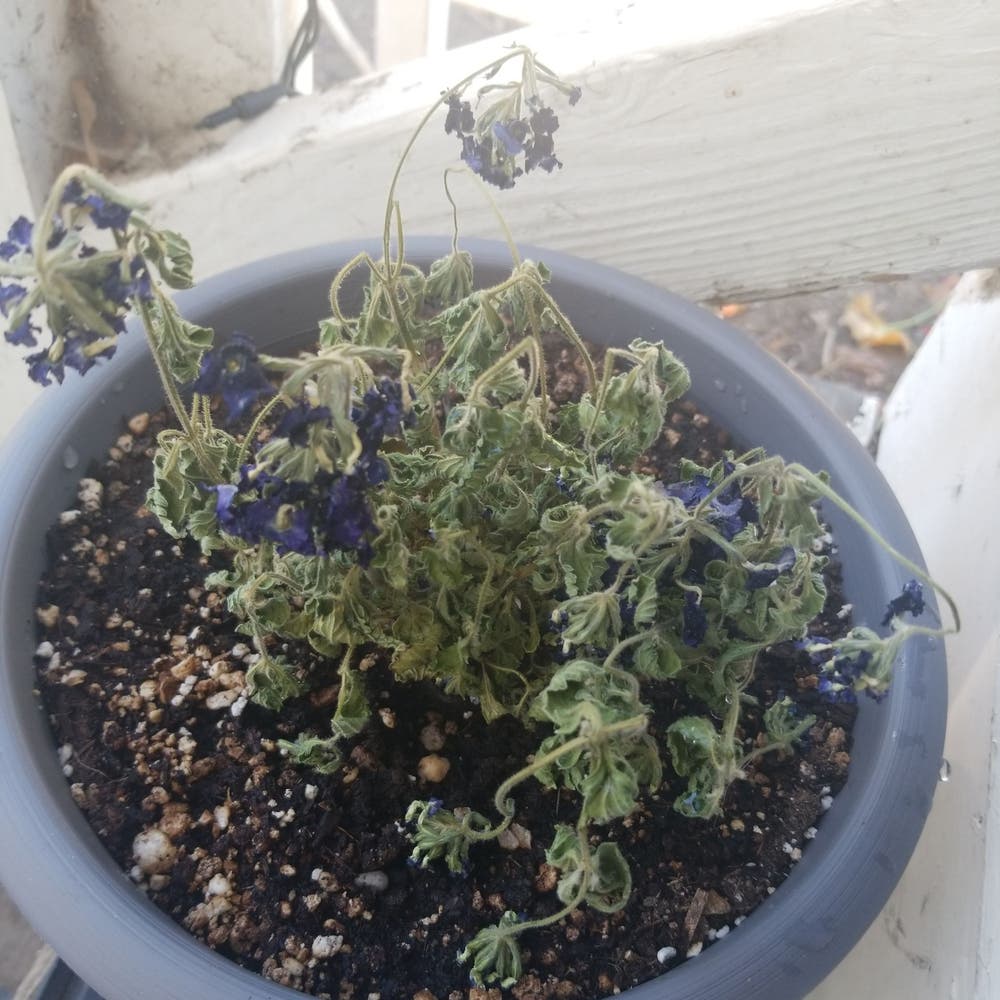
Verbena 'Lollipop' is a striking plant that typically reaches heights of 12 to 18 inches. Its clusters of small, vibrant purple flowers create a stunning visual display, making it easy to spot in any garden.
The leaves are another telltale sign. They are opposite, serrated, and emit a distinct aromatic scent when crushed. This unique combination of height, flower color, and leaf structure helps in identifying this plant quickly.
Look-Alike Plants and Distinguishing Characteristics 🔍
When identifying Verbena 'Lollipop,' it's essential to differentiate it from other Verbena species and native plants. For instance, some similar-looking plants may have different flower shapes or leaf structures.
Key differences include the specific arrangement of flowers and the growth habit. While other Verbenas may grow taller or have less aromatic foliage, 'Lollipop' stands out with its compact form and vibrant blooms. Knowing these distinctions can help you recognize and manage this plant effectively.
Growth Habits and Spread
Typical Growth Patterns 🌱
Verbena 'Lollipop' exhibits a compact and bushy growth form. It often forms dense mats, making it a formidable presence in any garden.
This plant thrives in warm weather, typically flourishing from spring through fall. Its robust growth during these seasons can quickly dominate cultivated areas.
Reproductive Strategies and Methods of Spread 🌼
Verbena 'Lollipop' employs both sexual and vegetative reproduction strategies. It produces seeds that can disperse widely, contributing to its rapid spread.
Additionally, root fragmentation allows this plant to regenerate easily. Even a small piece of root can lead to new growth, making control efforts challenging.
Environmental Conditions that Favor Its Growth ☀️
This weed prefers well-drained, nutrient-rich soils, which support its vigorous growth. It flourishes in full sun to partial shade, adapting well to various light conditions.
Moreover, Verbena 'Lollipop' shows remarkable tolerance to drought and poor soil conditions. This resilience allows it to thrive even in less-than-ideal environments, further complicating management efforts.
Understanding these growth habits and environmental preferences is crucial for effective control strategies. By recognizing how and where this plant thrives, you can take proactive steps to manage its spread.
Ecological and Economic Impact
🌱 Effects on Native Plant Communities
Verbena 'Lollipop' poses a significant threat to native plant species. Its aggressive growth leads to reduced biodiversity, as it competes fiercely for resources like sunlight, water, and nutrients.
This competition can displace local flora, fundamentally altering the dynamics of ecosystems. When native plants decline, the entire habitat suffers, impacting everything from soil health to the animals that rely on these plants for shelter and food.
🦋 Impact on Wildlife and Biodiversity
The presence of Verbena 'Lollipop' also affects local wildlife. It provides a limited food source for native pollinators, which often prefer indigenous plants that have co-evolved with them.
This disruption can ripple through local food webs, affecting not just pollinators but also the birds and mammals that depend on them. The loss of native plants can lead to a decline in wildlife populations, further destabilizing the ecosystem.
💰 Economic Losses and Agricultural Challenges
From an economic standpoint, the impact of Verbena 'Lollipop' can be substantial. Landowners and farmers face increased costs related to management and control efforts, which can strain budgets.
Additionally, this invasive species competes with crops for essential resources, leading to reduced yields. The financial burden of dealing with such invasives can hinder agricultural productivity and sustainability.
Understanding these ecological and economic impacts is crucial for effective management strategies. By recognizing the threats posed by Verbena 'Lollipop', we can take proactive steps to mitigate its spread and protect our native ecosystems.
Control and Management
Manual Removal Techniques and Best Practices 🌱
Removing Verbena 'Lollipop' manually is effective, especially if done before flowering. This timing prevents seed dispersal, which is crucial for controlling its spread.
To successfully remove these weeds, use spades or hand tools to extract the entire root system. This ensures that the plant doesn’t regenerate from leftover roots.
Proper disposal is equally important. Bagging and discarding the plants can prevent re-establishment in your garden.
Chemical Control Options and Safety Considerations ⚗️
Herbicides can be a powerful tool against Verbena 'Lollipop'. Various types are available, and application methods vary, so choose one that suits your situation.
Always prioritize safety when using chemicals. Wear protective gear and consider environmental impacts to minimize harm to surrounding flora and fauna.
Biological Control Methods and Their Effectiveness 🦠
Exploring biological control methods can offer sustainable solutions. Natural predators or pathogens may help manage Verbena 'Lollipop' populations.
Current research is investigating these options, aiming to find effective biological agents that can keep this weed in check without harming native species.
Preventive Measures to Limit Spread 🚫
Prevention is key in managing Verbena 'Lollipop'. Regular monitoring of your garden helps catch infestations early.
Using mulch and ground cover can suppress growth effectively. These barriers not only limit sunlight but also create competition for resources.
Importance of Early Detection and Rapid Response 🔍
Early detection is vital for effective management. Strategies like regular inspections can help identify new infestations quickly.
Community involvement plays a significant role in monitoring and reporting. Engaging neighbors can create a united front against the spread of this invasive weed.
By implementing these control and management strategies, you can protect your garden and local ecosystems from the impacts of Verbena 'Lollipop'. Next, let’s delve into the legal status surrounding this invasive species and the regulations that govern its management.
Legal Status
Overview of Laws and Regulations 🌍
Understanding the legal landscape surrounding Verbena 'Lollipop' is crucial for effective management. Many local and state regulations address the cultivation and sale of invasive plants, including Verbena 'Lollipop'.
Compliance with these regulations is essential for land managers and gardeners. It helps protect native ecosystems and ensures that invasive species do not spread unchecked.
Requirements for Removal or Control in Specific Regions 📜
Different regions have specific guidelines for reporting and managing infestations of Verbena 'Lollipop'. Familiarizing yourself with these requirements can streamline your control efforts.
Resources are available to assist in these management strategies. Local extension offices or environmental organizations often provide valuable support and information.
By staying informed and proactive, you can contribute to the health of your local ecosystem. This not only benefits your garden but also supports the broader community in preserving biodiversity.
Potential Benefits or Uses
Historical and Current Uses 🌿
Verbena 'Lollipop' has a rich history in traditional medicine. Various cultures have utilized it for its purported healing properties, often in herbal remedies aimed at treating ailments like anxiety and digestive issues.
However, its role in landscaping is quite limited. While some may appreciate its vibrant flowers, the negative impacts of its aggressive growth often overshadow any ornamental benefits.
Cultural Significance 🌍
In certain regions, Verbena has been celebrated for its beauty and resilience. Yet, as it spreads uncontrollably, it raises concerns about its ecological footprint, prompting many to reconsider its place in gardens.
Conclusion 📜
Ultimately, while Verbena 'Lollipop' has historical uses, its invasive nature makes it a less desirable choice for modern landscapes. Understanding its potential benefits helps us appreciate its past, but awareness of its drawbacks is crucial for responsible gardening.
As we transition to the next section, let’s explore the legal status surrounding this plant and the regulations that help manage its spread.
⚠️ Safety First
This content is for general information and may contain errors, omissions, or outdated details. It is not medical, veterinary advice, or an endorsement of therapeutic claims.
Always consult a qualified healthcare professional before using any plant as food, medicine, or supplement.
Never eat any plant (or feed one to pets) without confirming its identity with at least two trusted sources.
If you suspect poisoning, call Poison Control (800) 222-1222, the Pet Poison Helpline (800) 213-6680, or your local emergency service immediately.
Spotted an error? Please report it here.
Take charge of your garden by managing Verbena 'Lollipop' weeds effectively, and let Greg provide you with customized strategies and community support to keep your plants flourishing! 🌿