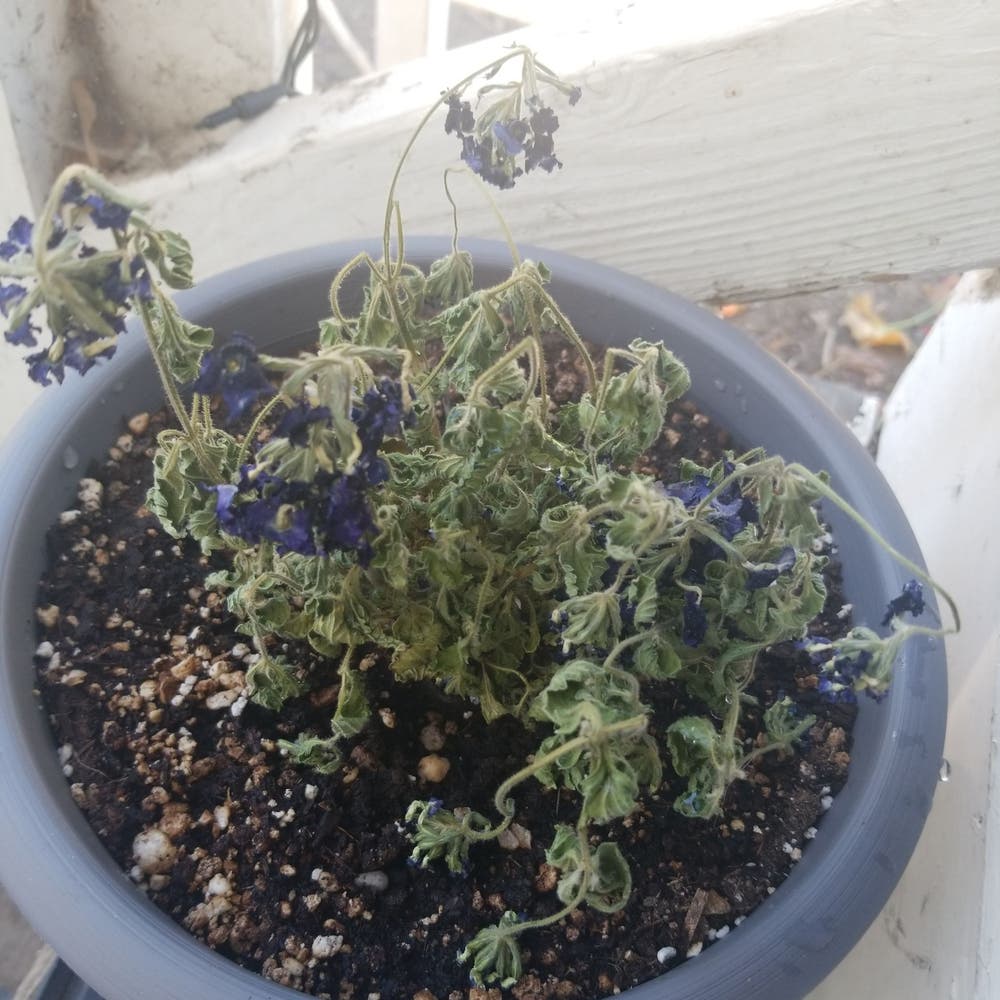
😩 Dealing with Droopy Leaves on Your Verbena 'Lollipop'
Verbena bonariensis 'Lollipop'
By the Greg Editorial Team
Oct 15, 2024•4 min read
This article was created with the help of AI so we can cover more plants for you. May contain errors. See one? Report it here.
- 🌱 Diagnose droopy leaves by checking soil moisture and inspecting for pests or diseases.
- ☀️ Ensure 6-8 hours of sunlight daily for healthy Verbena 'Lollipop' growth.
- 💧 Establish a consistent watering schedule to prevent overwatering or underwatering issues.
Diagnosing the Problem
Proper diagnosis is crucial for effective treatment of droopy leaves on your Verbena 'Lollipop'. This section will guide you through assessing the plant's condition to pinpoint the issue.
🌱 Assessing Soil Moisture Levels
Start by checking the soil moisture. Use a moisture meter or simply insert your finger 1-2 inches deep into the soil.
If the soil feels soggy and has a foul odor, it’s likely too wet. Conversely, if it’s hard and compacted, your plant may be suffering from dryness.
🐛 Checking for Pests and Diseases
Next, inspect the leaves for pests. Look out for common culprits like aphids, spider mites, and whiteflies.
Additionally, check for signs of disease, such as fungal growth or discoloration. These can severely impact your plant's health.
🌤️ Evaluating Environmental Conditions
Finally, evaluate the environmental conditions surrounding your Verbena. Ensure it receives 6-8 hours of full sun exposure daily.
Humidity levels should ideally be between 40-60%. Also, maintain temperatures in the optimal range of 65°F to 75°F (18°C to 24°C) for healthy growth.
By thoroughly assessing these factors, you can effectively diagnose the problem and set the stage for solutions. Next, we’ll explore actionable steps to address droopy leaves and restore your plant’s vitality.
Solutions for Droopy Leaves
Once you've diagnosed the issue with your Verbena 'Lollipop', it's time to implement effective solutions to revive those droopy leaves.
💧 Adjusting Watering Practices
Establishing a consistent watering schedule is key. Check the soil moisture regularly and water deeply but infrequently to encourage robust root growth.
🌱 Fertilization Tips for Healthy Growth
Using a balanced fertilizer, specifically one with an NPK ratio of 10-10-10, can make a significant difference. Apply it every 4-6 weeks during the growing season, following the package instructions for best results.
🐞 Pest Control Methods
Pests can be a major culprit behind droopy leaves. Introduce beneficial insects like ladybugs to your garden, or use insecticidal soap or neem oil for effective pest management.
By addressing these areas, you can help your Verbena 'Lollipop' regain its vitality and flourish. Next, let’s explore some preventative measures to keep your plant healthy in the long run.
Preventative Measures
Taking proactive steps can help prevent droopy leaves on your Verbena 'Lollipop'. By focusing on soil health, ideal growing conditions, and seasonal care, you can keep your plant thriving.
🌱 Best Practices for Soil Drainage
Start with a well-draining potting mix. Adding perlite or sand can enhance drainage, ensuring your plant doesn’t sit in water.
Make sure your pots have drainage holes. This simple step prevents water accumulation, which is crucial for root health.
☀️ Ideal Growing Conditions
Your Verbena needs full sun exposure for 6-8 hours daily. This sunlight is vital for robust growth and vibrant blooms.
Maintain humidity levels between 40-60%. This range helps your plant stay hydrated without becoming waterlogged.
🍂 Seasonal Care Tips
Monitor your watering frequency during hot months. As temperatures rise, your plant may require more frequent watering to stay healthy.
Protect your Verbena from extreme weather conditions. Heavy rain or frost can stress the plant, leading to droopy leaves.
By implementing these preventative measures, you can create a thriving environment for your Verbena 'Lollipop'. This proactive approach not only enhances growth but also minimizes the risk of droopy leaves in the future.
Next, let’s explore recovery techniques to help your plant bounce back if droopy leaves do occur.
Recovery Techniques
If your Verbena 'Lollipop' is showing droopy leaves, don’t worry! There are effective recovery techniques you can implement to bring your plant back to life.
🌱 Step-by-Step Recovery Process
Assess and Adjust Watering Practices: Start by checking the soil moisture. Adjust your watering schedule based on whether the soil is too dry or too wet.
Remove Dead or Damaged Leaves: Trim away any unhealthy foliage. This encourages new growth and helps the plant focus its energy on healthier parts.
Apply a Balanced Fertilizer: Use a balanced fertilizer to replenish nutrients. This will support your plant’s recovery and promote robust growth.
👀 Monitoring Plant Health Post-Treatment
After implementing these steps, keep an eye on your plant. Look for signs of recovery, such as new growth and improved leaf texture.
Continue to monitor soil moisture and environmental conditions. This ongoing attention will help ensure your Verbena thrives.
🆘 When to Seek Professional Help
Sometimes, despite your best efforts, droopiness persists. If you notice ongoing issues, it might be time to consult a professional.
Severe pest infestations or difficult-to-manage disease symptoms are clear indicators that expert help is needed. Don’t hesitate to reach out for assistance to safeguard your plant’s health.
By following these recovery techniques, you can restore your Verbena 'Lollipop' to its vibrant self. Next, let’s explore some preventative measures to keep your plant healthy in the long run.
⚠️ Safety First
This content is for general information and may contain errors, omissions, or outdated details. It is not medical, veterinary advice, or an endorsement of therapeutic claims.
Always consult a qualified healthcare professional before using any plant as food, medicine, or supplement.
Never eat any plant (or feed one to pets) without confirming its identity with at least two trusted sources.
If you suspect poisoning, call Poison Control (800) 222-1222, the Pet Poison Helpline (800) 213-6680, or your local emergency service immediately.
Spotted an error? Please report it here.
Keep your Verbena 'Lollipop' perky and vibrant 🌼 with Greg's tailored watering reminders and pest alerts, ensuring you diagnose and treat droopy leaves like a pro!