🐛 What's Eating Your Prostrate Pigweed
Amaranthus blitoides
By the Greg Editorial Team
Sep 29, 2024•5 min read
This article was created with the help of AI so we can cover more plants for you. May contain errors. See one? Report it here.
Safeguard your Prostrate Pigweed 🌱 from pests while inviting beneficial wildlife for a flourishing garden ecosystem!
- 🦌 Deer and rabbits love Prostrate Pigweed, causing significant damage to its growth.
- 🌱 Effective deterrents include repellents, fencing, and companion planting to protect your plants.
- 🐦 Birds can help and harm; use netting to balance their effects on Prostrate Pigweed.
Appearance and Appeal
Description of Prostrate Pigweed 🌱
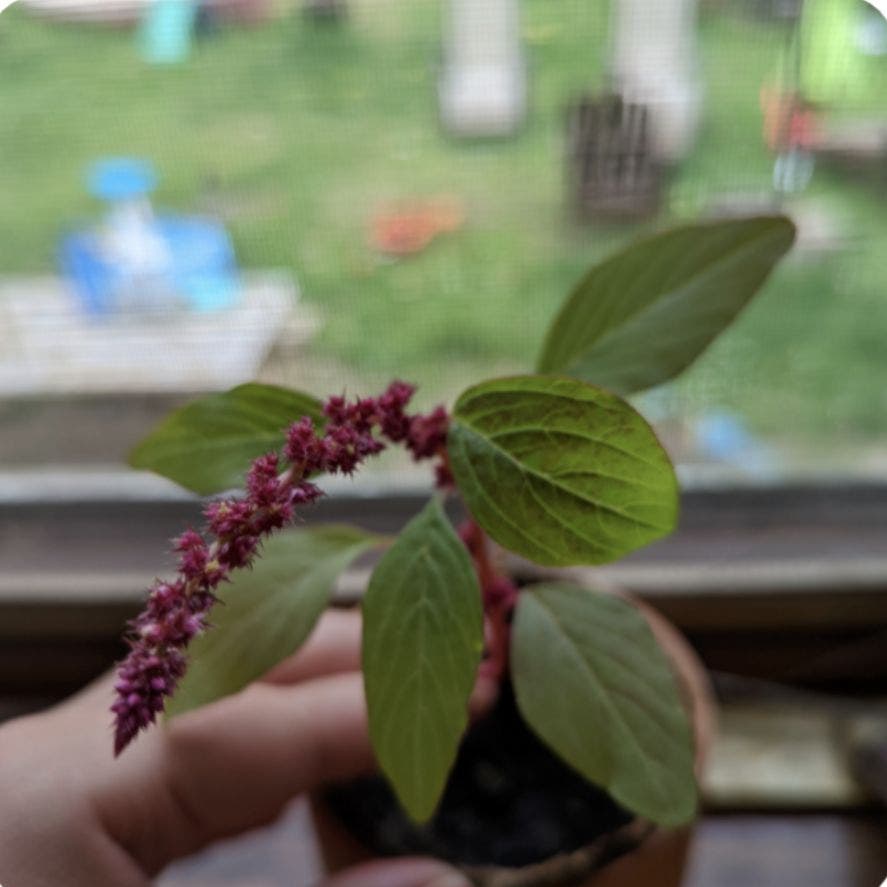
Prostrate Pigweed is a sprawling plant that hugs the ground, making it easy to overlook. Its broad, succulent leaves are tender and inviting, showcasing a vibrant green that catches the eye.
Most Appealing Parts to Animals 🐾
Young shoots are particularly enticing due to their tender texture and high moisture content. The leaves are nutrient-rich and palatable, making them a favorite among herbivores.
Additionally, the small seeds produced by Prostrate Pigweed attract various birds and rodents, adding to its appeal in the garden ecosystem. These elements create a dynamic interaction between the plant and local wildlife, highlighting the importance of Prostrate Pigweed in its habitat.
As we explore the common herbivores that enjoy this plant, it's essential to understand how they impact its growth and health.
Common Herbivores
🦌 Deer
Signs of presence and damage
Look for distinct hoof prints in muddy areas, a clear sign that deer are nearby. You may also notice leaves and young shoots stripped from the plant, indicating their browsing habits.
Impact on Prostrate Pigweed
Deer can be quite harmful to Prostrate Pigweed, often decimating young plants and hindering their growth. Their feeding can lead to significant setbacks in your garden.
Deterrent methods (difficulty: moderate)
To keep deer at bay, consider using commercial deer repellents. Alternatively, planting deer-resistant species nearby or using human hair and soap shavings can serve as effective organic deterrents.
🐇 Rabbits
Signs of presence and damage
Rabbits leave behind small, round droppings near the plant. You’ll also see cleanly cut stems and leaves, showcasing their precise nibbling.
Impact on Prostrate Pigweed
These furry creatures can severely stunt the growth of Prostrate Pigweed, reducing its overall vigor. Their appetite can quickly turn a thriving plant into a struggling one.
Deterrent methods (difficulty: easy)
Bitter-tasting sprays can deter rabbits effectively. For a more organic approach, consider fencing that’s at least 2 feet high and planting rabbit-repelling herbs nearby.
🐿️ Squirrels
Signs of presence and damage
Squirrels often leave scratches on the bark of nearby plants. You might also notice missing leaves and disturbed soil around the base of your Prostrate Pigweed.
Impact on Prostrate Pigweed
These critters can cause significant leaf loss and stress to the plant. Their feeding habits can lead to a noticeable decline in health.
Deterrent methods (difficulty: moderate)
Capsaicin-based sprays can act as chemical deterrents against squirrels. For a more natural solution, try using reflective materials or noise-making devices to scare them away.
🐦 Birds
Signs of presence and damage
Look for pecking marks, which create holes in leaves, and missing seeds. Nearby nests can also indicate that birds are attracted to your Prostrate Pigweed.
Impact on Prostrate Pigweed
Birds have a mixed impact; while some help control pests, others can damage the plant. Their feeding habits can lead to both benefits and drawbacks.
Deterrent methods (difficulty: easy)
Non-toxic bird repellents can help keep unwanted birds away. Alternatively, using netting or reflective tape can deter them from feeding on your plants.
🐭 Rodents
Signs of presence and damage
Rodents leave small holes in the ground near the plant, indicating tunneling activity. You may also find gnawed stems and roots, showcasing their feeding habits.
Impact on Prostrate Pigweed
These pests can be particularly harmful, undermining root systems and potentially leading to plant collapse. Their presence can create significant challenges for your garden.
Deterrent methods (difficulty: hard)
Rodent bait stations can serve as effective chemical deterrents. For an organic approach, traps and planting deterrent plants like mint can help keep them at bay.
Understanding the common herbivores that target Prostrate Pigweed is crucial for maintaining a healthy garden. With the right deterrent methods, you can protect your plants and encourage a thriving ecosystem. Next, let’s explore the beneficial animals that can enhance your garden's health.
Beneficial Animals
Types of Beneficial Animals 🐝
In the garden, beneficial animals play a crucial role. Pollinators like bees and butterflies are drawn to the vibrant flowers of Prostrate Pigweed, helping to ensure a bountiful harvest.
Beneficial insects, such as ladybugs and lacewings, are natural allies in pest control. They feast on harmful insects, keeping your garden healthy and thriving.
Positive Impacts on the Garden Ecosystem 🌼
Pollination is vital for enhancing fruit and seed production. The more pollinators you attract, the better your plants will perform.
Additionally, these beneficial insects help reduce populations of harmful pests. This natural balance creates a healthier ecosystem, allowing your Prostrate Pigweed to flourish without excessive chemical interventions.
By fostering an environment that welcomes these helpful creatures, you not only protect your plants but also contribute to a vibrant garden ecosystem.
As you consider the various animals in your garden, remember that nurturing beneficial species can lead to a more resilient and productive landscape.
Protection Strategies
🛡️ Preventive Measures
To keep your Prostrate Pigweed thriving, consider planting companion plants that deter herbivores. These plants can create a natural barrier, making your garden less appealing to hungry critters.
Regular monitoring for signs of animal damage is crucial. Catching issues early can save your plants from significant harm.
⚠️ Reactive Solutions
If you notice damage, act quickly by removing affected parts. This encourages new growth and helps your plants recover faster.
Using barriers and traps can also be effective. These methods provide immediate protection against persistent pests.
🌱 Seasonal Variations in Animal Attraction
Be aware that animal activity varies with the seasons. In spring, expect increased visits from rabbits and deer as they seek fresh greens.
By late summer, birds are drawn to the seeds of your plants. This shift can impact your Prostrate Pigweed, so stay vigilant.
☠️ Toxic Effects
Interestingly, some parts of the Prostrate Pigweed may have mild toxicity. This natural defense can deter excessive feeding, helping maintain a balance in herbivore populations.
Understanding these protection strategies will empower you to nurture your garden effectively. With the right approach, you can enjoy a flourishing ecosystem that benefits both your plants and the wildlife around them.
⚠️ Safety First
This content is for general information and may contain errors, omissions, or outdated details. It is not medical, veterinary advice, or an endorsement of therapeutic claims.
Always consult a qualified healthcare professional before using any plant as food, medicine, or supplement.
Never eat any plant (or feed one to pets) without confirming its identity with at least two trusted sources.
If you suspect poisoning, call Poison Control (800) 222-1222, the Pet Poison Helpline (800) 213-6680, or your local emergency service immediately.
Spotted an error? Please report it here.
Protect your Prostrate Pigweed from pesky herbivores with Greg's tailored care tips 🌱, ensuring you stay one step ahead in monitoring and nurturing your plants for vibrant growth!