Prostrate Pigweed is an Invasive Plant 🐖
Amaranthus blitoides
By the Greg Editorial Team
Sep 29, 2024•8 min read
This article was created with the help of AI so we can cover more plants for you. May contain errors. See one? Report it here.
Uncover the urgent threat of Prostrate Pigweed to ecosystems and agriculture, and master its management! 🌿
- 🌱 Prostrate Pigweed is an invasive species, disrupting crops and local ecosystems.
- 🌾 Identifying it is key: look for low-growing, broad green leaves and clustered flowers.
- 🚫 Control methods include manual removal and monitoring to prevent its rapid spread.
Plant Classification
Definition of Weeds and Invasive Species 🌱
Weeds are unwanted plants that invade cultivated areas, competing fiercely with crops for nutrients and space. In contrast, invasive species are non-native plants that spread aggressively, disrupting local ecosystems and threatening biodiversity.
Criteria for Classification as a Weed or Invasive 🚩
To be classified as a weed or invasive, a plant must exhibit certain characteristics. These include a rapid spread, allowing it to colonize new areas quickly, and a competitive nature that enables it to outcompete native plants for essential resources.
Prostrate Pigweed's Characteristics 🌾
Prostrate Pigweed stands out due to its high reproductive capacity, producing thousands of seeds that can remain viable for years. Its adaptability allows it to thrive in disturbed soils and various environmental conditions, making it a formidable presence in many landscapes.
This classification sets the stage for understanding the broader implications of Prostrate Pigweed's impact on ecosystems and agriculture. Next, we will delve into how to identify this invasive plant effectively.
Identification
Key Identifying Features 🌿
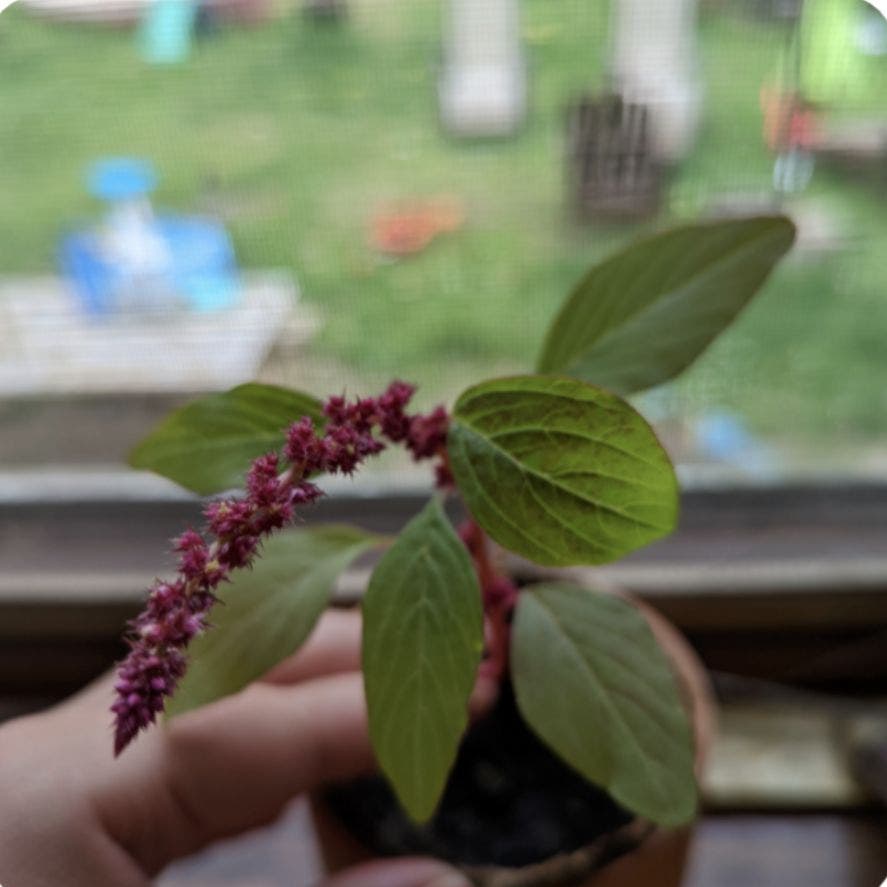
Prostrate Pigweed is a low-growing, sprawling annual that forms dense mats across the ground. Its broad, green leaves have a smooth texture, making them easily recognizable.
The plant produces small, greenish flowers clustered in spikes, which can be a telltale sign of its presence. These features make it distinct among other plants in the area.
Comparison with Look-Alike Plants 🔍
When identifying Prostrate Pigweed, it's essential to distinguish it from other Amaranthus species and common garden weeds.
Look for its unique growth habit and leaf characteristics, as these can help you differentiate it from similar plants. Notably, many look-alikes may not exhibit the same sprawling nature or leaf texture, making careful observation crucial.
Understanding these distinctions can aid in effective management and control of this invasive species.
Growth Habits and Spread
Typical Growth Patterns 🌱
Prostrate Pigweed exhibits a rapid growth rate, often reaching maturity in just a few weeks under favorable conditions. It typically germinates in spring and can persist throughout the summer, making it a formidable competitor in various environments.
Reproductive Strategies and Seed Dispersal 🌬️
This invasive plant is a prolific seed producer, with each plant capable of generating thousands of seeds. These seeds are dispersed by wind, water, and human activity, enhancing its spread across landscapes.
Viability of Seeds 🥚
One of the most concerning aspects of Prostrate Pigweed is its seed viability. Seeds can remain dormant in the soil for several years, waiting for the right conditions to germinate and contribute to its invasive nature.
Environmental Conditions Favoring Spread 🌍
Prostrate Pigweed thrives in disturbed, nutrient-rich soils, often found in agricultural settings. Its adaptability allows it to tolerate drought and poor soil quality, further facilitating its spread.
Understanding these growth habits and reproductive strategies is crucial for effective management. The next section will delve into the ecological impact of Prostrate Pigweed, highlighting its effects on native plant communities and wildlife.
Ecological Impact
🌱 Effects on Native Plant Communities
Prostrate Pigweed aggressively competes with native vegetation, leading to a significant reduction in biodiversity. Its rapid growth and high reproductive capacity allow it to dominate habitats, pushing out native plants that are crucial for ecosystem balance.
This invasive species alters soil composition and nutrient availability, creating an environment that favors its continued spread. As native plants decline, the overall health of the ecosystem suffers, impacting everything from soil stability to water retention.
🦉 Impact on Wildlife and Biodiversity
The presence of Prostrate Pigweed disrupts food sources for native fauna, altering habitats that many species rely on. As this invasive plant takes over, it can diminish the availability of native plants that provide essential nutrition for wildlife.
Moreover, the decline in native species can lead to a cascading effect throughout the food web. As populations of native plants and animals dwindle, the entire ecosystem faces challenges, threatening its resilience and stability.
Understanding these ecological impacts is crucial for effective management and control of Prostrate Pigweed. By recognizing the threats it poses, we can take proactive steps to protect our native ecosystems and promote biodiversity.
Economic or Agricultural Impact
💸 Economic Losses Associated with Prostrate Pigweed
Prostrate Pigweed can significantly reduce crop yields by competing for essential nutrients and water. This competition can lead to lower harvests, affecting farmers' income and food supply.
In addition to yield losses, managing Prostrate Pigweed incurs increased costs. Farmers often need to allocate more resources for control measures, which can strain budgets and divert funds from other critical agricultural needs.
🌾 Agricultural Challenges Posed by Its Presence
One of the primary challenges in managing Prostrate Pigweed is its resistance to common herbicides. This resistance complicates control efforts, forcing farmers to explore alternative methods or invest in more expensive solutions.
The difficulty in effectively managing this invasive plant can lead to a cycle of frustration and financial strain for agricultural producers. As Prostrate Pigweed continues to spread, the urgency for effective management strategies becomes even more critical.
In summary, the economic and agricultural impacts of Prostrate Pigweed are profound. Farmers face not only reduced yields but also escalating management costs, making it essential to address this invasive species promptly and effectively.
As we move forward, understanding the ecological implications of Prostrate Pigweed will shed light on the broader consequences of its presence in our ecosystems.
Control and Management
🌱 Manual Removal Techniques and Best Practices
Manual removal is a straightforward yet effective method for controlling Prostrate Pigweed.
- Timing: It's crucial to remove the plants before they flower to prevent seed dispersal.
- Tools: Hand tools or hoes work best for effective removal, ensuring you get the roots.
- Disposal: Proper disposal of removed plants is essential to prevent re-establishment in the area.
🧪 Overview of Chemical Control Options
Chemical control can complement manual techniques, but it requires careful consideration.
- Herbicides: Various types exist, each with specific application methods for effective control.
- Resistance Issues: Be aware of challenges posed by herbicide-resistant strains, which can complicate management efforts.
🦠 Biological Control Methods and Their Effectiveness
Biological control offers an alternative approach, focusing on natural solutions.
- Potential Biocontrol Agents: Research is ongoing into natural predators or pathogens that could help manage Prostrate Pigweed.
- Limitations: However, implementing biological controls can be challenging, requiring careful planning and monitoring.
🚫 Preventive Measures to Limit Spread
Prevention is often the best strategy when it comes to invasive species.
- Monitoring: Regular inspections of gardens and fields can help catch infestations early.
- Soil Management: Practices that improve soil health and reduce disturbance can limit the spread of Prostrate Pigweed.
🔍 Importance of Early Detection and Rapid Response
Early detection can make all the difference in managing invasive plants.
- Strategies for Early Identification: Training and resources for land managers are vital for recognizing Prostrate Pigweed before it becomes a problem.
- Response Plans: Having quick action protocols in place can help manage new infestations effectively.
By employing a combination of these control methods, you can significantly reduce the impact of Prostrate Pigweed in your area. This proactive approach not only protects native ecosystems but also fosters healthier agricultural practices.
Legal Status
Laws and Regulations Regarding Prostrate Pigweed 🌱
Prostrate Pigweed is classified as an invasive species under various state and federal regulations. These laws aim to control its spread and mitigate its ecological impact.
Landowners and managers have specific compliance requirements. They must be aware of local regulations and take proactive steps to manage this invasive plant effectively.
Requirements for Removal or Control in Specific Areas 📜
Local ordinances often outline specific guidelines for managing Prostrate Pigweed. These can include mandatory removal practices and reporting procedures for new infestations.
Understanding these regulations is crucial for effective management. It ensures that landowners contribute to the broader effort of preserving local ecosystems.
By staying informed and compliant, we can collectively combat the spread of Prostrate Pigweed and protect our native flora.
Potential Benefits or Uses
🌿 Historical Uses of Prostrate Pigweed
Prostrate Pigweed has been utilized in various cultures for centuries. Traditionally, it served as a food source and was often incorporated into local diets.
🥗 Current Beneficial Uses
Today, Prostrate Pigweed is recognized for its nutritional value. The young leaves and seeds are edible, offering a source of vitamins and minerals.
⚠️ Emphasis on Negative Impacts Outweighing Benefits
Despite these potential uses, the negative impacts of Prostrate Pigweed far outweigh its benefits. Its invasive nature disrupts ecosystems and agricultural practices, leading to significant ecological and economic challenges.
In summary, while Prostrate Pigweed has historical and nutritional significance, its role as an invasive species poses serious threats to biodiversity and crop production. Understanding these dynamics is crucial for effective management and control strategies.
⚠️ Safety First
This content is for general information and may contain errors, omissions, or outdated details. It is not medical, veterinary advice, or an endorsement of therapeutic claims.
Always consult a qualified healthcare professional before using any plant as food, medicine, or supplement.
Never eat any plant (or feed one to pets) without confirming its identity with at least two trusted sources.
If you suspect poisoning, call Poison Control (800) 222-1222, the Pet Poison Helpline (800) 213-6680, or your local emergency service immediately.
Spotted an error? Please report it here.
Combat the spread of Prostrate Pigweed 🌱 by using Greg's plant identification and community insights to stay ahead in managing this invasive threat!