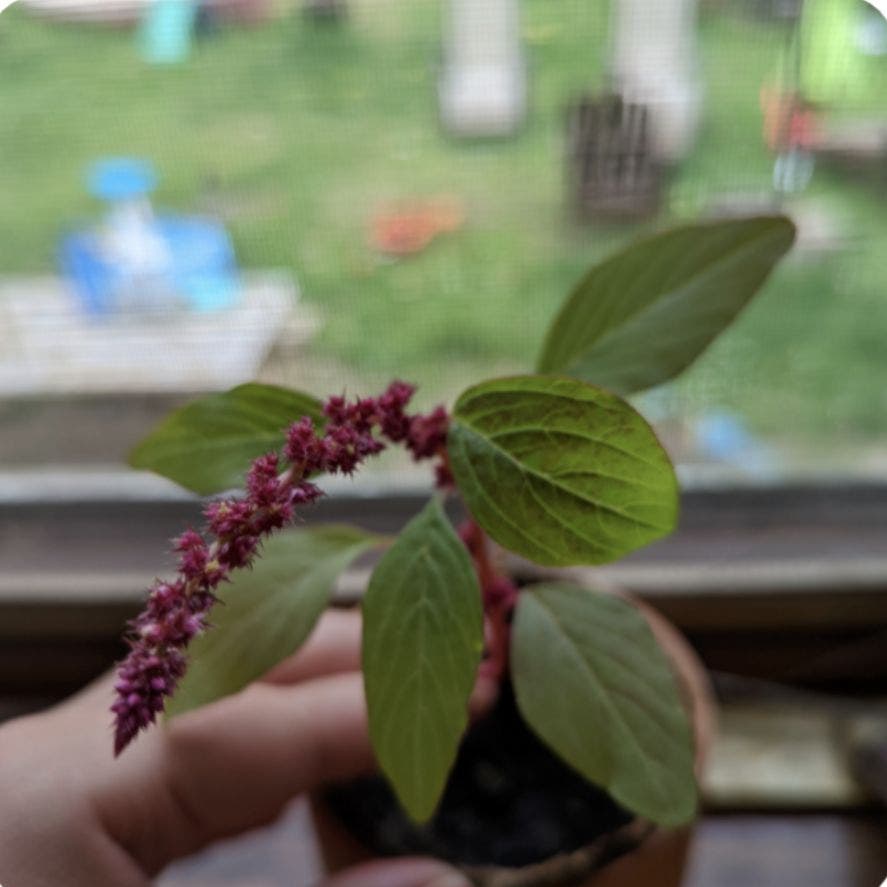
🐷 Prostrate Pigweed Hardiness Zones: 4a-11b
Amaranthus blitoides
By the Greg Editorial Team
Sep 29, 2024•4 min read
This article was created with the help of AI so we can cover more plants for you. May contain errors. See one? Report it here.
Unlock the secret to thriving Prostrate Pigweed 🌱 by mastering its temperature tolerances and ideal growing conditions!
- 🌱 Prostrate Pigweed thrives in USDA zones 4a-11b, suitable for diverse climates.
- ❄️ Cold tolerance: withstands 20°F but sensitive to prolonged frost, especially young plants.
- 🌞 Ideal planting occurs after the last frost; it flourishes in warm, moist conditions.
Prostrate Pigweed Temperature Tolerance
❄️ Cold Tolerance Specifics
Prostrate Pigweed is remarkably resilient, tolerating temperatures as low as 20°F (-6°C). While it can withstand light frosts, prolonged exposure can harm young plants, making timing crucial for successful growth.
To avoid frost damage, it's essential to consider ideal planting times. Planting after the last frost date in your area will help ensure that your Prostrate Pigweed thrives.
☀️ Heat Tolerance Specifics
On the flip side, Prostrate Pigweed thrives in warmer climates, flourishing in temperatures up to 95°F (35°C). With adequate moisture, it can even tolerate higher temperatures, making it a versatile choice for various environments.
Once established, this plant exhibits impressive drought resistance. Its ability to endure dry conditions makes it a low-maintenance option for gardeners in hotter regions.
Understanding these temperature tolerances is key to successfully cultivating Prostrate Pigweed in diverse climates. With the right conditions, you can enjoy a robust and resilient plant that enhances your garden.
Ideal Growing Conditions
Examples of Ideal US States/Regions 🌎
Prostrate Pigweed thrives in USDA hardiness zones 4a-11b, making several states prime locations for its growth.
- California: Known for its warm climate and extended growing season, it provides an excellent environment for this resilient plant.
- Texas: With its diverse climates, particularly in the southern regions, Texas offers varied conditions that support Prostrate Pigweed.
- Florida: The warm temperatures allow for year-round growth, making Florida an ideal habitat.
Factors Contributing to Ideal Growing Conditions 🌱
To flourish, Prostrate Pigweed prefers specific soil and environmental conditions.
- Soil Preferences: It thrives in well-drained soils that facilitate rapid growth, ensuring the plant receives adequate nutrients and moisture.
- Disturbed Areas: This adaptable weed can thrive in urban and agricultural settings, showcasing its resilience and ability to grow in less-than-ideal conditions.
Understanding these ideal growing conditions can help gardeners and farmers cultivate Prostrate Pigweed effectively. With the right environment, this hardy plant can flourish, contributing to diverse ecosystems and agricultural practices.
As we explore further, let’s delve into how microclimates can impact the growth of Prostrate Pigweed beyond typical hardiness zones.
Microclimates and Their Impact
🌍 How Microclimates Can Extend Growing Range
Microclimates are localized areas where the climate differs from the surrounding region. They can significantly influence the growth of Prostrate Pigweed, allowing it to thrive even outside its typical hardiness zones.
Common examples of microclimates include urban heat islands, sheltered valleys, and south-facing slopes. Urban areas often trap heat, creating warmer conditions that can support plant growth year-round.
Prostrate Pigweed benefits from these localized temperature variations. In sheltered valleys, for instance, the natural protection from wind and frost can create a more favorable environment for this resilient plant.
By leveraging these unique microclimates, gardeners can successfully cultivate Prostrate Pigweed in regions that might otherwise seem unsuitable. This adaptability highlights the importance of understanding local conditions for optimal plant growth.
As we explore suitable states for Prostrate Pigweed, keep in mind how these microclimates can expand your gardening possibilities.
State-Level Analysis
🌱 Suitable US States in Hardiness Zones 4a-11b
Prostrate Pigweed thrives in a variety of climates across the United States, particularly in USDA hardiness zones 4a to 11b. Here’s a quick look at the states where this resilient plant flourishes:
- California: Known for its warm climate and extended growing season, California offers ideal conditions for Prostrate Pigweed.
- Texas: With diverse climates, especially in the southern regions, Texas provides a suitable environment for this hardy plant.
- Florida: The warm temperatures in Florida allow for year-round growth, making it a prime location for Prostrate Pigweed.
- Arizona: Hot summers and mild winters create a favorable habitat for this species.
- Louisiana: The humid subtropical climate supports robust growth.
- North Carolina: A mix of warm summers and mild winters makes it a suitable choice.
- South Carolina: Similar to its northern neighbor, it offers ideal conditions for thriving.
- Georgia: The warm climate and ample rainfall contribute to successful growth.
❌ Unsuitable US States and Reasons
While Prostrate Pigweed is adaptable, some states simply don’t provide the right conditions for it to thrive. Here are a few that fall short:
- Alaska: With extremely low temperatures and prolonged frost periods, Alaska is far too harsh for Prostrate Pigweed.
- North Dakota: The harsh winters and short growing seasons make it unsuitable for this plant.
- Maine: Cold climates and early frosts hinder growth, preventing Prostrate Pigweed from establishing.
These states experience average annual minimum temperatures that fall below the tolerance range for Prostrate Pigweed. Understanding these limitations helps gardeners make informed decisions about where to plant this resilient species.
As we explore the next section, we'll delve into how microclimates can influence the growing range of Prostrate Pigweed, potentially allowing it to thrive in unexpected places.
⚠️ Safety First
This content is for general information and may contain errors, omissions, or outdated details. It is not medical, veterinary advice, or an endorsement of therapeutic claims.
Always consult a qualified healthcare professional before using any plant as food, medicine, or supplement.
Never eat any plant (or feed one to pets) without confirming its identity with at least two trusted sources.
If you suspect poisoning, call Poison Control (800) 222-1222, the Pet Poison Helpline (800) 213-6680, or your local emergency service immediately.
Spotted an error? Please report it here.
Grow Prostrate Pigweed like a pro 🌱 by using Greg's tailored care tips and reminders to thrive in your unique environment!