Prostrate Pigweed Is Not a Perennial 🐖
Amaranthus blitoides
By the Greg Editorial Team
Sep 29, 2024•6 min read
This article was created with the help of AI so we can cover more plants for you. May contain errors. See one? Report it here.
Unlock vibrant seasonal beauty in your garden with Prostrate Pigweed's unique lifecycle! 🌿
- 🌱 Prostrate Pigweed is an annual, completing its lifecycle in one growing season.
- 🌼 It flowers mid-summer, producing seeds for next year's growth after dying off.
- 🌍 Understanding its nature aids garden planning, ensuring effective management and crop rotation.
Characteristics of Prostrate Pigweed as an Annual
🌱 Single-Season Lifecycle
Prostrate Pigweed, scientifically known as Amaranthus blitoides, follows a distinct single-season lifecycle. This lifecycle includes four main stages: germination, growth, flowering, and death.
Germination: Timing and Conditions
Germination typically occurs in warm conditions, often in late spring or early summer. The seeds require moisture and warmth to sprout effectively.
Growth: Rapid Development and Maturity
Once germinated, Prostrate Pigweed experiences rapid growth. Under optimal conditions, it can mature within just a few weeks, reaching heights of up to 12 inches.
Flowering: Timing and Characteristics
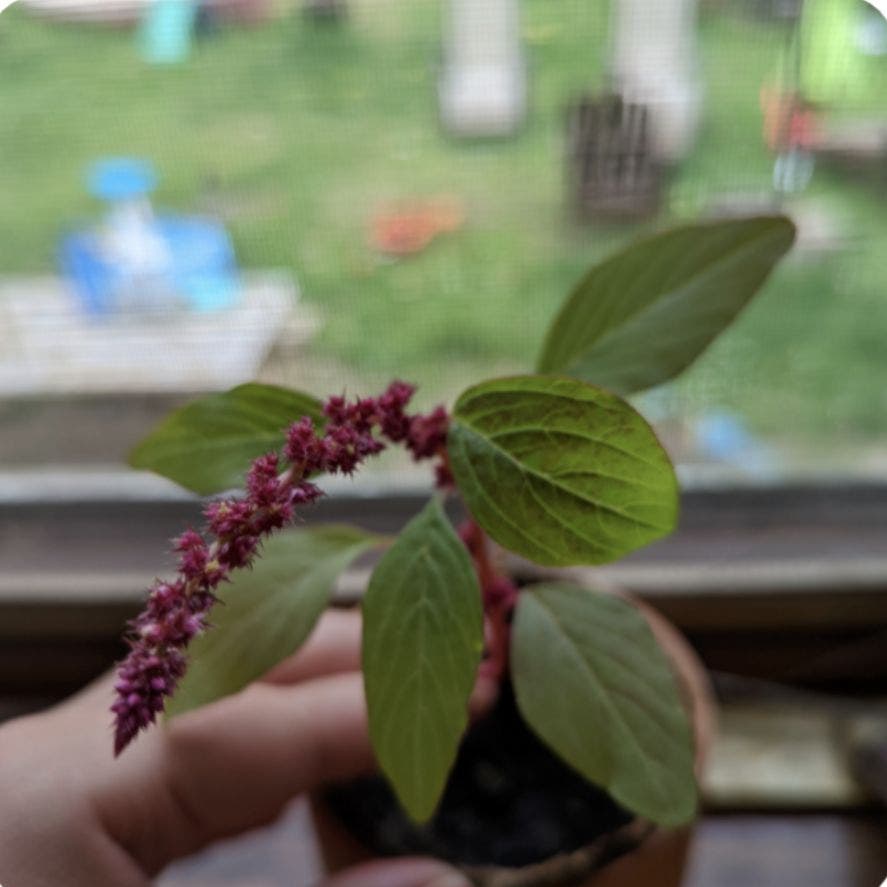
Flowering usually begins in mid-summer, with small, greenish flowers that can appear in clusters. These flowers are crucial for seed production, ensuring the plant's lifecycle continues.
Death: Lifecycle Completion Within One Season
By the end of the growing season, Prostrate Pigweed completes its lifecycle. It dies off, leaving behind seeds that can germinate the following year.
🚀 Rapid Growth Rate
Prostrate Pigweed is known for its impressive growth rate, often outpacing many other garden plants. This rapid development makes it a resilient competitor in various environments.
Comparison with Other Garden Plants
Compared to slower-growing plants, Prostrate Pigweed can thrive in less-than-ideal conditions. Its adaptability allows it to flourish in diverse soil types and climates.
Factors Contributing to Rapid Growth
Several factors contribute to its quick growth, including favorable weather, nutrient-rich soil, and minimal competition. This combination allows Prostrate Pigweed to dominate its surroundings.
🌿 Inability to Regrow from Roots
Unlike perennials, Prostrate Pigweed cannot regrow from its root system. This characteristic significantly impacts garden planning and management.
Root System Characteristics
Prostrate Pigweed has a shallow root system that does not store energy for regrowth. This makes it easy to remove from gardens but also means it must be replanted each season.
Distinction from Perennials
The inability to regrow from roots sets Prostrate Pigweed apart from perennial plants, which can survive winter and re-emerge. Understanding this distinction is crucial for effective garden management.
As we explore the implications of Prostrate Pigweed's annual nature, we’ll see how its growth and flowering patterns influence garden aesthetics and planning.
Implications of Annual Nature
🌱 Growth and Flowering Patterns
Prostrate Pigweed has a unique relationship between its growth and flowering. It typically flowers in the late summer, coinciding with its peak growth phase, which allows for efficient pollination and seed production.
This seasonal flowering habit ensures that the plant maximizes its reproductive potential before the onset of cooler weather. The timing is crucial for attracting pollinators, which play a vital role in the plant's lifecycle.
⏳ Lifespan Compared to Perennials
The average lifespan of Prostrate Pigweed is just one growing season, making it distinctly different from perennials. While perennials can live for several years, Prostrate Pigweed completes its lifecycle in a matter of months.
This short lifespan has significant implications for garden aesthetics and planning. Gardeners can expect vibrant displays of growth and flowering, but they must also plan for the plant's absence in subsequent seasons. Understanding this annual nature helps in creating dynamic garden designs that embrace seasonal changes.
Incorporating Prostrate Pigweed into your garden can lead to exciting opportunities for rotation and diversity. As we explore further, let’s look at common misconceptions surrounding this fascinating plant.
Common Misconceptions
🌱 Misunderstandings About Prostrate Pigweed Being a Perennial
Many gardeners mistakenly believe that Prostrate Pigweed is a perennial plant. This misconception often arises from its vigorous growth and ability to spread quickly, which can give the impression that it returns year after year.
In reality, Prostrate Pigweed completes its lifecycle in a single season. It may appear perennial in certain conditions, especially if it self-seeds effectively, leading to new plants sprouting in subsequent years.
📅 Clarifying Its Annual Classification
The classification of Prostrate Pigweed as an annual is well-supported by its lifecycle characteristics. Unlike perennials, which have a longer lifespan and can regrow from their root systems, Prostrate Pigweed relies on seeds for propagation.
Understanding this classification is crucial for gardeners. It helps in planning garden layouts and managing plant growth effectively, ensuring that expectations align with the plant's true nature.
With this clarity, gardeners can make informed decisions about incorporating Prostrate Pigweed into their planting schemes, maximizing its benefits while avoiding potential pitfalls.
As we delve deeper into the implications of its annual nature, you'll discover how to harness Prostrate Pigweed's unique characteristics for a thriving garden.
Advantages of Prostrate Pigweed's Annual Nature
🌱 Quick Maturity Benefits
Prostrate Pigweed reaches maturity in a remarkably short timeframe, often within just a few weeks. This rapid growth is a boon for seasonal gardening, allowing gardeners to enjoy fresh greens and vibrant blooms without a long wait.
The quick turnaround means you can maximize your garden's productivity. Whether you're looking for a fast crop for a summer salad or a splash of color in your flower beds, Prostrate Pigweed delivers.
🔄 Flexibility in Garden Planning
The annual nature of Prostrate Pigweed opens up exciting opportunities for crop rotation and seasonal changes. This flexibility allows you to adapt your garden layout each year, keeping it dynamic and engaging.
Incorporating Prostrate Pigweed into diverse planting schemes can enhance your garden's biodiversity. Its adaptability means it can thrive alongside various plants, making it a versatile choice for any gardener looking to experiment.
With these advantages, Prostrate Pigweed not only enriches your garden but also simplifies planning and maintenance. As you explore its potential, you'll find it a valuable ally in your gardening journey.
Strategies for Enjoying Prostrate Pigweed
🌱 Self-Seeding Behavior
Prostrate Pigweed has a fascinating self-seeding ability. Under the right conditions, such as ample sunlight and moisture, it can drop seeds that germinate in the following season.
This self-seeding behavior not only ensures a new generation of plants but also reduces the need for replanting. Gardeners can enjoy a continuous cycle of growth, making it a low-maintenance option.
🎨 Incorporating into Garden Designs
Integrating Prostrate Pigweed into your garden design can be both fun and rewarding. Consider companion planting with perennials to create a vibrant and diverse ecosystem.
The contrasting colors and textures of Prostrate Pigweed alongside perennials can enhance visual appeal. This strategy not only beautifies your garden but also supports biodiversity.
🌼 Maximizing Impact Alongside Perennials
Pairing Prostrate Pigweed with perennial plants can elevate your garden's aesthetics. Timing is crucial; plant them together to ensure they complement each other throughout the growing season.
Spacing is also important. Properly spaced plants allow for air circulation and light penetration, promoting healthy growth. This thoughtful arrangement can enhance both the beauty and functionality of your garden.
By understanding and utilizing these strategies, you can fully enjoy the benefits of Prostrate Pigweed while creating a dynamic and engaging garden space. Next, let’s explore the advantages of its annual nature.
⚠️ Safety First
This content is for general information and may contain errors, omissions, or outdated details. It is not medical, veterinary advice, or an endorsement of therapeutic claims.
Always consult a qualified healthcare professional before using any plant as food, medicine, or supplement.
Never eat any plant (or feed one to pets) without confirming its identity with at least two trusted sources.
If you suspect poisoning, call Poison Control (800) 222-1222, the Pet Poison Helpline (800) 213-6680, or your local emergency service immediately.
Spotted an error? Please report it here.
Embrace the annual nature of Prostrate Pigweed to maximize your garden's potential 🌼 with Greg's personalized planting reminders and tips for vibrant seasonal displays!