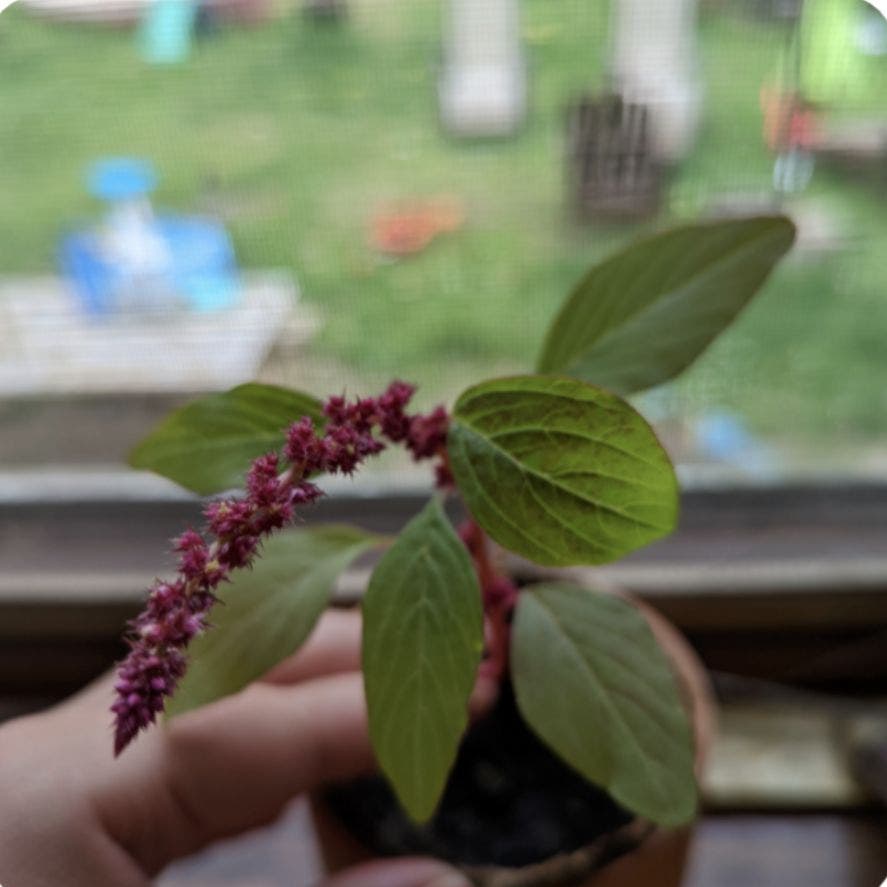
🏎️ How Fast Your Prostrate Pigweed Will Grow
Amaranthus blitoides
By the Greg Editorial Team
Sep 29, 2024•5 min read
This article was created with the help of AI so we can cover more plants for you. May contain errors. See one? Report it here.
Master prostrate pigweed's growth stages 🌱 to cultivate a thriving garden with this essential care guide!
- 🌱 Prostrate pigweed germinates in 5-10 days under optimal conditions—fast growth guaranteed!
- ☀️💧 Consistent moisture and sunlight are essential for healthy vegetative growth.
- 🌾 Maturity occurs in 6-8 weeks, with notable changes in leaf size and color.
Germination Stage
🌱 Duration of Germination
Germination is the first step in the life of prostrate pigweed, typically taking about 5-10 days under optimal conditions. This quick turnaround is crucial for establishing a healthy plant.
🌞 Conditions for Successful Germination
To ensure successful germination, several conditions must be met.
🌡️ Soil Temperature
The ideal soil temperature ranges from 20°C to 30°C (68°F to 86°F). This warmth kickstarts the germination process.
💧 Soil Moisture
Maintaining consistent moisture is essential, but avoid waterlogging. Too much water can drown the seeds before they sprout.
💡 Light Requirements
Interestingly, light can enhance germination rates. Providing some light during this stage can give your seeds a better chance to thrive.
Understanding these factors can significantly improve your success in growing prostrate pigweed. With the right conditions, you’ll see those seeds sprout in no time!
Next, we’ll explore the seedling stage, where the young plants begin to establish themselves.
Seedling Stage
Characteristics of Seedlings 🌱
Prostrate pigweed seedlings are easily recognizable by their small, green cotyledons. This initial stage showcases a rapid establishment of roots and leaves, setting the foundation for future growth.
Duration of the Seedling Stage ⏳
The seedling stage lasts approximately 2-3 weeks, during which true leaves begin to develop. This quick transition is crucial for the plant's overall health and vigor.
As the seedlings mature, they prepare for the next phase of growth, leading to the vegetative stage. Understanding this early development helps gardeners and farmers optimize conditions for robust growth.
Vegetative Growth Stage
🌱 Growth Patterns and Duration
The vegetative growth stage of prostrate pigweed typically lasts 3-4 weeks. During this time, the plant experiences significant leaf development, establishing a robust structure.
This growth habit is particularly fascinating as it spreads horizontally, forming a dense mat that can cover the ground quickly. This mat not only helps the plant compete for resources but also provides a lush green carpet in its environment.
🌍 Environmental Factors Affecting Growth
Soil quality plays a crucial role in the growth of prostrate pigweed. While it can adapt to poor soil conditions, it truly thrives in well-drained, fertile environments.
Water availability is another key factor. Although the plant can tolerate drought, it prefers consistent moisture to reach its full potential.
Lastly, sunlight is essential for optimal growth. Prostrate pigweed requires full sun, making it a great candidate for sunny spots in your garden or field.
Understanding these factors can help you cultivate a healthy crop of prostrate pigweed, maximizing its growth and vitality. Next, we will explore the flowering stage and what to expect as the plant transitions into this exciting phase.
Flowering Stage
Timing of Flowering 🌸
Flowering in prostrate pigweed kicks off about 6-8 weeks after germination. This stage aligns perfectly with warm weather, making it a vibrant time for the plant.
Characteristics of Flowers 🌼
The flowers are small and greenish, clustered in spikes that add a unique texture to the plant. They are primarily wind-pollinated, which plays a significant role in the plant's impressive seed production.
This flowering stage is crucial, as it sets the stage for the next phase: seed production. Understanding this transition can help you appreciate the lifecycle of prostrate pigweed even more.
Seed Production
Duration and Conditions for Seed Production 🌡️
Seed production in prostrate pigweed kicks off shortly after flowering, usually within 1-2 weeks. To maximize seed set, warm temperatures and adequate moisture are essential.
Seed Dispersal Mechanisms 🌬️
Once produced, seeds need to find their way into new environments. Wind and water are primary dispersal methods, but seeds can also hitch a ride on animals or equipment, spreading the plant far and wide.
Understanding these mechanisms is crucial for managing prostrate pigweed, especially if you're looking to control its growth in your garden or field.
With seed production and dispersal covered, let’s explore how long it takes for prostrate pigweed to reach full maturity.
Growth Rate and Maturation
How Long Until Prostrate Pigweed is Fully Grown? 🌱
Prostrate pigweed typically takes about 6-8 weeks to reach full maturity from seed. This rapid growth makes it a resilient and adaptable plant in various environments.
Factors Influencing Growth Rate 🌍
Several factors can influence how quickly prostrate pigweed grows.
- Soil Nutrients: Higher nutrient availability can significantly accelerate growth.
- Environmental Stress: Conditions like drought or poor soil quality can slow down its development.
Comparison of Growth Rates in Different Environments 🌿
The growth rate of prostrate pigweed varies depending on its surroundings.
- Growth in Disturbed Soils: It tends to grow faster in disturbed soils due to reduced competition from other plants.
- Growth in Cultivated Fields: In managed fields, growth is moderate, influenced by agricultural practices.
Notable Changes Throughout Life Cycle 🔄
Understanding the changes prostrate pigweed undergoes can provide insight into its adaptability.
Morphological Changes from Seed to Maturity 🌼
As prostrate pigweed matures, it transitions from small cotyledons to broad, leafy structures. This change is crucial for its ability to capture sunlight and thrive.
Changes in Color, Size, and Structure 🎨
- Color Changes: The leaves may darken as the plant matures, indicating healthy growth.
- Size: Expect a rapid increase in leaf size and overall plant spread, showcasing its vigorous nature.
These transformations highlight the resilience and adaptability of prostrate pigweed, making it a fascinating plant to observe. Next, we'll explore the flowering stage and what it means for the plant's lifecycle.
⚠️ Safety First
This content is for general information and may contain errors, omissions, or outdated details. It is not medical, veterinary advice, or an endorsement of therapeutic claims.
Always consult a qualified healthcare professional before using any plant as food, medicine, or supplement.
Never eat any plant (or feed one to pets) without confirming its identity with at least two trusted sources.
If you suspect poisoning, call Poison Control (800) 222-1222, the Pet Poison Helpline (800) 213-6680, or your local emergency service immediately.
Spotted an error? Please report it here.
Unlock the fast-growing potential of prostrate pigweed 🌿 with Greg's tailored watering and light reminders to ensure your plants thrive from seed to bloom!