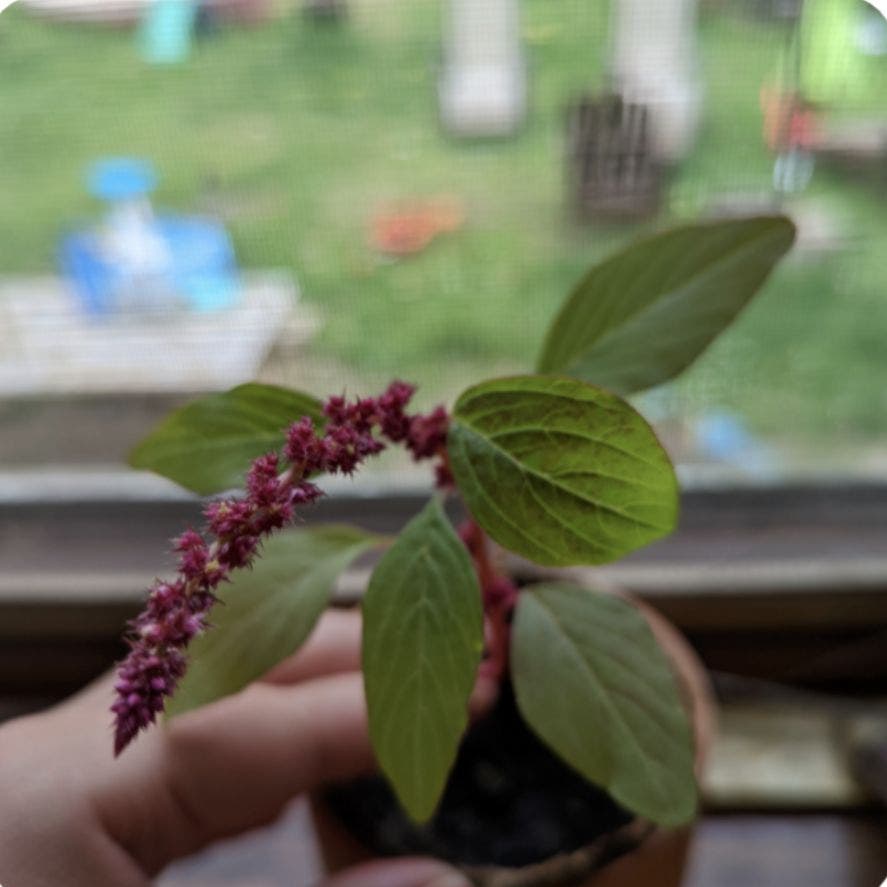
4 Factors Affecting Prostrate Pigweed Flowering
Amaranthus blitoides
By the Greg Editorial Team
Sep 29, 2024•4 min read
This article was created with the help of AI so we can cover more plants for you. May contain errors. See one? Report it here.
Boost your Prostrate Pigweed's blooms 🌼 by mastering sunlight, nutrients, and pruning techniques for vibrant growth!
- 🌞 Prostrate Pigweed needs 6-8 hours of sunlight daily for optimal flowering.
- 🌱 Key nutrients like nitrogen, phosphorus, and potassium are vital for flower development.
- 🌿 Pruning in early spring promotes bushier growth and enhances flowering potential.
Light Requirements
Importance of Sunlight for Flowering 🌞
Prostrate Pigweed thrives in full sun, needing at least 6-8 hours of direct sunlight daily. This ample light is crucial for photosynthesis, directly influencing the plant's bloom cycle.
Effects of Insufficient Light on Bloom Cycle 🌑
Insufficient light can lead to several issues.
- Delayed flowering: Plants may not mature in time to bloom.
- Reduced flower quantity: Fewer flowers can develop, impacting overall yield.
Solutions for Light Deficiency 💡
To combat these challenges, consider the following solutions:
- Relocate plants: Move them to sunnier areas or use grow lights indoors.
- Monitor light exposure: Regularly check to ensure optimal conditions throughout the day.
By ensuring your Prostrate Pigweed receives adequate sunlight, you set the stage for a vibrant bloom cycle. Next, let’s explore the nutritional needs that further enhance flowering.
Nutritional Needs
🌼 Key Nutrients for Optimal Flower Development
Prostrate Pigweed flourishes when it receives essential nutrients.
- Nitrogen is vital for lush foliage but should be balanced; too much can lead to excessive leafy growth at the expense of flowers.
- Phosphorus plays a crucial role in flower development and supports robust root health.
- Potassium enhances overall plant resilience, helping it withstand stressors.
⚠️ Signs of Nutritional Deficiencies Leading to Bud Drop
Recognizing nutrient deficiencies early can save your plants from serious issues.
- Yellowing leaves often indicate a nitrogen deficiency, signaling that your plant isn't getting enough of this key nutrient.
- Poor flower formation may suggest a lack of phosphorus, which is essential for blooming.
- Premature bud drop is frequently linked to potassium deficiency, leaving you with fewer flowers than expected.
🛠️ Solutions for Nutritional Issues
Addressing these deficiencies is straightforward.
- Start by conducting soil tests to assess nutrient levels accurately.
- During the growing season, apply a balanced fertilizer, paying special attention to phosphorus and potassium to boost flower development.
By ensuring your Prostrate Pigweed gets the right nutrients, you set the stage for a vibrant bloom cycle. This proactive approach not only enhances flowering but also promotes overall plant health, paving the way for the next topic on pruning techniques.
Pruning Techniques
🌸 How Pruning Can Influence Flowering
Pruning is a game-changer for Prostrate Pigweed. It encourages bushier growth and creates more sites for flowers to develop, enhancing your plant's blooming potential.
Removing dead or damaged stems is equally important. This practice redirects energy to healthier parts of the plant, promoting robust growth and vibrant flowers.
⏰ Timing and Methods for Effective Pruning
The best time to prune your Prostrate Pigweed is early spring, just before flowering begins. This timing ensures that your plant has ample opportunity to flourish.
Here are some effective techniques to consider:
- Pinching Back Tips: This method promotes branching, leading to a fuller plant.
- Removing Spent Flowers: By cutting away old blooms, you encourage the growth of new ones.
With these simple techniques, you can significantly boost your plant's flowering potential.
As we move forward, let’s explore how environmental stressors can also impact flowering.
Environmental Stressors
🌡️ Impact of Temperature and Humidity on Flowering
Prostrate Pigweed thrives in moderate temperatures, ideally between 20°C to 30°C (68°F to 86°F). Extreme conditions can disrupt its flowering cycle; high humidity often invites fungal diseases, while low humidity can stress the plant, leading to premature bud drop.
🌱 Effects of Soil Quality and Drainage on Flower Development
Soil quality is a game changer for Prostrate Pigweed. Well-draining soil is essential; poor drainage can cause root rot, stunting growth and flowering.
- Nutrient Availability: Healthy soil ensures that nutrients are accessible, promoting robust plant health.
- Solutions:
- Amend your soil with organic matter to enhance drainage and nutrient content.
- Regularly check soil moisture levels to prevent overwatering, which can suffocate roots.
Understanding these environmental stressors is crucial for nurturing Prostrate Pigweed. By managing temperature, humidity, and soil conditions, you can significantly enhance flowering potential.
Next, let’s explore how effective pest and disease management can further support your plant’s blooming journey.
Pest and Disease Management
Common Pests Affecting Flowering 🐞
Prostrate Pigweed can fall victim to several pests that hinder its flowering potential. Aphids are notorious for causing stunted growth and bud drop, while spider mites can lead to yellowing leaves and diminished flower quality.
Solutions for Pest-Related Flower Issues 🛠️
Regular monitoring is key to catching infestations early. Look for signs like distorted leaves or webbing, and act quickly.
Using organic insecticides can effectively manage these pests without harming beneficial insects. Alternatively, introducing beneficial insects like ladybugs can help keep aphid populations in check.
Maintaining overall plant health is crucial. Healthy plants are more resilient and less susceptible to pest attacks. Regular watering, proper nutrition, and good soil quality create a robust environment for your Prostrate Pigweed.
By staying vigilant and proactive, you can ensure your plants thrive and produce beautiful blooms. Next, let’s explore how environmental factors like temperature and humidity also play a role in flowering.
⚠️ Safety First
This content is for general information and may contain errors, omissions, or outdated details. It is not medical, veterinary advice, or an endorsement of therapeutic claims.
Always consult a qualified healthcare professional before using any plant as food, medicine, or supplement.
Never eat any plant (or feed one to pets) without confirming its identity with at least two trusted sources.
If you suspect poisoning, call Poison Control (800) 222-1222, the Pet Poison Helpline (800) 213-6680, or your local emergency service immediately.
Spotted an error? Please report it here.
Unlock your Prostrate Pigweed's blooming potential 🌼 with Greg's tailored care tips and reminders for sunlight, nutrition, and pruning to ensure a vibrant garden!