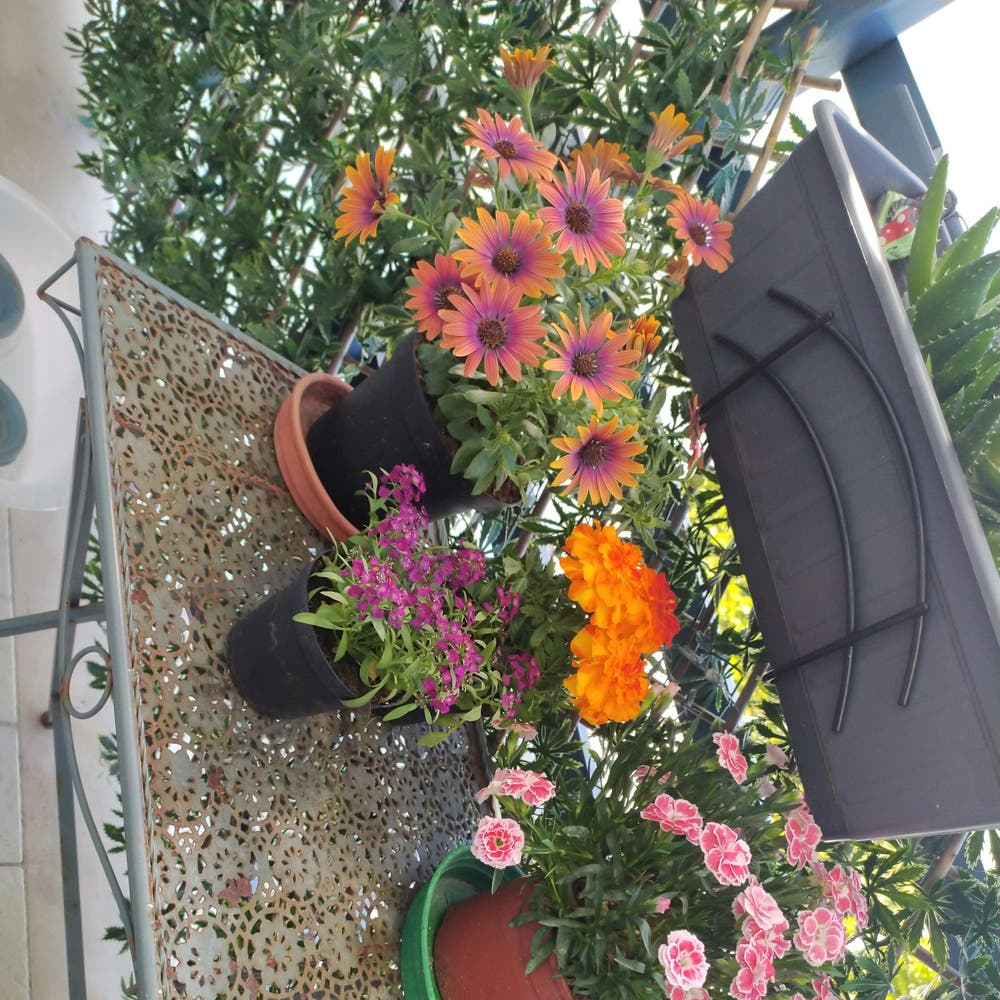
❄️ Determining What Might Be Eating Your Snow Princess Alyssum
Lobularia maritima 'Snow Princess'
By the Greg Editorial Team
Sep 28, 2024•7 min read
This article was created with the help of AI so we can cover more plants for you. May contain errors. See one? Report it here.
Safeguard your Snow Princess Alyssum from pesky herbivores 🌱 to cultivate a flourishing garden oasis! 🌼
- 🦌 Identify common herbivores like deer and rabbits to protect your Snow Princess Alyssum.
- 🌱 Implement deterrents such as fencing and companion planting to safeguard your plants.
- 🐞 Encourage beneficial insects like ladybugs for natural pest control and garden health.
Common Herbivores Affecting Snow Princess Alyssum
🦌 Deer
Signs of presence
Look for distinct hoof prints in the soil and irregularly chewed edges on leaves. These signs indicate that deer are browsing in your garden.
Type of damage caused
Deer primarily browse on flowers and foliage, leading to stunted growth and reduced flowering. This can significantly impact the overall health of your Snow Princess Alyssum.
Beneficial vs. harmful interaction
Deer interactions are generally harmful. If not managed, they can decimate plant populations, leaving your garden vulnerable.
Deterrent methods
To keep deer at bay, consider erecting 8-foot tall fencing to prevent access. You can also use commercial deer repellents or homemade solutions like garlic spray for added protection.
🐇 Rabbits
Signs of presence
Rabbits leave behind clean cuts on young shoots and small, round pellets near the plants. These indicators signal their presence in your garden.
Type of damage caused
Rabbits can cause severe damage to young plants, often killing seedlings. This can be particularly devastating for your Snow Princess Alyssum.
Beneficial vs. harmful interaction
Rabbits are generally harmful. Their feeding habits can lead to significant plant loss, making them a nuisance for gardeners.
Deterrent methods
To deter rabbits, cover your plants with mesh netting. You can also use organic repellents, such as sprays made from hot pepper or garlic, to keep them away.
🐿️ Squirrels
Signs of presence
Look for disturbed soil around the base of plants and irregular holes in foliage. These signs indicate that squirrels are foraging in your garden.
Type of damage caused
Squirrels can damage flowers and roots, hindering plant growth. This can affect the vitality of your Snow Princess Alyssum.
Beneficial vs. harmful interaction
Interactions with squirrels are generally harmful. They compete for resources and can damage your plants significantly.
Deterrent methods
Use scare tactics like reflective tape or noise-making devices to deter squirrels. Live traps can also be effective for relocation.
🐦 Birds
Signs of presence
Peck marks on flowers and leaves, along with signs of nesting behavior nearby, indicate bird activity. These signs can help you identify potential threats.
Type of damage caused
Birds feed on seeds and flowers, which can reduce plant vigor. This feeding can weaken your Snow Princess Alyssum over time.
Beneficial vs. harmful interaction
Birds have a mixed impact. While some are beneficial pollinators, others can cause damage to your plants.
Deterrent methods
To protect your plants, use decoys like plastic owls or other predator replicas. Hanging CDs or aluminum foil strips can also deter birds effectively.
🐭 Rodents (Mice, Voles)
Signs of presence
Look for small holes in the ground near plants and small, dark pellets in the vicinity. These signs indicate rodent activity.
Type of damage caused
Rodents can cause root damage, leading to plant instability and death. This poses a serious threat to your Snow Princess Alyssum.
Beneficial vs. harmful interaction
Rodents are generally harmful. They compete for nutrients and can severely damage roots.
Deterrent methods
Set snap traps or live traps for removal. Habitat modification, such as clearing debris and tall grass, can also reduce hiding spots for rodents.
🦡 Groundhogs/Woodchucks
Signs of presence
Look for large burrows near plants and clean cuts on stems and leaves. These signs indicate that groundhogs or woodchucks are present.
Type of damage caused
These animals can cause extensive damage, often consuming entire plants. This can be devastating for your Snow Princess Alyssum.
Beneficial vs. harmful interaction
Groundhogs are generally harmful. They pose a significant threat to your garden plants.
Deterrent methods
To deter groundhogs, consider strong, buried fencing to prevent burrowing. You can also use commercial or homemade repellents, such as castor oil, to keep them away.
Understanding these common herbivores is essential for protecting your Snow Princess Alyssum. By recognizing their signs and implementing effective deterrent methods, you can maintain a thriving garden. Next, let’s explore the beneficial animals and insects that can enhance your garden ecosystem.
Beneficial Animals and Insects
🌼 Positive Impacts on the Garden Ecosystem
In the world of gardening, not all creatures are foes. Pollinators like bees and butterflies are essential for the health of your Snow Princess Alyssum, as they help in the fertilization process, leading to vibrant blooms.
Additionally, natural pest control is a game-changer. Predatory insects, such as ladybugs and lacewings, actively manage harmful pests, keeping your garden thriving.
🐞 Role of Beneficial Insects in Pest Control
Ladybugs are more than just pretty insects; they are voracious eaters of aphids. A single ladybug can consume up to 5,000 aphids in its lifetime, making it a gardener's best friend.
Lacewings also play a crucial role. Their larvae are known as "aphid lions" for a reason—they feast on aphids and other soft-bodied pests, providing a natural defense for your plants.
By encouraging these beneficial species, you not only protect your Snow Princess Alyssum but also foster a balanced ecosystem. This balance is vital for long-term garden health, allowing you to enjoy the beauty of your plants without constant worry about herbivores.
As you cultivate your garden, remember that nurturing beneficial insects is just as important as deterring the harmful ones. This holistic approach will lead to a flourishing garden that thrives in harmony with nature.
General Strategies for Protecting Snow Princess Alyssum
🛡️ Preventive Measures
Plant Placement
Position your Snow Princess Alyssum away from known herbivore pathways. This simple step can significantly reduce the chances of unwanted munching.
Companion Planting
Consider using companion plants that deter herbivores. Certain herbs or flowers can act as natural repellents, creating a protective barrier around your Alyssum.
⚠️ Reactive Solutions
Monitoring
Regular inspections are crucial for catching signs of damage early. Look for chewed leaves or unusual droppings to stay ahead of potential threats.
Quick Response
Act immediately upon noticing herbivore activity. The sooner you respond, the better your chances of saving your plants from severe damage.
🌱 Balancing Ecosystem Health
Encouraging Beneficial Species
While managing harmful herbivores, don’t forget about the good guys. Attracting beneficial insects can help maintain a balanced ecosystem in your garden.
Managing Harmful Ones
It’s essential to strike a balance between protecting your Alyssum and fostering a healthy garden environment. Use targeted strategies to keep harmful species at bay while promoting beneficial ones.
By implementing these strategies, you can create a thriving environment for your Snow Princess Alyssum, ensuring it remains a beautiful addition to your garden. Next, let’s explore the seasonal considerations that can impact your plant's health and vulnerability.
Seasonal Considerations
🐾 Seasonal Variations in Animal Attraction
As the seasons change, so does the activity of herbivores around your Snow Princess Alyssum. In spring, when plants begin to emerge, you’ll notice an uptick in herbivore activity, as they seek fresh foliage to munch on.
By summer, the feeding frenzy peaks. Many herbivores are at their most active, drawn to the lush growth of your Alyssum. This is the time when vigilance is crucial to protect your plants.
🛡️ Changes in Plant Vulnerability
The vulnerability of your Snow Princess Alyssum also shifts throughout the year. Young plants are particularly susceptible in early spring, as they are just establishing themselves and may not have developed robust defenses.
In contrast, mature plants tend to withstand some herbivore pressure better. Their established roots and foliage can often endure minor nibbling without significant harm, but that doesn’t mean you should let your guard down.
Understanding these seasonal dynamics can help you better protect your Alyssum. By being proactive, you can enjoy a thriving garden while minimizing damage from hungry visitors.
Next, let’s explore general strategies for protecting your Snow Princess Alyssum from these herbivores.
⚠️ Safety First
This content is for general information and may contain errors, omissions, or outdated details. It is not medical, veterinary advice, or an endorsement of therapeutic claims.
Always consult a qualified healthcare professional before using any plant as food, medicine, or supplement.
Never eat any plant (or feed one to pets) without confirming its identity with at least two trusted sources.
If you suspect poisoning, call Poison Control (800) 222-1222, the Pet Poison Helpline (800) 213-6680, or your local emergency service immediately.
Spotted an error? Please report it here.
Safeguard your Snow Princess Alyssum from herbivores and ensure its vibrant growth 🌼 with Greg's tailored care tips and timely reminders that keep your garden flourishing!