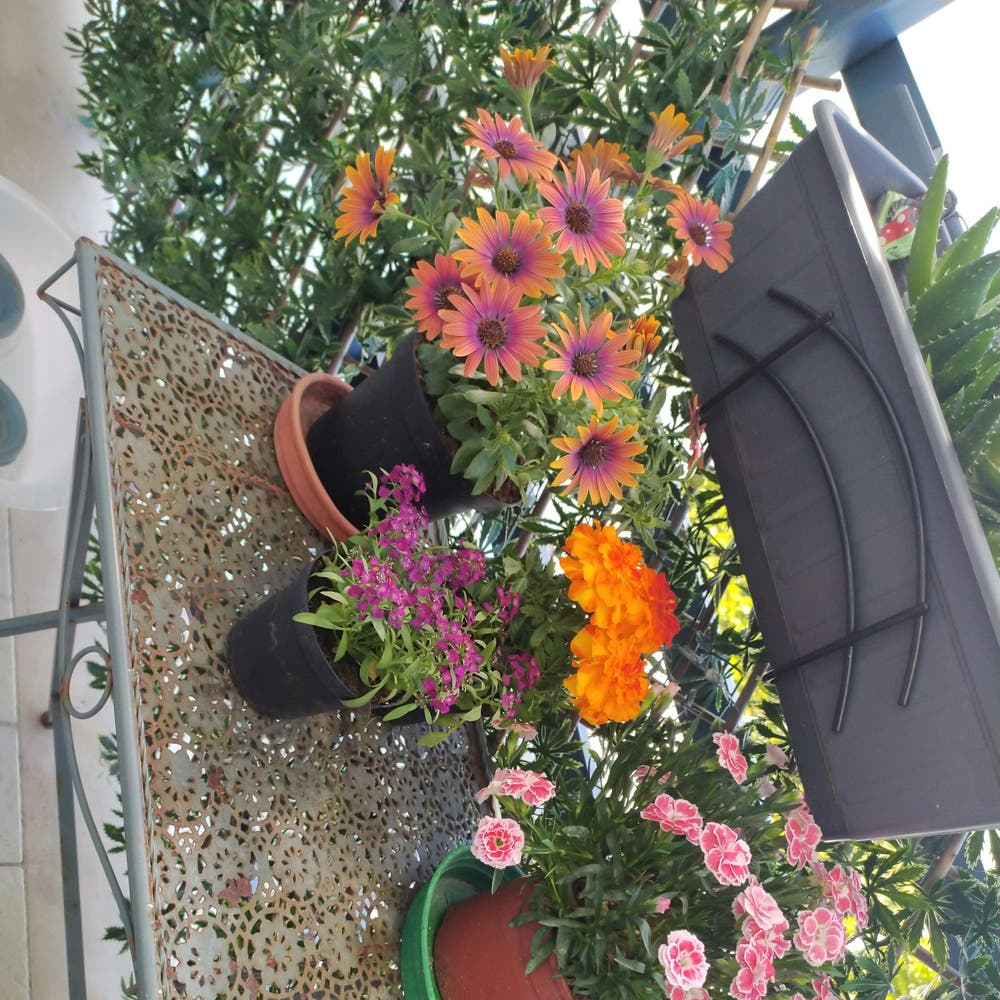
❄️ Snow Princess Alyssum is Not an Invasive Plant
Lobularia maritima 'Snow Princess'
By the Greg Editorial Team
Sep 28, 2024•4 min read
This article was created with the help of AI so we can cover more plants for you. May contain errors. See one? Report it here.
Elevate your garden with Snow Princess Alyssum 🌼, a beautiful, non-invasive choice that nurtures local ecosystems!
- 🌼 Snow Princess Alyssum is non-invasive, making it a safe garden choice.
- 🐝 Attracts pollinators like bees and butterflies, boosting local biodiversity.
- 🌱 Low-maintenance and drought-tolerant, it thrives with minimal care.
Plant Classification
Definition of Invasive Plants 🌱
Invasive plants are species that exhibit aggressive growth, allowing them to outcompete native flora. They can disrupt local ecosystems, leading to a decline in biodiversity and altering habitats.
Why Snow Princess Alyssum is Not Invasive ❄️
Snow Princess Alyssum stands out due to its limited self-seeding and controlled spread. Unlike invasive species, it displays less aggressive growth patterns and integrates well with local ecosystems, making it a garden-friendly choice.
Growth Habits
Typical Growth Patterns in Gardens 🌱
Snow Princess Alyssum typically grows to a height of 6-12 inches and spreads 12-24 inches wide. Its growth habit forms dense mats, providing excellent ground cover that effectively suppresses weeds.
Natural Limits to Growth and Spread Potential 🚫
This plant is not known for aggressive self-seeding, which helps limit its spread in gardens. It thrives best in well-drained soils and prefers full sun to partial shade, making it a versatile choice for various garden settings.
With its manageable growth and minimal self-seeding, Snow Princess Alyssum is an ideal option for gardeners looking to enhance their landscapes without the worry of invasiveness. Next, we’ll explore its ecological role and the benefits it brings to local wildlife.
Ecological Role
🐝 Benefits to Local Wildlife
Snow Princess Alyssum is a magnet for pollinators, attracting bees, butterflies, and beneficial insects. This not only enhances the beauty of your garden but also plays a crucial role in supporting local biodiversity.
🌱 Interaction with Other Plants
When planted alongside other species, Snow Princess Alyssum offers significant companion planting benefits. It enhances the growth of neighboring plants while contributing to soil health through its robust root systems.
🌍 Supporting Biodiversity
By fostering a diverse range of wildlife, Snow Princess Alyssum helps create a balanced ecosystem in your garden. This diversity is essential for maintaining healthy plant communities and promoting resilience against pests and diseases.
🌿 Enhancing Soil Health
The root systems of Snow Princess Alyssum improve soil structure and nutrient availability. This not only benefits the Alyssum itself but also supports the growth of surrounding plants, creating a thriving garden environment.
Incorporating Snow Princess Alyssum into your garden not only beautifies your space but also enriches the local ecosystem. As we explore garden management next, consider how to effectively integrate this remarkable plant into your designs.
Garden Management
Effective Incorporation into Garden Designs 🌼
Snow Princess Alyssum shines as an excellent ground cover option. Its low growth habit, typically reaching 6-12 inches in height, allows it to create dense mats that suppress weeds effectively.
When designing your garden, consider planting Snow Princess Alyssum in sunny spots or areas with partial shade. Pair it with taller plants to create visual interest and layers in your garden.
Ideal Companion Plants 🌿
For optimal aesthetic and ecological benefits, combine Snow Princess Alyssum with other non-invasive plants. Consider using:
- Lavender: Attracts pollinators and adds fragrance.
- Sedum: Drought-tolerant and complements the Alyssum's blooms.
- Coreopsis: Offers vibrant colors and supports beneficial insects.
These companions not only enhance the beauty of your garden but also promote a healthy ecosystem.
Maintenance Tips for Optimal Growth 🧑🌾
Once established, Snow Princess Alyssum requires moderate watering. This makes it a low-maintenance choice for busy gardeners.
For fertilization, keep it minimal. Focus on maintaining soil health rather than over-fertilizing, which can lead to excessive growth and reduced flowering.
Incorporating Snow Princess Alyssum into your garden design is a rewarding endeavor. Its beauty and ecological benefits make it a fantastic choice for any landscape.
Next, let’s explore how this lovely plant interacts with local wildlife and contributes to biodiversity.
Comparison to Other Plants
🌿 Similar Non-Invasive Plants for Comparison
When considering non-invasive ground cover options, a few alternatives stand out. Plants like creeping thyme and Irish moss offer similar aesthetic benefits without the risk of overwhelming local flora.
Creeping thyme thrives in well-drained soils and provides a fragrant carpet of green, while Irish moss creates a lush, soft texture. Both require moderate care, making them excellent companions for Snow Princess Alyssum.
✨ Unique Qualities of Snow Princess Alyssum
Snow Princess Alyssum shines with its drought-tolerant properties once established. This resilience means less frequent watering, making it a low-maintenance choice for busy gardeners.
Additionally, its extended blooming period brings vibrant color to gardens from spring through fall. This feature not only enhances visual appeal but also supports pollinators throughout the growing season.
📜 Legal and Environmental Considerations
Before planting, it's essential to check local regulations regarding non-invasive selections. Many areas encourage the use of native and non-invasive plants to promote ecological balance.
Choosing Snow Princess Alyssum contributes to sustainable landscaping. It supports local ecosystems, helping to maintain biodiversity and soil health, making it a responsible choice for any garden.
As you explore the benefits of Snow Princess Alyssum, consider how it fits into your garden's overall design and ecological impact. Next, let's delve into effective garden management strategies to ensure optimal growth and health.
⚠️ Safety First
This content is for general information and may contain errors, omissions, or outdated details. It is not medical, veterinary advice, or an endorsement of therapeutic claims.
Always consult a qualified healthcare professional before using any plant as food, medicine, or supplement.
Never eat any plant (or feed one to pets) without confirming its identity with at least two trusted sources.
If you suspect poisoning, call Poison Control (800) 222-1222, the Pet Poison Helpline (800) 213-6680, or your local emergency service immediately.
Spotted an error? Please report it here.
Transform your garden with the vibrant blooms of Snow Princess Alyssum 🌸, a non-invasive beauty that supports local wildlife, and let Greg guide you with tailored care tips for effortless success!